


KUALA LUMPUR – Malaysian athletes need better financial and commercial education to protect their earnings and careers, with sports analyst Datuk Christopher Raj urging the Youth and Sports Ministry (KBS) and National Sports Council (NSC) to introduce structured programmes for those turning professional.
Speaking to Scoop, Christopher, who is also chief executive officer of sports public relations and marketing agency Shekhinah PR, said many athletes lacked the knowledge to manage sponsorships, negotiate contracts and make sound financial decisions despite spending years developing their sporting careers.
He said financial literacy, sports marketing and legal awareness should form an essential part of an athlete’s transition from amateur to professional sport.
“In Malaysia, our athletes are not educated enough. They do not have sufficient knowledge about how sponsorships are managed or how the commercialisation of an athlete works.
“We do not have enough courses or seminars to guide athletes as they move from amateur to professional status,” he said.
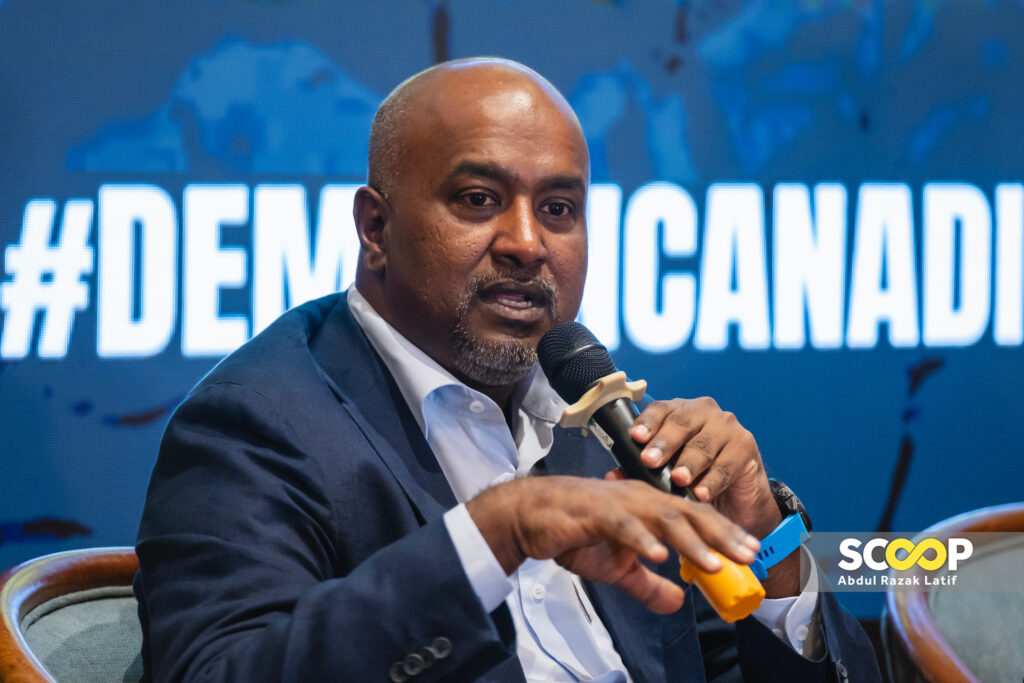
Christopher said athletes often devoted most of their time to training and competition, leaving them with limited opportunities to understand the commercial responsibilities that accompany a professional career.
He warned that without proper financial planning, athletes could struggle to manage their earnings, sponsorship agreements and long-term financial commitments.
“Financial management is a skill. It is one of the most important aspects of an athlete’s life,” he said.
To illustrate the importance of making informed financial decisions, Christopher cited a hypothetical example of an athlete spending a substantial portion of their first major earnings on luxury goods.
“If you earn US$100,000 in prize money and decide to buy a Louis Vuitton bag worth US$35,000, is that a smart financial investment or a stupid one?” he said.
The former Football Association of Malaysia (FAM) exco member also pointed to footballers who had experienced financial difficulties and were forced to sell medals, boots and jerseys, saying such cases highlighted the consequences of inadequate financial planning.
He said athletes needed a better understanding of sponsorships, marketing, commercialisation and financial management to protect their earnings throughout their careers.
Christopher added that professional athletes should consider engaging qualified experts to handle their business affairs, including sports lawyers to prepare and review contracts.
“Whether you are an amateur or a professional athlete, you need to set boundaries regarding who manages you,” he said.
He cited golf great Tiger Woods as an example of how an athlete’s management arrangements could evolve, noting that Woods was managed by his father before moving to International Management Group (IMG).
Christopher said family members could play an important role in managing young athletes, but stressed that trust, integrity and good governance were essential in any business arrangement.
“There is nothing wrong with family members managing an athlete’s business. This happens in America and many other parts of the world.
“However, the important issues are trust, integrity and governance,” he said.
He said athletes should also understand the legal and corporate structures underpinning their professional careers, including company ownership, shareholdings and the separation of personal and business finances.
Christopher acknowledged that athletes might find it difficult to manage these responsibilities while maintaining demanding training schedules.
“A lot of athletes do not understand these things. I do not blame them either because they train every day, from morning until evening. They are focused on winning their games,” he said.
He said professional management should also extend beyond financial matters, with athletes needing trusted individuals who could provide emotional support during difficult periods in their careers.
“Sometimes, it is not just about money. They might be feeling down and out and say, ‘Boss, do you have time for a coffee?’ They just want someone to talk to,” he said.
Christopher called on KBS and NSC to introduce dedicated programmes for athletes approaching professional status, covering financial planning, sports marketing, commercialisation and legal protection.
“They should organise programmes on the commercialisation of sports, sports marketing and legal frameworks for all athletes who are turning professional.
“There should be a module specifically for this so that athletes understand what they are getting into,” he said.
Christopher said such education would help athletes make informed decisions about their earnings and prepare for life beyond competition.
“When you earn big money, you should have proper financial planning for your life,” he said. – October 14, 2026