

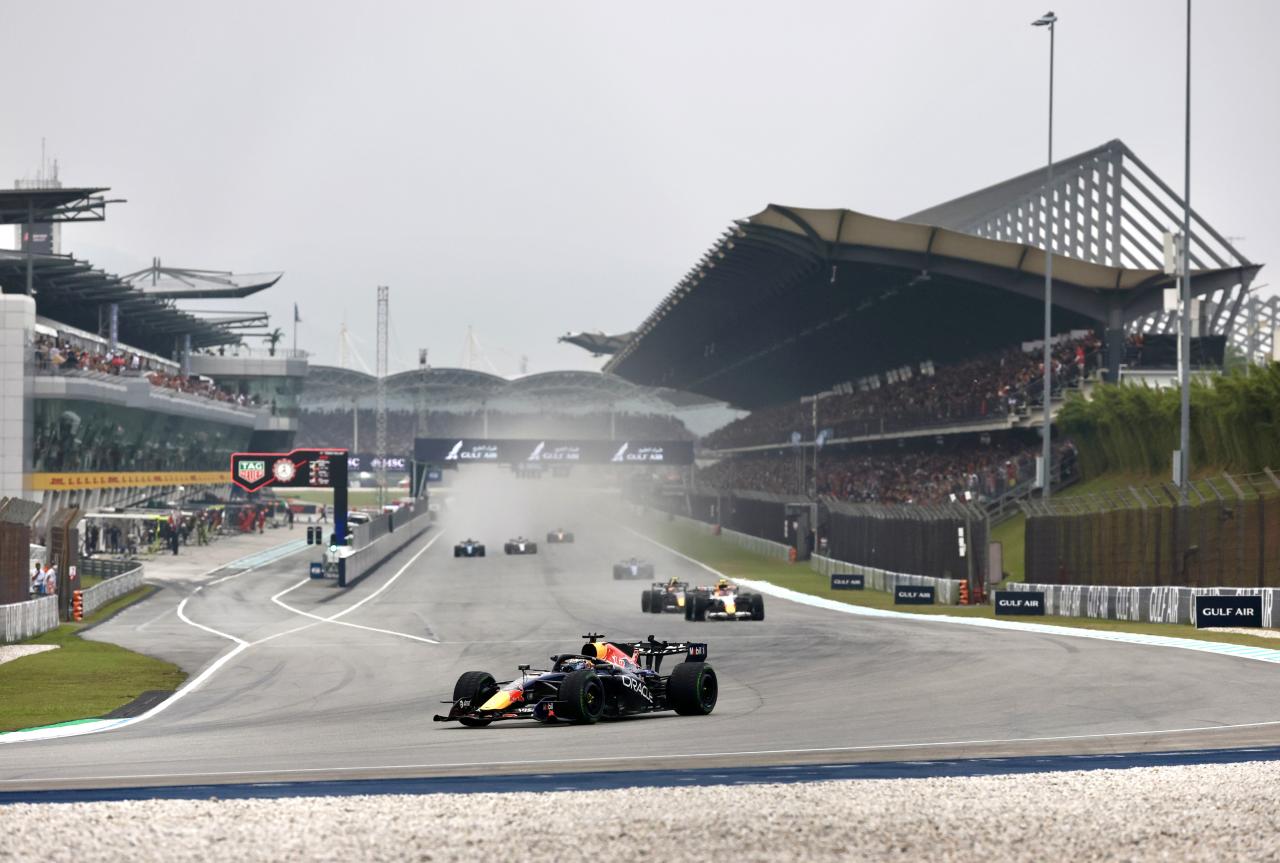
KUALA LUMPUR – The Formula 1 Gulf Air Bahrain Grand Prix held at the Sepang International Circuit (SIC) earlier this month generated an estimated RM950 million in economic impact, with the government now undertaking a cost-benefit assessment to determine the feasibility of hosting the championship regularly in Malaysia.
In a parliamentary written reply to MP Batang Sadong, Rodiyah Sapiee, the Youth and Sports Ministry said the assessment was being conducted by SIC together with an appointed consultancy firm following the race, which took place from October 2 to October 4.
“Based on information from Formula 1 Management (FOM), the hosting of this Formula 1 event generated an economic impact of nearly RM950 million for the country,” he said.
The assessment will examine the costs incurred in organising the event against the economic benefits generated, with its findings to serve as a basis for the government to consider whether Malaysia should host F1 again in the future.
The ministry added that the race attracted approximately 261,000 fans over the three-day weekend, including an estimated 103,000 on race day alone.
More than 97,000 tickets were sold, while over 50,000 international tourists and approximately 5,000 foreign workers came to Malaysia in conjunction with the event, according to the latest ticket sales report.
The championship was also broadcast worldwide, reaching an estimated global audience of 827 million viewers, further enhancing Malaysia’s international visibility as a destination for major sporting events and investment.
The ministry said the influx of international visitors had benefited the tourism, hospitality and aviation sectors, as well as local small and medium enterprises (SMEs).
It added that the event was made possible through close cooperation between SIC and Bahrain International Circuit (BIC), alongside support from the government and other stakeholders.
“The hosting model for this event was different, as Bahrain bore the cost of the hosting rights, allowing Malaysia to enjoy the economic benefits,” the ministry said.
The arrangement differs from a conventional hosting model, as Bahrain bore the cost of the hosting rights, allowing Malaysia to benefit economically from the event.
The ministry said the cost-benefit assessment would provide a clearer picture of the overall financial implications of the race and help inform future decisions on a potential return to regular F1 hosting.
“The findings of this cost-benefit assessment will serve as one of the considerations for the Government in determining the suitability of Malaysia potentially returning to hosting Formula 1 in the future,” it added.
Earlier, Datuk Seri Anwar Ibrahim said any move to bring Formula One (F1) racing back to Malaysia would require careful consideration, taking into account the national interest and the costs involved in hosting the prestigious motorsport event.
The Prime Minister said preliminary discussions on the possibility of hosting F1 had already begun, with further talks expected to be held with F1 president and chief executive officer Stefano Domenicali.
However, he stressed that the discussions remained at an early stage. – October 14, 2026