

KUALA LUMPUR – Athletes who can handle the pressure in tournaments are often the ones who emerge as champions, according to sports analyst Mohd Sadek Mustaffa.
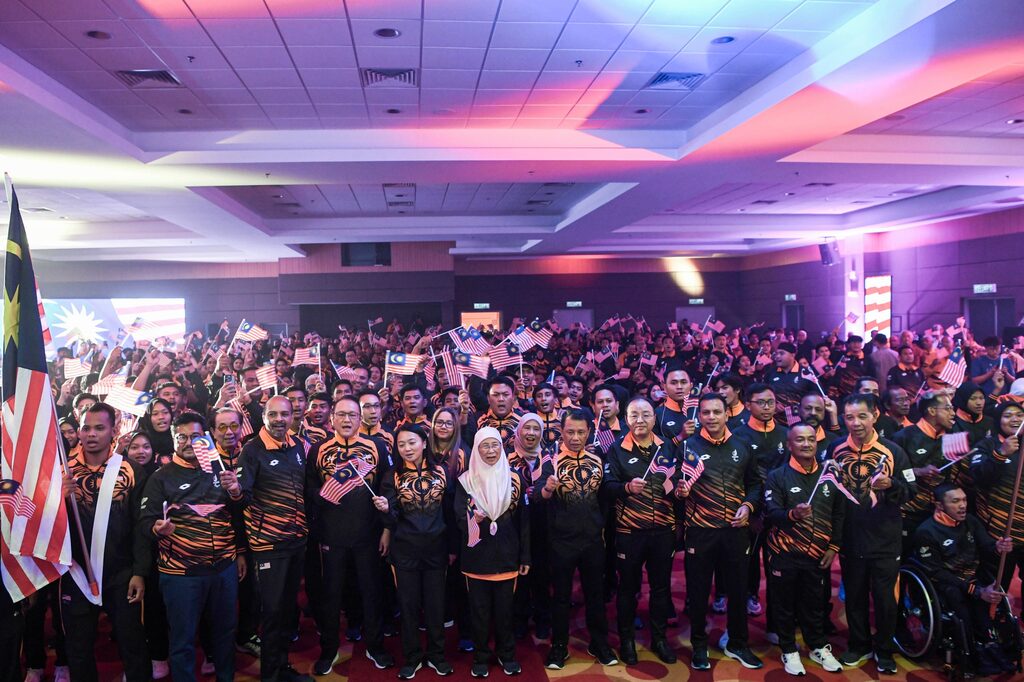
His comment comes after the Youth and Sports Ministry unveiled its target of securing 27 medals at the Hangzhou 2022 Asian Games, which are scheduled to take place from September 23 to October 8.
However, for the first time, there was no specific gold medal target by the national contingent.
During the official announcement, Jefri Ngadirin, the National Sports Council (NSC) athlete division director, explained that this decision was aimed at relieving athletes of the added pressure that comes with chasing a particular colour of medal.
Speaking to Scoop, Sadek has a different perspective on the issue.
“In high-performance sports, pressure is an inherent element, and successful athletes are those who can effectively manage it by understanding the nature of the pressure they face,” said the Universiti Teknologi Mara senior sports science lecturer.
Sadek also said that clinical psychology is important in sports, particularly in providing athletes with positive mental strategies to deal with competition-related stress.
“Yes, pressure can be good or bad, but it depends on how well the athletes manage the pressure in their sports.
“Advanced countries typically have clinical psychologist teams that study athletes’ brain reactions in their respective sports.
“This is still lacking in the Malaysian sports science team,” he added.
Sadek also has reservations about Malaysia drawing comparisons with countries like Australia and Japan, who did not specify their gold medal targets for the Tokyo 2020 Olympics.
“It is unfair when we compare to other countries with higher levels of achievement in the sporting arena, such as Australia and Japan.
“Malaysia’s sporting achievements are not on par with these nations. We are still behind some countries in terms of competitiveness and success in sports.
“But citing Japan and Australia as the best examples of this approach (not putting down a gold medal target) will only mask the existing shortcomings in the current performance of our national athletes,” he said.
Malaysia is following the trend of countries in the region like Indonesia, Singapore, Thailand, and the Philippines, who are refraining from specifying gold medal objectives for their athletes.
In the Jakarta-Palembang 2018 Asian Games, Malaysia secured 36 medals – seven gold, 13 silver, and 16 bronze – placing them 14th overall.
This year, Malaysia is expected to lose 12 of those medals in Hangzhou, due to the exclusion of several events from this year’s edition of the games.
The contingent is expected to win medals in diving, badminton, track cycling, equestrian, field hockey, karate, archery, athletics, sailing, sepak takraw, squash, wushu, and e-sports. – September 12, 2023