

KUALA LUMPUR — US tariffs on Chinese imports have put a spanner in the works for ByteDance to sell TikTok’s US operations, Reuters reports.
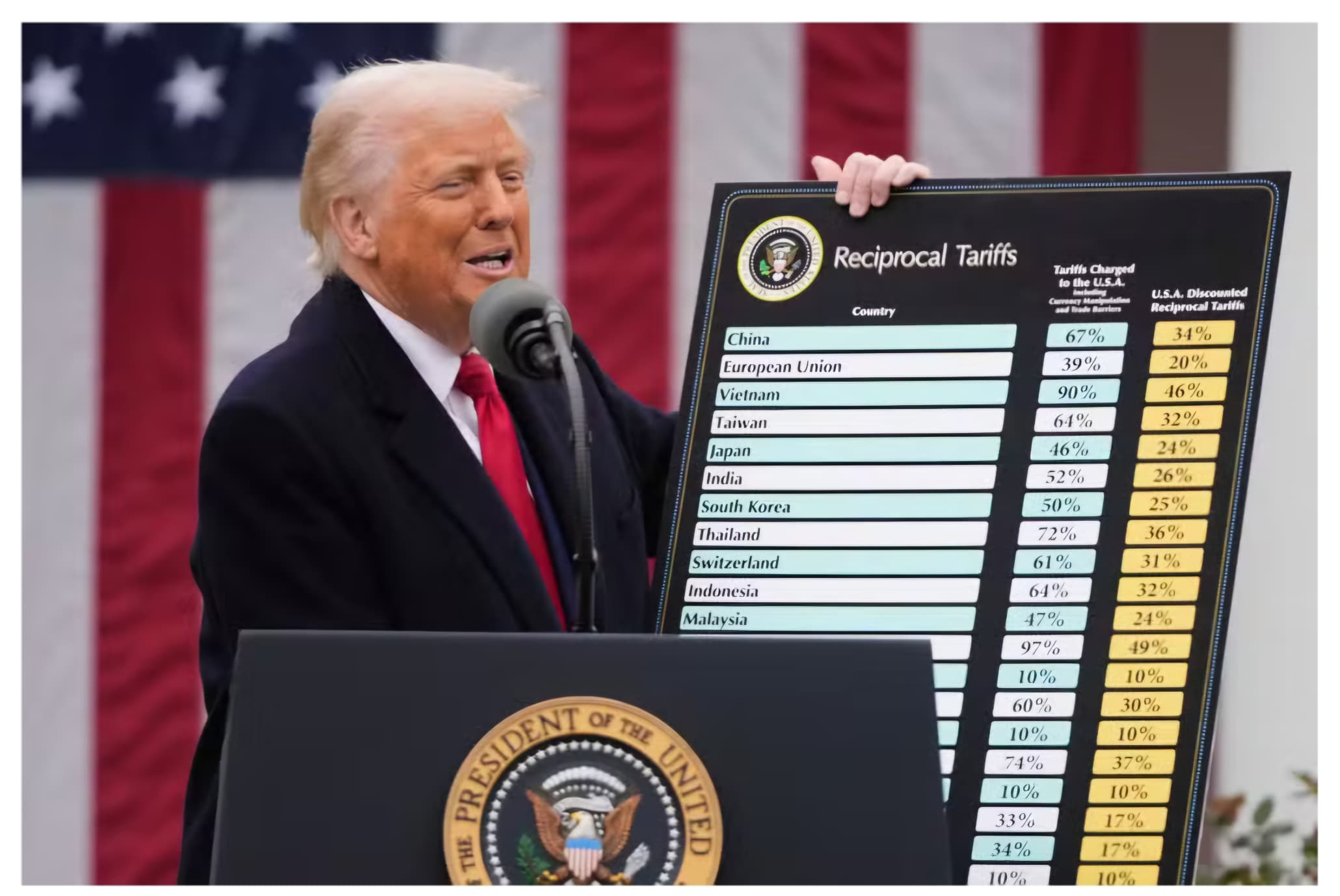
The newswire said that President Donald Trump’s announcement of sweeping tariffs on most of its trading partners on April 2, including total 54% on China, scuttled a deal that had been largely finalised.
It would have involved the sale of TikTok to a new US-based company with a majority stake held by US investors, while ByteDance would hold 20%, Reuters said citing sources.
However, after Trump’s announcement on tariffs, ByteDance on early Saturday said that “differences remained over the deal”.
The company in a statement on its official account on WeChat said it was still in talks with the US government, with no agreement reached, adding that the differences were on “many key issues”.
The 54% tariffs on China are a hike by 34% over existing tariffs imposed by the US.
In retaliation, China has announced additional 34% tariffs on American goods.
Trump yesterday signed a new executive order extending the deadline to ban TikTok in the US by another 75 days, stating that the US would continue working with China on agreement for the sale. – April 5, 2025