


KUALA LUMPUR – The recent football scandal, which revealed falsified documents, has brought the issue of stateless children in Malaysia into the spotlight. Advocates argue that while foreign-born players can quickly secure citizenship, thousands of children born and raised in Malaysia continue to be denied their basic rights.
Speaking on Scoop Insight, lawyer and child rights activist Sharmila Sekaran said the controversy has highlighted a “clear double standard” in how Malaysia determines who is granted citizenship.
“At first, I, and many others, saw the double standards and the lack of transparency in how people who are not actual citizens are able to acquire citizenship,” Sharmila said.
“We know what the processes are, but it’s unclear who gets citizenship, how, and why — especially when you consider all the work we’ve been doing for years for stateless children born right here.”
Sharmila emphasised that the issue stretches far beyond football.
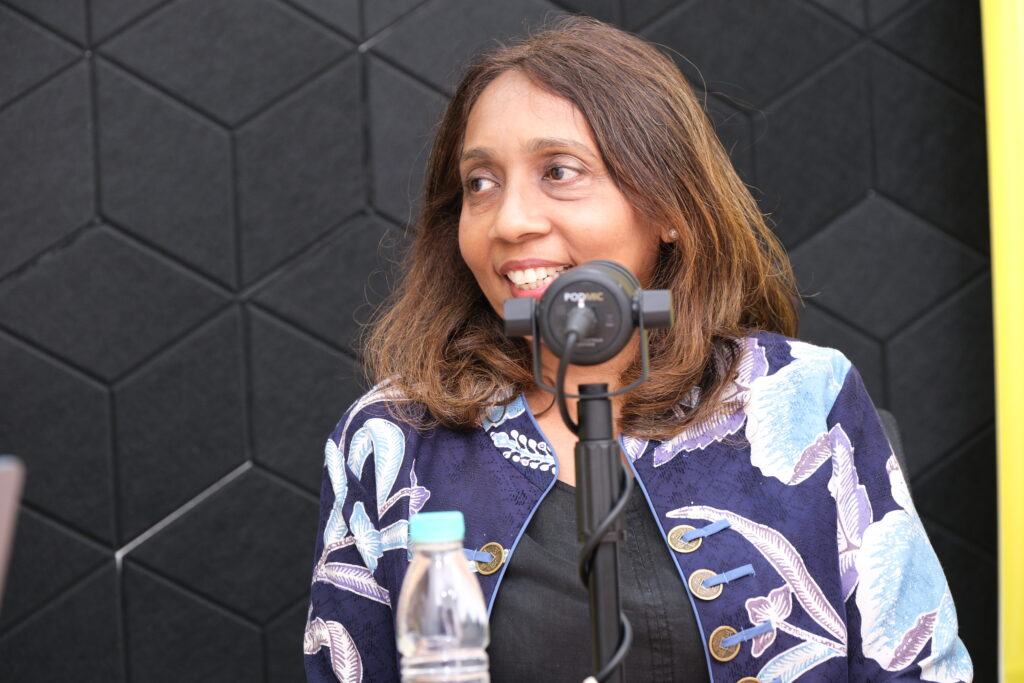
“Unlike these footballers who were born overseas, some of whom may not even speak the language, we have children born in Malaysia, to Malaysian parents, still denied their rights,” she added.
Seven players — foreign-born and fast-tracked for national duty — have been suspended by FIFA for falsified ancestry documents. For many Malaysians, the irony is stark: while footballers allegedly gain citizenship under questionable circumstances, thousands of stateless children struggle for decades to be recognised.
Wong Kukui, a 30-year-old citizenship reform campaigner who himself was stateless until two years ago, said the scandal has only deepened his frustration.
“This issue didn’t start with the current government. It existed since the BN era. But Pakatan Harapan used to be the loudest in fighting it,” Wong said. “Now they are in power — and they’re still preserving these outdated systems. I feel sad and angry.”
He recalled campaigning alongside Youth and Sports Minister Hannah Yeoh during the last general election, when she pledged to resolve the statelessness issue.
“But we look at the results today — it’s different. As Sharmila said, there are double standards and a lack of transparency.”
“Many stateless children have one Malaysian parent — it’s clear, it’s documented. Yet their applications are rejected. Meanwhile, players whose ancestral links are vague at best are granted citizenship overnight.”
Both Sharmila and Wong said the National Registration Department (NRD) makes the process unbearably difficult. Applicants are often denied forms, rejected without explanation, or forced to travel across the country just to collect documents — only to be told their paperwork is “incomplete.”
“People can’t even access the application form,” Sharmila explained.
“When they finally do, and the documents are not deemed ‘complete’, they’re told they can’t apply. There’s no clear SOP, no reason given — just rejection letters that say ‘permohonan ditolak’.”
Wong recounted a case where an NRD officer threatened to withdraw an applicant’s approval letter simply because his parents couldn’t come to Putrajaya due to illness.
“That’s wrong. They have no power to reject. Their job is to guide applicants — not make threats,” Wong said.
He added that even with a court order, NRD officers sometimes refuse to act.
“In my case, I had a court order for my IC, and they still wouldn’t issue it until I complained to the minister. That was with a court order. Imagine those who are only applying.”
Scoop’s news editor Azim Idris, who hosted the podcast, joked that Wong, who stands at 180cm, could easily have been a Harimau Malaya player himself. Sharmila agreed, noting the absurdity.
“Yes, he’s tall, articulate, speaks fluent BM — yet he spent most of his life stateless. Meanwhile, we hand out citizenship to others who can barely say ‘selamat pagi’.”
For Wong, it isn’t about height or talent.
“Before we question what contribution stateless people can make, we should ask what opportunities the government has given them,” he said.
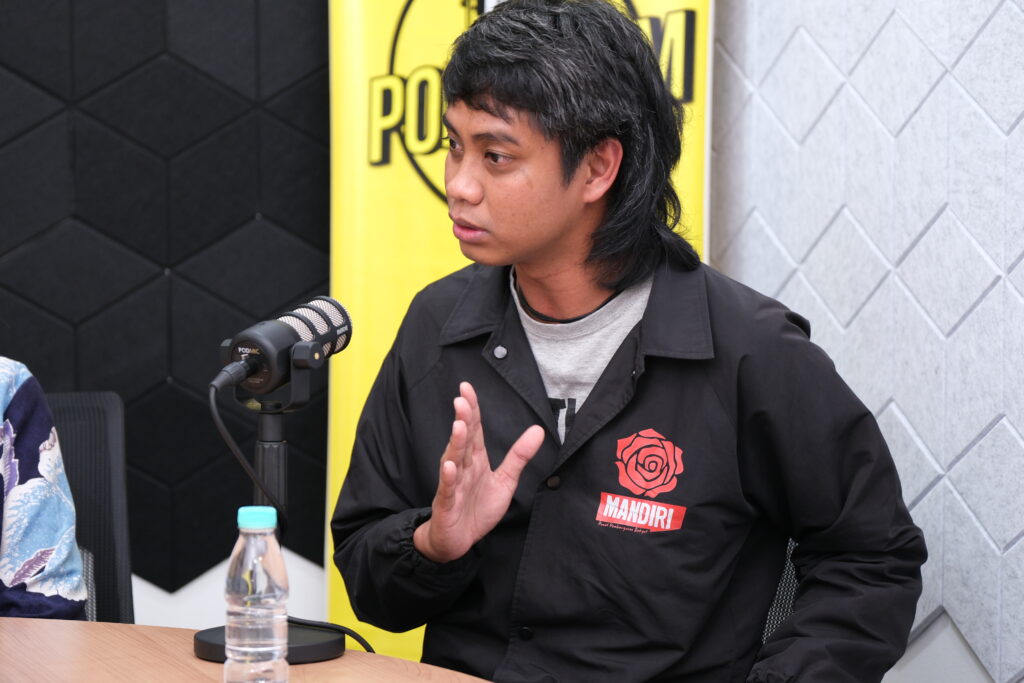
He shared how stateless students in Semporna cleaned up a tourist beach after rubbish complaints went viral online.
“The government didn’t do it. The students from an alternative school did. That’s contribution. That’s community spirit. But the government still denies them citizenship.”
Sharmila questioned what “contribution” really means.
“We talk about contribution when we justify citizenship for footballers. But how much are they contributing back to the country? Their salaries are personal gain. Meanwhile, stateless Malaysians could be doctors, engineers, or teachers if given the chance.”
“Are we the problem rather than them?” she asked. “If I don’t give someone an opportunity to contribute, how can I say they’re not contributing?”
Both speakers agreed that the problem lies in opaque systems and unaccountable bureaucracy.
“We lack transparency, and we lack humanity. We need a clear, humane SOP that gives everyone a fair chance,” Wong said.
Sharmila went further, saying the problem is too deeply rooted for minor fixes.
“The rot is so deep that only a complete dismantling and overhaul will work. Civil servants act with impunity — and when that happens, you know the system is broken.”
She warned that Malaysia risks becoming “a failing nation” if citizenship continues to be treated as a privilege for the few.
“We have lost potential — the next Einstein or Marie Curie could be among the stateless. Meanwhile, we’re granting citizenship to those who only offer goals, not nation-building.”
Wong ended the discussion with a simple plea: “Let’s give these children the chance to learn, to be safe, to dream. That’s how they’ll contribute — not by scoring for Malaysia, but by building it.” – October 13, 2025