

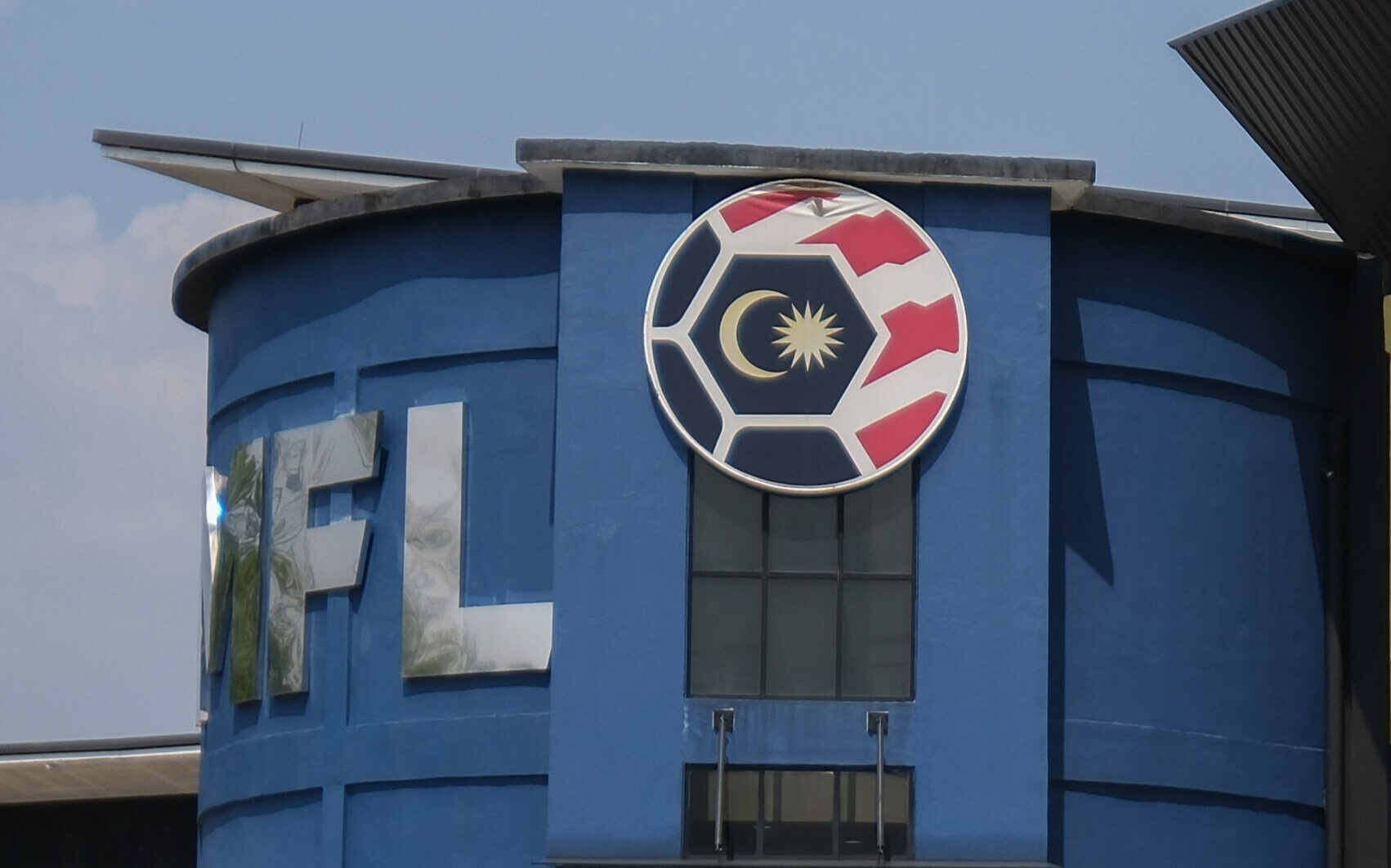

KUALA LUMPUR – The Malaysian Football League’s (MFL) approval of four national “heritage” players as local participants in the Malaysia League (M-League) has sparked widespread criticism online, with fans questioning the legitimacy of the decision.
The controversy centres on the status of Joao Figueiredo, Jon Irazabal, Hector Hevel and Gabriel Palmero, whose registrations as local players were approved by the MFL despite mounting claims online that their Malaysian citizenship may have been obtained using falsified documents.
In response to the backlash, the MFL said the decision was made strictly in accordance with the Liga M Competition Manual 2025–26.
In a statement, the league body explained that the matter falls under Competition Regulations Article 3: Registration and Transfer System for Officials and Players, which references the Football Association of Malaysia’s information management system MYPAS (FIFA Connect).
Under the regulation relating to local and foreign players, clubs are required to submit a coloured copy of a Malaysian identity card or passport when registering a player as a local.
The four players in question possess valid identity cards issued by the National Registration Department (JPN). However, critics on social media have alleged that the documents used to obtain those identity cards were falsified.
Many supporters have also argued that the MFL may not have fully adhered to its own regulations under the Liga M Competition Manual.
According to the competition rules, any player who acquires Malaysian citizenship through naturalisation and wishes to register as a Malaysian player must comply with the Regulations on the Status and Transfer of Players set by FIFA.
Speaking to Scoop, senior sports analyst Datuk Pekan Ramli said the growing public anger reflects deep concerns about the integrity of the national football system and cannot simply be brushed aside.
He said if it is proven that the citizenship status of the players was obtained through falsified documents, decisive action must be taken.
“I support the voice of the people. If the majority of Malaysians are demanding that the citizenship of the seven players be revoked or withdrawn, then I agree because there is clear justification for it,” he said.
“The citizenship status was obtained through falsified documents and purely for matters related to football. If the Court of Arbitration for Sport (CAS) and FIFA have already confirmed that the documents are false, then every process related to the issuance of the identity cards and passports should automatically be void.”
Pekan questioned why authorities would continue defending the decision if international football bodies had already ruled against the validity of the documents.
“If CAS and FIFA have already decided that it is not valid, why are we still trying to defend this mistake?” he asked.
“The simplest solution is to revoke or withdraw the citizenship. That alone could calm the anger currently exploding across social media.”
He also suggested that the players themselves could take responsibility for the situation.
“Alternatively, we should urge the seven players involved to voluntarily surrender their identity cards and passports and cancel the Malaysian citizenship they received,” he said.
“Aren’t they ashamed to continue holding a citizenship status that was obtained through unlawful means?”
Pekan, who is also a senior lecturer at the Faculty of Sports Science and Recreation at Universiti Teknologi MARA (UiTM), added that the controversy has once again exposed deeper concerns about governance, transparency and credibility within Malaysian football administration.
“If this issue is not handled decisively, the damage will go far beyond a registration dispute – it will further erode public trust in the institutions responsible for managing Malaysian football,” he said. – March 15, 2026