

KUALA LUMPUR — Malaysia needs a stronger push in green finance, innovation capacity and cross-sector participation if it is to fully benefit from the global transition towards sustainability and avoid mounting climate-related economic losses, the World Bank said.
In its latest Country Climate and Development Report, the bank said Malaysia’s green transition is being held back by structural constraints, including low research and development spending, workforce skills mismatches and limited collaboration between industry and academia, all of which risk slowing innovation at a critical stage of the transition.
It added that while policy frameworks and fiscal incentives have been introduced, private sector investment remains relatively cautious, and broader innovation ecosystems are still in the process of maturing.
“While Malaysia has introduced green policies and fiscal tools, domestic private sector investment remains cautious, and innovation ecosystems are still developing.
“To drive this transformation further, Malaysia should also invest in sustainability-linked services and knowledge-based sectors,” it said.
The World Bank highlighted that global demand is increasingly shifting towards activities underpinned by strong environmental, social and governance (ESG) standards, opening up growth opportunities in areas such as green finance, climate risk analytics, sustainable certification and environmental auditing.
It noted that Malaysia is relatively well placed to capture these opportunities due to its established financial sector, strong digital infrastructure and multilingual workforce, which together form a competitive base for higher-value services.
“Building capabilities in these high-value services will diversify exports and embed sustainability across supply chains,” it said, adding that industrialised states such as Penang and Selangor could emerge as regional green industrial hubs attracting investment, technology and skilled talent.
At the same time, the report stressed that the transition must be broad-based, warning that without deliberate inclusion, rural and smaller states risk being left behind. It said these regions should be supported to participate in low-carbon growth through sectors such as green agro-processing, circular economy activities and eco-tourism.
It added that strengthening small and medium enterprises, building regional innovation hubs and empowering local governance structures would be essential to ensuring the green transition delivers inclusive and resilient growth rather than widening regional disparities.
On climate risks, the World Bank warned that Malaysia faces significant long-term economic exposure, with climate change projected to reduce gross domestic product by up to 8.3 per cent by 2050 under a worst-case scenario, and potentially more under extreme conditions.
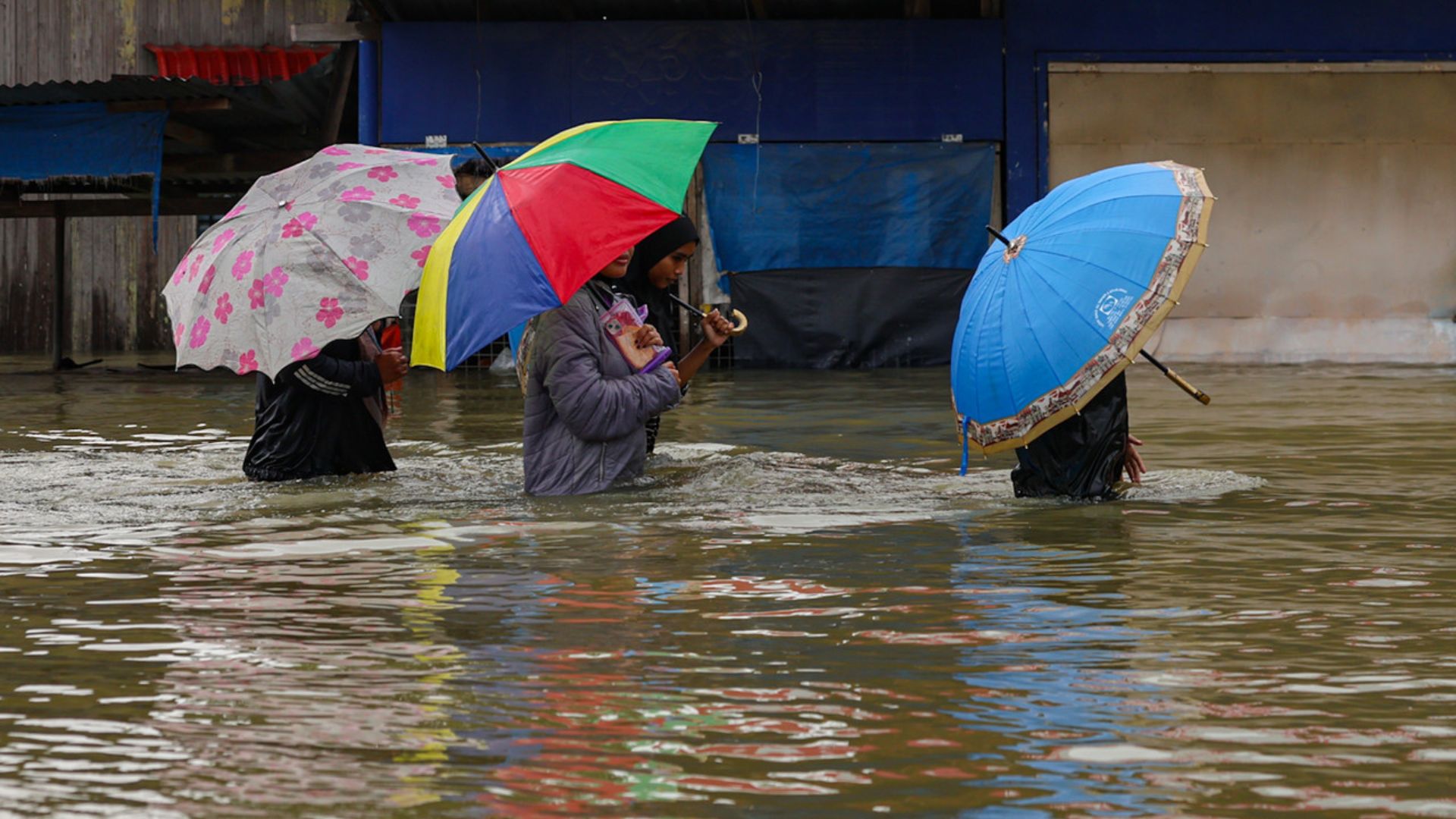
It said about half of these projected economic losses have already materialised in the form of lower output, driven largely by crop losses, flooding events and heat-related declines in labour productivity.
Agriculture remains one of the most exposed sectors, with production value potentially declining by as much as 18 per cent by mid-century. The bank said these impacts would not remain confined to farming alone but would cascade across the wider economy, affecting employment, supply chains, health outcomes and overall economic resilience.
“If a one-in-20-year flood were to hit following an extended heatwave, GDP losses could exceed 20 per cent in a single year, making climate resilience an economic imperative,” it said.
Despite the scale of risk, the World Bank said there is significant room to reduce losses through adaptation measures, which could offset up to half of the projected economic impact. It identified heat stress as a key vulnerability, noting that improving workplace cooling alone could have a meaningful productivity impact.
Raising air-conditioning coverage in workplaces from 42 per cent to 75 per cent by 2050, for example, could help preserve labour productivity at a relatively modest estimated cost of US$40 million per year.
However, it stressed that such measures must be part of a broader policy shift. “Climate-resilient land use plans could reduce flood and landslide risks, while climate-smart agriculture and integrated water resource management would help to sustain food and water security,” it added. — May 4, 2026