

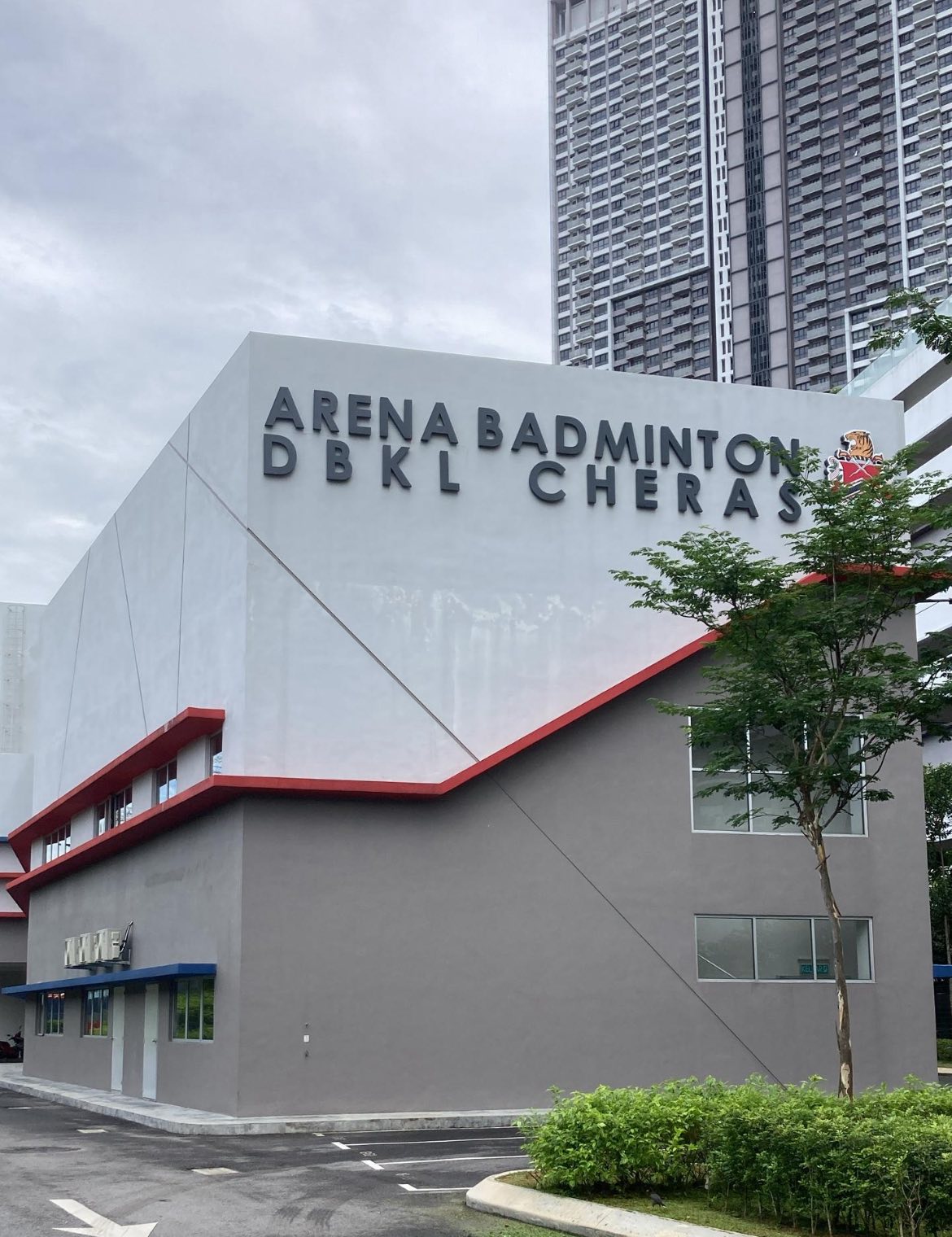

KUALA LUMPUR — A four-year delay in securing control of the Cheras Badminton Arena is hampering grassroots development of the sport in the capital, the Kuala Lumpur Badminton Association (KLBA) said.
KLBA president Datuk Seri Dr Jahaberdeen Mohamed Yunoos said the association is seeking meetings with Federal Territories Minister Hannah Yeoh and Kuala Lumpur Mayor Datuk Seri Fadlun Mak Ujud in a renewed effort to resolve the long-standing issue.
The absence of a permanent home venue for KLBA has become one of its biggest challenges, affecting not only player development but also the association’s ability to generate sustainable income to fund its programmes, he said after KLBA’s annual general meeting yesterday.
Malaysia cannot aspire to return to the pinnacle of world badminton if state associations continue to operate without adequate facilities, he added.
“We have been waiting for four years, yet there has still been no positive outcome regarding the handover of the arena to KLBA.
“If all stakeholders are genuinely serious about seeing Malaysian badminton return to the highest level, then greater attention must be given to grassroots development, including providing state associations with the infrastructure they need.
“Without that support, we are merely deceiving ourselves into believing progress is being made,” said Jahaberdeen who retained the KLBA presidency unopposed for the 2026–2030 term yesterday.
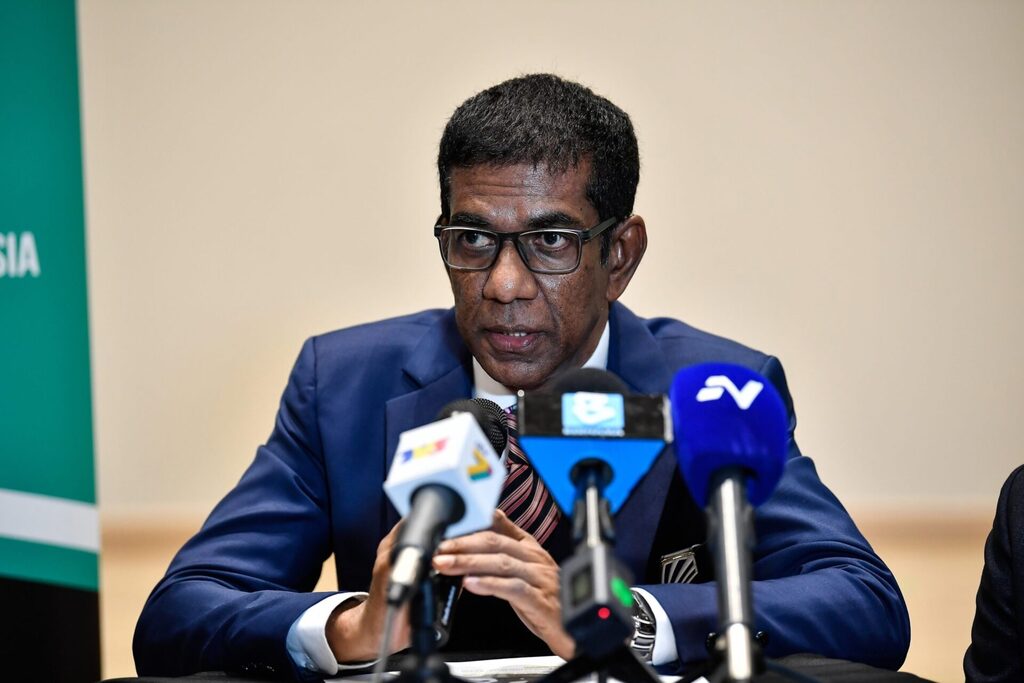
Jahaberdeen said the association has been forced to rely on partnerships with 28 private badminton clubs across Kuala Lumpur to train its players, while also renting courts to conduct centralised training sessions and development programmes.
He noted that this arrangement remains necessary despite the Cheras Badminton Arena having been completed several years ago, as the facility has yet to be formally handed over to KLBA.
“The lack of a dedicated facility limits what we can do. Having our own arena would allow us to organise programmes more effectively, host tournaments, generate revenue and create a proper environment for athlete development.
“At the moment, we are dependent on the goodwill and cooperation of private clubs. We are grateful for their support, but a state association should ideally have its own home base,” he said.
The RM20 million Cheras Badminton Arena was completed by a private developer for Kuala Lumpur City Hall (DBKL) to replace the Kuala Lumpur Badminton Stadium which was torn down in 2017 for a condominium project.
KLBA has maintained that it was originally given the impression it would eventually operate the facility as its permanent home. However, despite years of discussions, the association has yet to receive formal control of the venue, which remains under DBKL’s jurisdiction.
Jahaberdeen admitted there may be specific obstacles he was unaware of that prevented the handover but expressed hope that discussions with the relevant authorities could finally move the matter forward.
Jahaberdeen admitted he was unaware of the specific obstacles preventing the handover but expressed hope that discussions with the relevant authorities could finally move the matter forward.
“I am not sure what the challenges are from Kuala Lumpur City Hall’s (DBKL) perspective. We have yet to meet the new mayor, but we hope to do so soon.
“We are also looking to meet Hannah, although ultimately this involves an asset under the jurisdiction of DBKL,” he said.
Despite the infrastructure setback, Jahaberdeen said KLBA’s newly elected leadership team remains committed to strengthening grassroots development and broadening the talent pipeline in the capital.
He revealed that the association is preparing to launch its flagship development initiative, Jejak Juara Baharu 2030, which aims to identify and nurture promising young players while creating a more structured pathway towards elite competition.
KLBA is also planning to deepen its collaboration with private badminton clubs by adapting elements of successful development models used in badminton powerhouses such as Japan and Indonesia.
In a move designed to ensure broader stakeholder representation, Jahaberdeen said KLBA will, for the first time, include a parents’ representative in its executive committee.
“We want to hear directly from parents because they are an important part of the development ecosystem.
“Their feedback can help us understand the challenges faced by players and families and allow us to make better decisions for the future of badminton in Kuala Lumpur,” he said.
The inclusion of parents in the association’s leadership structure forms part of KLBA’s wider efforts to create a more inclusive and collaborative approach to developing the sport at grassroots level. – June 1, 2026