

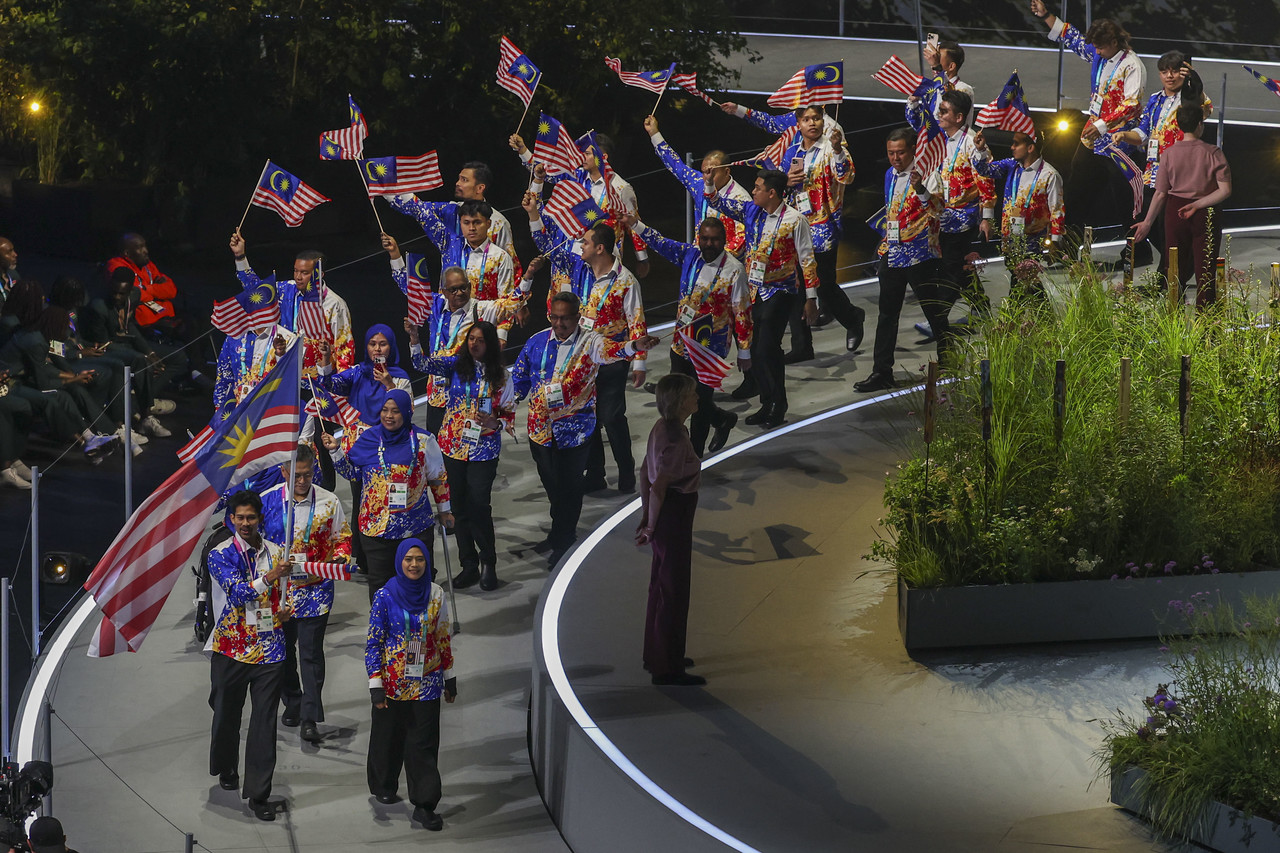
KUALA LUMPUR – Malaysia’s sporting establishment has come under renewed scrutiny after non-essential officials were seen marching alongside athletes during the Parade of Nations at the Commonwealth Games opening ceremony in Glasgow, prompting allegations of a growing culture of privilege that risks eroding one of the greatest honours an athlete can earn.
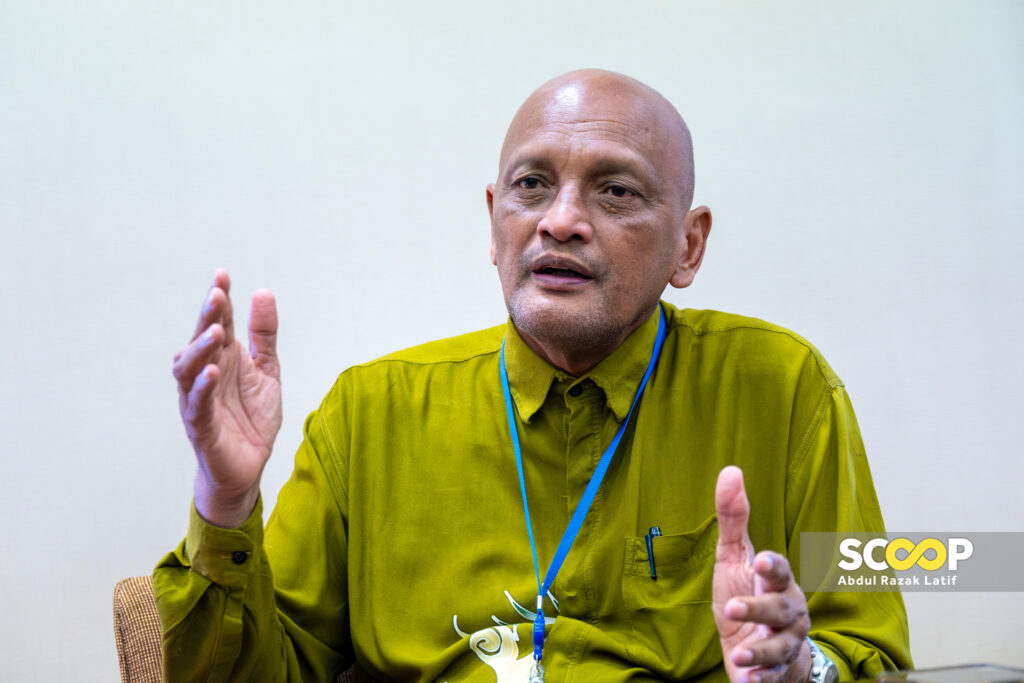
Senior sports analyst Datuk Dr Pekan Ramli said the issue went far beyond ceremonial protocol, describing it as a reflection of weak governance, poor planning and a sporting culture that risks placing administrators on the same pedestal as athletes who have spent years earning the right to represent the country.
Speaking to Scoop, Pekan said he had covered the Olympic Games, Commonwealth Games, Asian Games, SEA Games, Universiade and several other multi-sport events during his career as a sports journalist, yet had never encountered such a situation.
“To my knowledge, not every category of official, support staff or driver is allowed to participate in the Parade of Nations. The parade is usually reserved for athletes and a small number of official delegates determined by the organisers.
“I am not sure why our national contingent is in such a state of disarray. This is not just another sporting event.
“Whatever the reason, it is inappropriate for non-technical officials, media officers or drivers to wear the official contingent attire and participate in the opening ceremony parade. It undermines the exclusive privilege of athletes and officials who have earned their place on merit,” he said.
Pekan’s remarks came after photographs shared on the Olympic Council of Malaysia’s (OCM) official social media platforms showed several non-athlete personnel, including media officers and support staff, joining Malaysia’s contingent during the Parade of Nations at the opening ceremony in Glasgow yesterday.
This has raised questions on why individuals who were neither athletes nor technical officials had been allowed to take part in a ceremony traditionally regarded as an exclusive honour reserved for those representing their country.
For Pekan, however, the controversy extends well beyond who marched in Glasgow.
“It creates negative perceptions about contingent governance, possible abuse of authority, the integrity of officials and the contingent, as well as unnecessary increases in costs.”
The Universiti Teknologi MARA (UiTM) Faculty of Sports Science and Recreation senior lecturer also rejected claims that additional officials had been included because too few athletes were available to participate.
“The excuse that there were not enough athletes is unacceptable because it reflects weaknesses in management planning and creates perceptions of favouritism within the contingent.
“Even if that were true, it would still demonstrate shortcomings in the administration’s planning, particularly its failure to coordinate athletes’ travel schedules and logistics effectively.
“Alternatively, it may reflect a culture of privilege and favouritism, where elite athletes are excused from the parade while individuals who did not qualify are allowed to take their place.”
Pekan said the episode pointed to deeper governance issues within Malaysian sport.
“To me, all this reflects systemic weaknesses and a deterioration of integrity that is affecting our national sporting landscape.”
He said the OCM and National Sports Council (NSC) should introduce stricter guidelines to ensure opening ceremonies remain centred on athletes rather than becoming opportunities for unnecessary officials.
“The national contingent should have clear guidelines that place athletes at the heart of the parade, without participation from individuals who have no relevant role.
“Such guidelines would also prevent excessive numbers of officials and protect the country’s image from allegations of bringing delegates who serve no direct function.”
However, senior sports analyst and UiTM sports science lecturer Sadek Mustaffa urged caution against viewing the issue solely through the lens of privilege, saying logistical realities often determine who participates in opening ceremonies.
Sadek said athletes and coaches remained the most important members of any contingent, but explained that many athletes were unable to take part because of competition schedules and accommodation arrangements.
“There are valid reasons why this happens, especially when athletes are scheduled to compete the following day.
“Another factor is that contingents are allocated limited accommodation in the Games Village based on competition schedules. As a result, many athletes only arrive two days before their events.
“This is common practice at multi-sport Games, where only selected athletes and officials participate in either the opening or closing ceremony.”
He stressed that the OCM manages athlete and official numbers according to quotas set by organisers and maintained that no special privileges were officially granted.
“The OCM manages the number of athletes and officials according to the ratio and quota determined by the organisers. Therefore, there is no special privilege involved.
“If additional officials attend, they are usually funded by their respective national sports associations or pay their own expenses.”
Nevertheless, the controversy has reignited questions over whether ceremonial privileges at major Games have gradually become more accessible to officials than they should be, at a time when Putrajaya has repeatedly urged sports bodies to spend public funds prudently, strengthen governance and place athletes at the centre of every decision.
For critics, the issue is no longer simply about who marched in Glasgow.
It is about whether one of international sport’s most symbolic honours earned through years of sacrifice and achievement is gradually losing its exclusivity to a culture in which administrative privilege is perceived to carry the same weight as sporting merit.
Malaysia has fielded a 59-member contingent at the Commonwealth Games in Glasgow and is targeting five gold, two silver and four bronze medals. The Games began yesterday and will conclude on Aug 2. – July 24, 2026