


CYBERJAYA – Malaysia is exploring satellite-powered mobile connectivity that could eliminate the need for traditional telecommunications towers in underserved areas, following Starlink’s proposal to introduce its direct-to-device (D2D) and direct-to-cell technology.
Communications Minister Datuk Seri Fahmi Fadzil said the Malaysian Communications and Multimedia Commission (MCMC) has been tasked with engaging local telecommunications providers to assess the feasibility of deploying the satellite-based service, which could significantly expand internet access to areas beyond the reach of conventional mobile infrastructure.
He revealed that Starlink representatives met him several days ago to present plans for a trial of the technology in Malaysia.
“Starlink representatives informed me of their intention to conduct a trial of their direct-to-device or direct-to-cell service in Malaysia.
“This represents a significant technological leap, as it enables internet connectivity to be delivered via satellite to locations where there are no telecommunications towers,” he said.
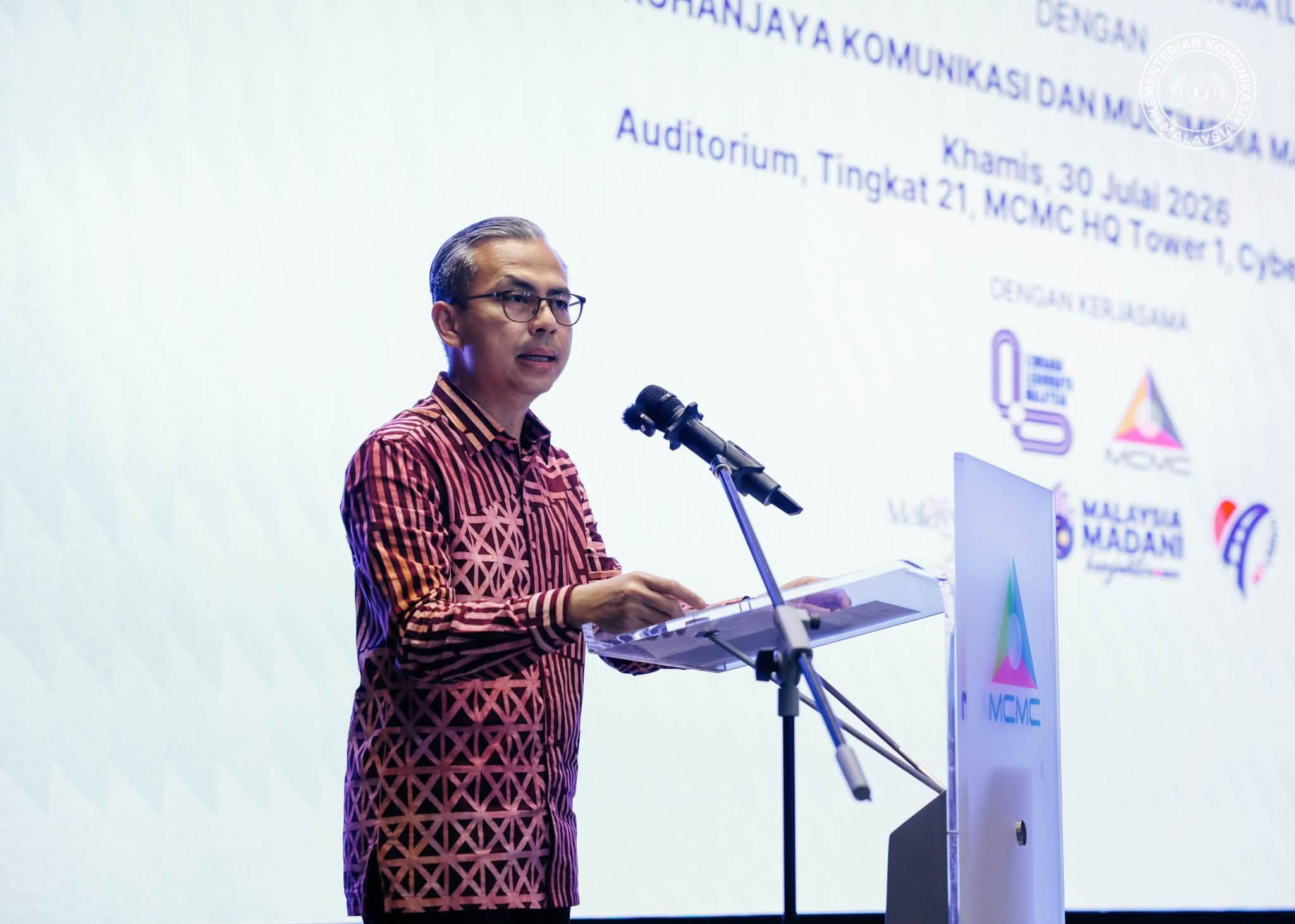
Fahmi was speaking at the memorandum of understanding (MoU) exchange ceremony between MCMC and the Malaysian Highway Authority (LLM) at the MCMC Auditorium in Cyberjaya today.
Following the proposal, Fahmi said he has instructed MCMC to convene discussions between Starlink and local telecommunications companies to explore the technology’s potential deployment in Malaysia.
He said the initiative could offer a faster and more cost-effective alternative to building new telecommunications towers, particularly in sparsely populated areas where such infrastructure may not be commercially viable.
“I have asked MCMC to bring together telecommunications companies so that we can collectively explore a future with better connectivity that is not solely dependent on telecommunications towers.
“Constructing a new tower can take between 18 and 24 months, provided all land-related matters are resolved smoothly. That is why we need to consider faster and more cost-effective solutions,” he said.
Fahmi added that satellite-based connectivity could help close coverage gaps in rural, remote and underserved areas, giving more Malaysians access to reliable internet services.
He said that if the trial proves successful, the technology could further strengthen the government’s efforts to improve communications coverage nationwide, including along highways and in hard-to-reach communities. – July 30, 2026