

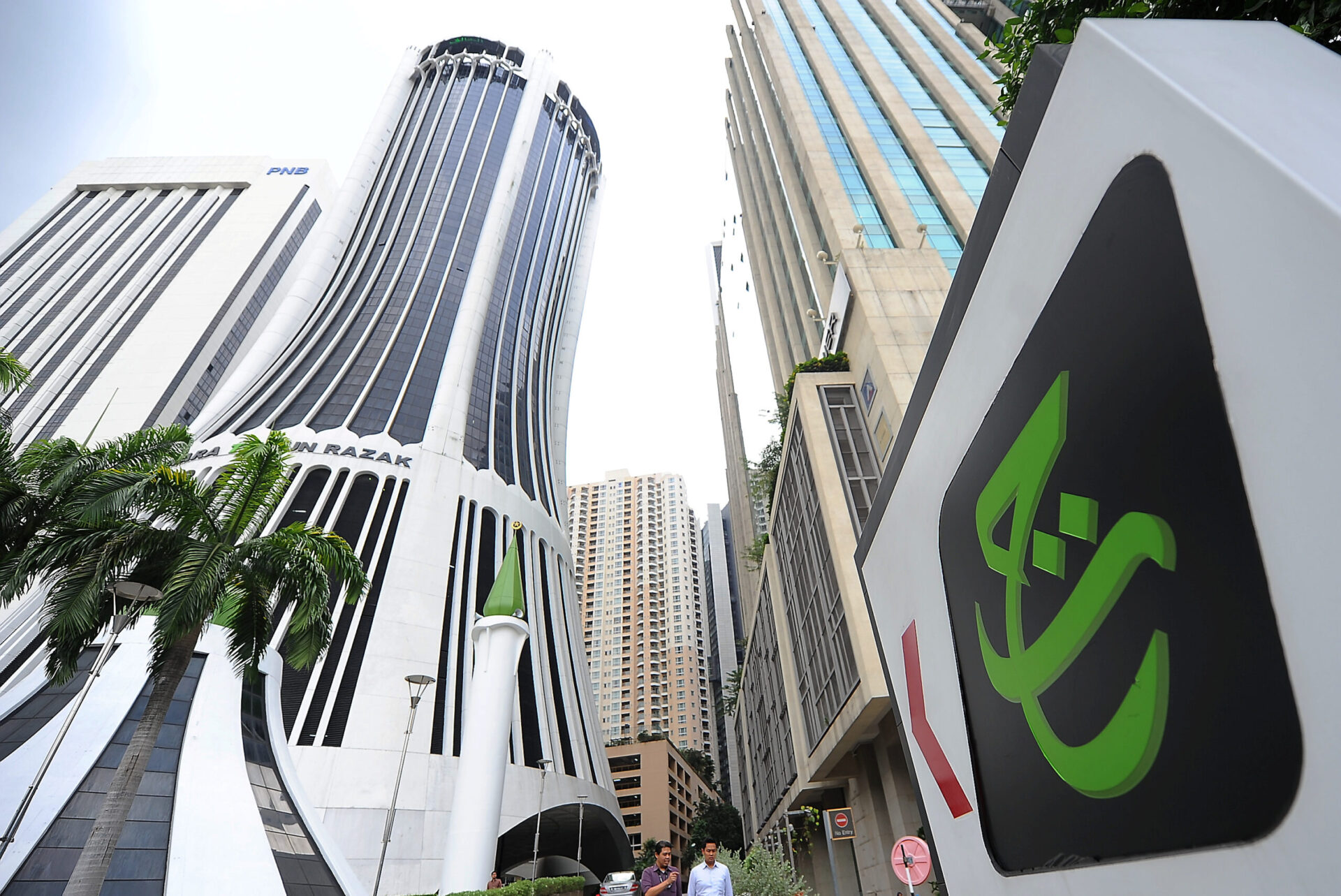
THE Royal Commission of Inquiry (RCI) report on Lembaga Tabung Haji (TH) is obviously worrying. It covered the 2014 to 2020 troubled period for TH and its conclusion has been an indictment of an underwhelming governing environment as well as the general failure in the ability to manage its business affairs.
It surely confirms incompetency and mismanagement, as well as hinting that some hanky panky had gone on.
It is a damning report that raises many questions on the much-cherished institution among Muslims in the country. Losses after losses in ventures and investments were detailed and a seemingly unserious response to a dire situation as the management pursued yet another misadventure, one after another.
It surely is not a great record to have and surely could chip off some of the millions of depositors’ confidence. The good news is that the current management has said that most of the weaknesses highlighted in the RCI have been addressed and TH is taking heed of the issues surrounding its investments and operation and it is now mending its ways.
The RCI report was supposed to be campaign fodder when it was released during the height of the recent Negri Sembilan elections, but its effect on the outcome of the polls is debatable. Some of the parties in the current federal coalition that was instrumental in the release of the three-year-old report did not do as well in the state poll.
It was made public with the belief that it could hurt Umno/Barisan Nasional which was in power and had oversight over TH during 2014 – 2018, a much financially-troubled period for TH.
The RCI, which was commissioned in July 2021, was completed in a year and extended another year with additional tasks. It was to investigate issues and matters on governance, financial disclosure as well as an instance of high bonus payouts. Its scope was expanded to 2022 to evaluate the recovery process including asset restructuring and the rehabilitative steps taken under TH’s new management.
The RCI report has pointed to management and governance issues of TH and its subsidiaries, and it also called out business deals that failed and suggested that in some instances TH seemed to have been taken for a ride by business partners.
The setting up of TH has always been credited to the late economist and academician Ungku Abdul Aziz who noted that while Muslims were obligated to perform the haj in Mecca, not many of them in Malaysia were able to do so because of economic constraints.
TH functions like a cooperative, it collects deposits and allows depositors’ funds to grow through savings as well as returns from TH collective investments. The savings and annual dividends would gradually add up over the years, and would go a long way to getting them to Mecca.
Over the years, TH collected billions from would-be pilgrims and as a result there was a need to see how best the growing fund could be invested. It also needed to invest them so that it could subsidise the haj in an environment of ever rising cost of the pilgrimage.
As a result the Tabung Haji Act, 1995, was enacted to allow TH to be an investor and be able to enter into joint-ventures or invest in listed companies. All of these must be approved by the minister in charge of religious affairs, which is presumably the start of the TH long list of problems.
This should have been a red flag as a politician appointed to be the minister in charge of religion is more likely to be someone with little or no credential and experience in business and investment. As a politician he is also likely to be driven by politics rather than business consideration.
Similarly, the composition of the board or management may not be reflective of the expanded role and responsibility of TH as an influential institutional investor with a sizable fund. For instance, at the moment TH is managing more than RM90 billion largely from its over 9.5 million depositors.
Much malign, assumptions and suppositions follow the report and it is causing much distress and worry for the Muslim community that put its wholesale trust in TH. Why would anyone do such a thing to TH to be an institution that is created with the noblest of intentions?
It must be noted that TH has always undertaken its main function, which is to facilitate Muslims to haj, well. Since its inception in 1964, when it facilitated 159 pilgrims, TH has now assisted over 1.4 million Malaysian Muslims to haj. In fact it is recognised as one of the best such institutions in the world.
For almost 20 years, too, it has been subsidising the haj cost for pilgrims most from profits of its business dealings and investments.
For instance, the total cost of haj has gone up drastically over the last few year. From hundreds of ringgit via ship liner in the 1960s, the cost per pilgrim is now about RM33,000 but most pilgrims pay only RM15,000.
TH as an enabler of haj it is a qualified success, but as an investor and a business entity, especially for the period reviewed by the RCI, it is not.
There is now a need to restore confidence in TH. There is a need to establish responsibility and accountability, since public money is being used to fix things there. If indeed corruption was involved, then action must be taken.
Regardless, even in the bleakest of time, we should look out for some silver lining, lest all of that have been for naught. The RCI offers ample lessons not just for TH, but for all institutions and companies especially where public money, assets and trust are involved. – August 13, 2026