



KUALA LUMPUR – Universities are struggling to keep up with the rapidly evolving needs of the modern workforce due to a deep-rooted lack of industry exposure among academicians.
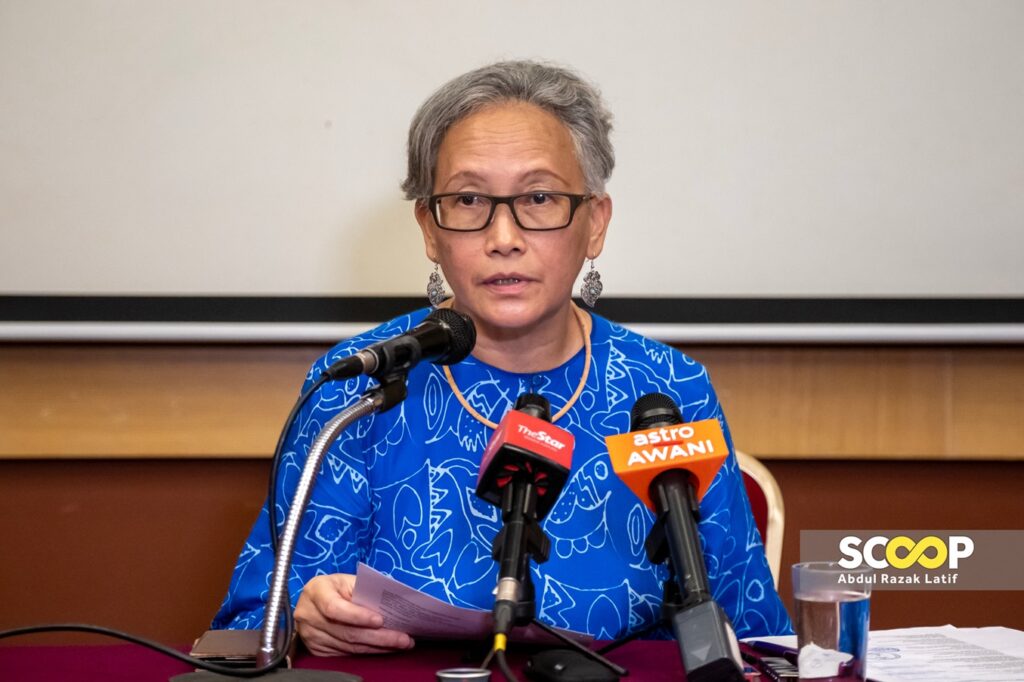
This was the response from Parent Action Group for Education (Page) chairman Datin Noor Azimah Abdul Rahim, following a recent statement by the Malaysian Employers Federation (MEF), which claimed that many local graduates remain ill-prepared for employment due to a mismatch between academic learning and industry demands.
It was reported that MEF president Datuk Dr Syed Hussain Syed Husman said that despite holding degrees, fresh graduates often lacked key soft skills such as communication, problem-solving and adaptability — qualities that industries now expect as baseline competencies.
He also stressed the urgent need for education providers to engage more closely with the private sector to keep teaching and training relevant.
Responding to MEF’s concerns, Azimah told Scoop that while universities are making efforts to align themselves with industry needs, they are still falling short.
“Universities never seem to catch up. Many academicians do not possess experience working in industry, so that may be where the gap is,” she said.
“Exposure to real-world conditions is lacking. Without constant and sustained engagement with industry, this mismatch will persist.”
She added that universities operating in isolation from industry realities often struggle to equip students with practical and transferable skills, leaving them unprepared for the expectations of today’s job market.
Cracks begin early
Azimah also pointed out that the problem cannot be pinned solely on higher education institutions, as many students enter university already underprepared.
“Higher education believes the problem lies with primary and secondary education, which have failed to set a strong foundation for universities to build upon,” she said.
This weak foundation, she argued, leaves students lacking critical thinking skills, independence, and basic communication abilities — all of which are vital for success in both university and the workforce.
English still a major barrier
She further noted that English proficiency remains a persistent hurdle.
“The language of industry and the private sector is still English. To be proficient, articulate, presentable and confident is the first step in commanding the respect one deserves,” she said.
“The application of knowledge at university will reinforce that first step before moving forward.”
Industries play a role
Azimah stressed that while universities must evolve, employers also bear responsibility.
“The responsibility of employers is perhaps to reinforce what is acquired at university — and more importantly, to enhance what is specific and peculiar to their industry.”
She believes there are core competencies that all industries share, and these can be mastered first before students specialise in more technical or sector-specific roles.
Building a thinking generation
To tackle the issue holistically, Azimah called for a stronger focus on nurturing independent, curious and socially engaged learners.
“Allow students space to think, empower them, let them do their own research, analyse, work in groups, and engage in social activities. Learn to write, to communicate, to lead.”
She said existing efforts to promote life skills — such as financial literacy and communication — must go beyond surface-level interventions and include more hands-on training, particularly in areas like presentation and interpersonal skills.
The bigger picture
Azimah also advocated for closer collaboration between education institutions and the private sector, especially in aligning curricula with industry practices.
“Collaboration can be enhanced by emphasising more on the practical side of industry,” she said.
She concluded with a reminder that preparing graduates isn’t just about ticking employability boxes — it’s about designing an education system that supports long-term well-being.
“The ideal model is one where the workforce enjoys work-life balance — where families and extended members benefit too.” – June 2, 2025