


KUALA LUMPUR – As Malaysia prepares to table Budget 2026, the country’s middle class — often described as the “squeezed middle” — is watching to see if long-held frustrations will finally be addressed.
Despite last year’s record RM421 billion allocation, many in the M40 group saw little in the way of direct benefits.
Tax reliefs in education, insurance and medical expenses, along with housing schemes for first-time buyers, offered some support, but the benefits were quickly eroded by higher living costs.
The rationalisation of subsidies and the expansion of the sales and service tax (SST) deepened the sense that middle-income households were shouldering more of the national bill. Unlike the B40, they rarely qualify for cash aid, yet they face rising prices for goods and services.
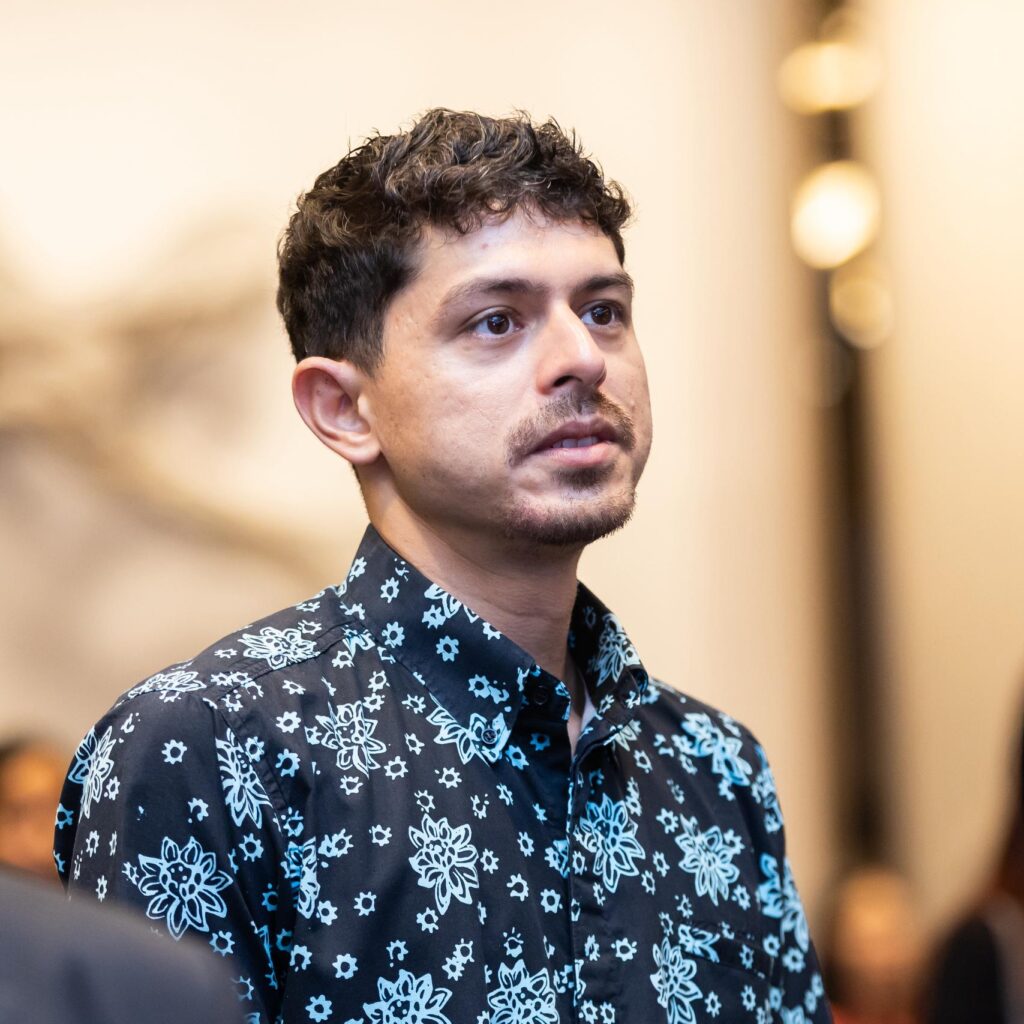
“Last year’s budget had reasonable benefits in the form of tax reliefs and affordable housing. There was also much-needed support for SMEs, which are critical to a healthy middle class,” said Rashaad Ali, managing director of the Social and Economic Research Initiative (SERI).
“But the relevance of these programmes is questionable, as they do not directly address the cost of living. Middle-income groups benefited marginally from cash assistance, but the impact was negligible at a time when subsidies were being rolled back.”
Rashaad said the government must realign Budget 2026 with its “diamond-shaped” socioeconomic vision, which aims to strengthen both lower and middle-income groups through fairer redistribution.
“The glaring omission in Budget 2025 was taxation of high-income groups — whether through wealth or inheritance taxes. Malaysia has also slept on raising tobacco tax, which hasn’t changed since 2015.
“It’s a low-hanging fruit that has broad public support and is less controversial than other high-income taxes,” he said.
According to Rashaad, the absence of serious tax policies for the rich has left the middle class effectively subsidising everyone else.
“Framing this as only a middle-class problem absolves high-income groups of responsibility. Financing social mobility for both low and middle-income groups is key to easing the cost-of-living burden.”
He added that middle-class discontent has been growing, especially as cash aid programmes for the B40 expand without comparable measures for the M40.
“The government has a real opportunity to be bold. They recognise the problem — most of their support base are middle-class Malaysians — but whether they have the political will to introduce progressive taxation is the question,” he said.
As Budget 2026 looms, attention will turn to whether Putrajaya is prepared to introduce wealth-based taxes or other progressive measures — and finally deliver relief to Malaysia’s middle class. — October 9, 2025