

KUALA LUMPUR – Branding and communications experts have lambasted US Pizza Malaysia for its “spectacular stumble” over basic religious sensitivity, stating that an unconditional apology and the immediate withdrawal of its controversial packaging are “non-negotiable”.
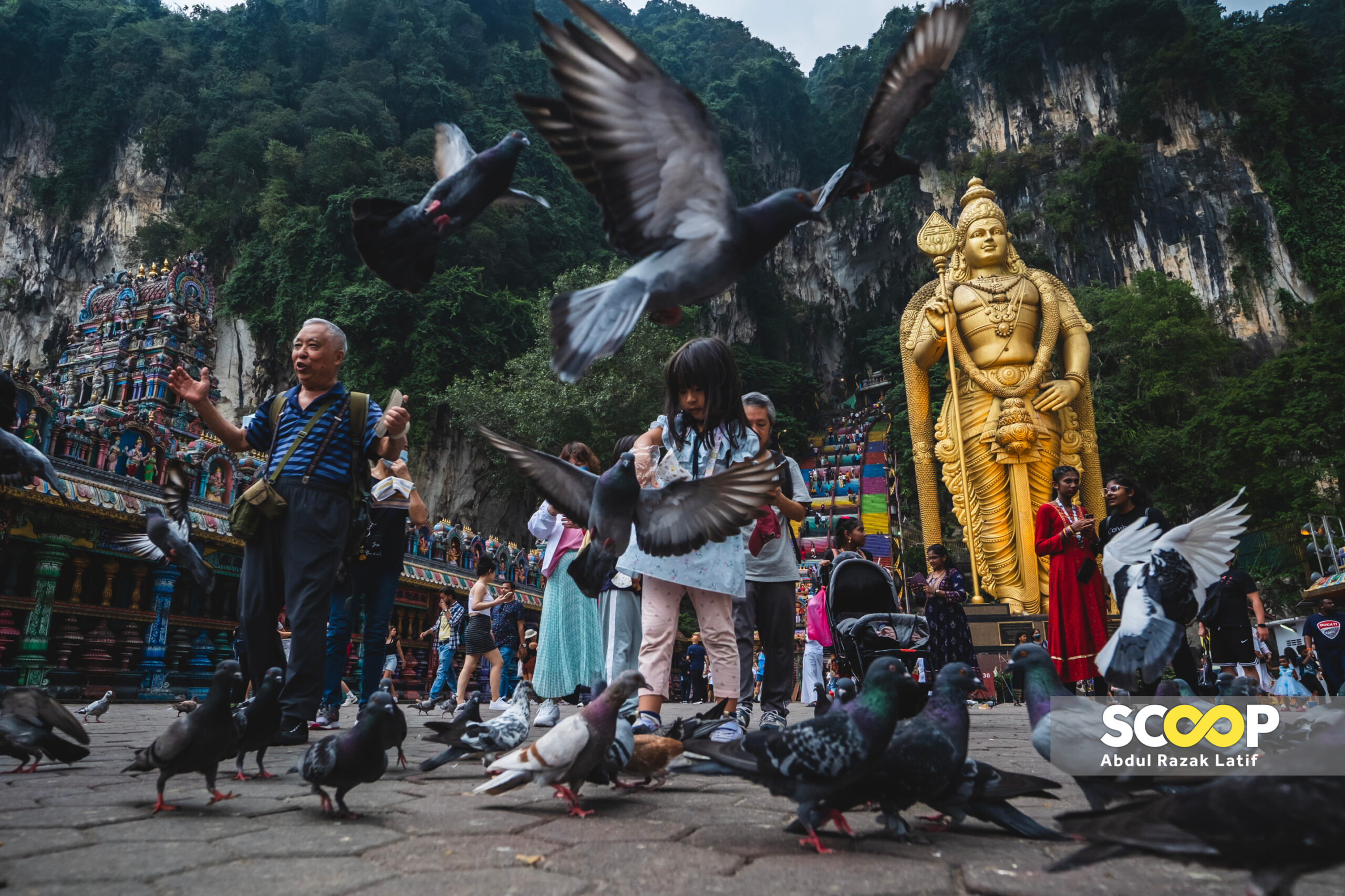
The pizza chain has been under intense scrutiny since releasing a new pizza box featuring a revered Hindu deity, Lord Murugan, alongside cartoon characters, sparking outrage within the Hindu community.
Leading the chorus of criticism, Prof Mohd Said Bani C. M. Din, president of the Public Relations and Communications Association of Malaysia, said the brand was right to be called out for its misstep.
“The local Hindu community was right to be upset,” he told Scoop.
“It’s not about whether most Hindus were offended; it’s enough that some were. In a multi-faith society, we must assume that using a sacred image for a consumable commodity is likely to be insensitive – even reckless.”
He argued that in a country that prides itself on diversity and respect, the incident exposed a hollow understanding of those very values.
“It’s a pity that in a country blessed with diversity… we still manage to stumble spectacularly on something as basic as sensitivity,” he said.
“When a brand decides to plaster a sacred deity on a pizza box and treat it as a marketing gimmick, suddenly all the good talk rings hollow.”
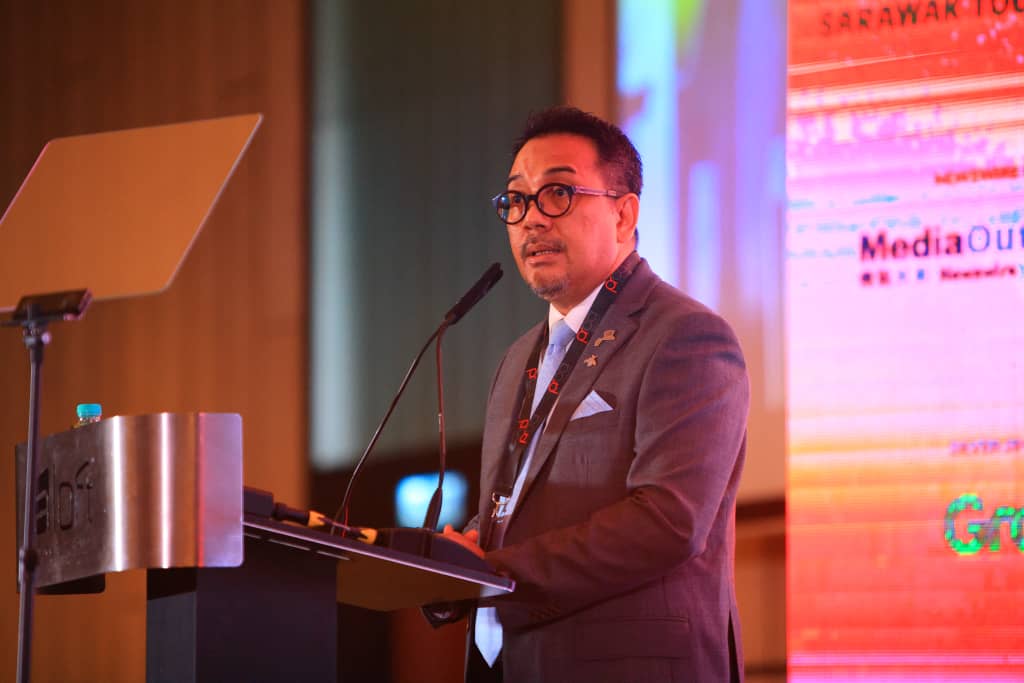
Said Bani was unequivocal in his assessment: “Cultural and religious symbolism is not props for merchandising. A revered figure such as Lord Murugan doesn’t belong next to cartoon characters chowing down pizza, much less on packaging meant to be thrown away.”
This view was strongly echoed by Mediha Mahmood, chief executive officer of the Communications and Multimedia Content Forum (CMCF).
“The Content Code is clear: sacred symbols aren’t creative props,” she said.
“Awareness and consultation are what turn good intentions into genuine respect.”
Mediha warned that good intentions are no defence against public backlash when the outcome causes offence.
“Like it or not, consultation is important, because inclusivity without understanding can easily become insensitivity, then we insult the people we intended to include,” she explained.
“When it comes to creative expression or branding, good intentions aren’t enough to shield anyone from the backlash that follows when the outcome offends or causes harm.”

The controversy erupted after the Hindu community noted the new pizza boxes, which placed an image of Lord Murugan among secular illustrations.
In a statement, the Malaysia Hindhudharma Maamandram condemned the design as an “act of sacrilege,” highlighting that the boxes could contain non-vegetarian food, including beef, and are ultimately destined for the garbage.
The organisation demanded the “immediate cessation of the use and distribution of the offending pizza box design, along with a formal, unconditional apology to the Hindu community.”
Said Bani fully supported this demand.
“If you step on a sacred toe, you don’t say ‘Oops, sorry you felt that way.’ You step back, correct your process, and show you’ve learned,” he asserted.
The incident is not an isolated case of a Malaysian brand misjudging cultural sensitivities in its advertising.
In April this year, local personal care brand HYGR faced a public relations crisis over an advertisement on an LRT train. The ad, which used a green mist to depict body odour, was seen by some commuters as racially insensitive.
Following public feedback and criticism, the brand issued a full apology for its “oversight,” and the poster was promptly removed by Prasarana Malaysia Bhd.
For both experts, these recurring incidents highlight a critical lesson for all brands operating in Malaysia’s diverse landscape.
Mediha stressed that genuine consultation is not a difficult step to take.
“Our society is ‘majmuk’ (diverse) enough that there really is no excuse for not checking in with the related communities to check if your incredible idea is also a responsible one.”
Concluding with a stark warning, Said Bani said such mistakes have consequences beyond just brand reputation.
“This is not some trivial PR hiccup. A brand that serves mass consumers in a multi-racial society can’t afford to treat religion or culture as afterthoughts,” he said.
“Call it modernity if you like, but without respect, all you have is modern branding clashing with ancient beliefs. And in a multi-racial, multi-religious society like ours, that’s not just poor taste. It’s a mistake with consequences.”
Former Deputy Education Minister Datuk P. Kamalanathan, who now chairs the Public Relations Practitioners Society of Malaysia (PRactioners), said such repeated episodes should serve as a clear warning to all corporations.
He said religious symbols must always be treated with utmost respect and sensitivity, and their use in commercial contexts should be preceded by proper cultural consultation and understanding.
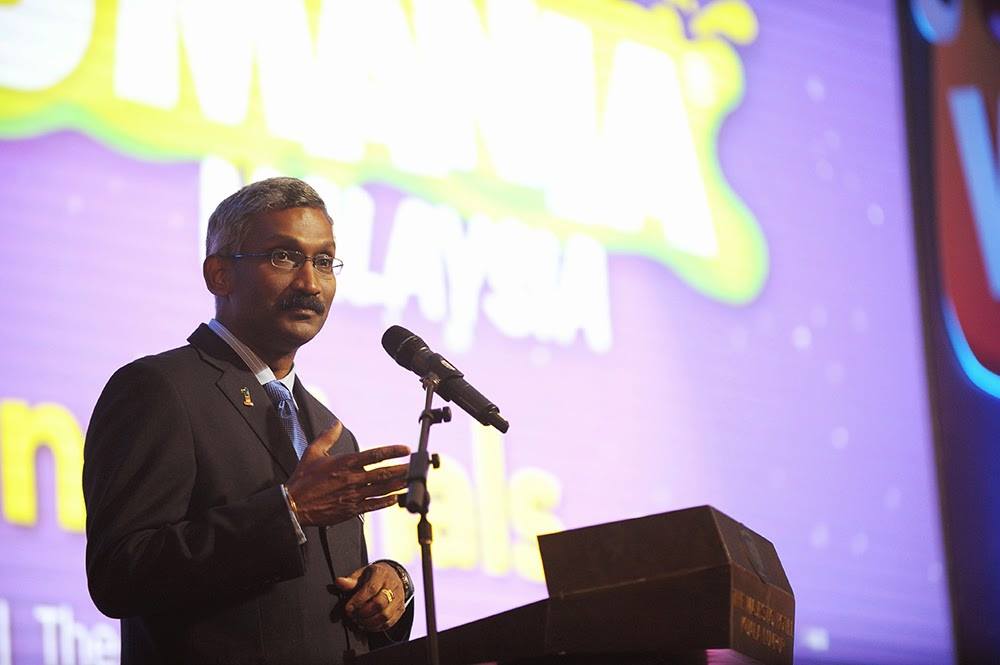
“This is a lesson worth learning for all organisations to ensure all forms of advertising take into account the sensitivities of all communities in framing their advertising strategies,” he said.
“As Malaysia is known for its harmony among diverse faiths, it is essential for all businesses to adopt best practices that promote respect for religious sentiments and preserve interfaith unity.” – November 11, 2025