

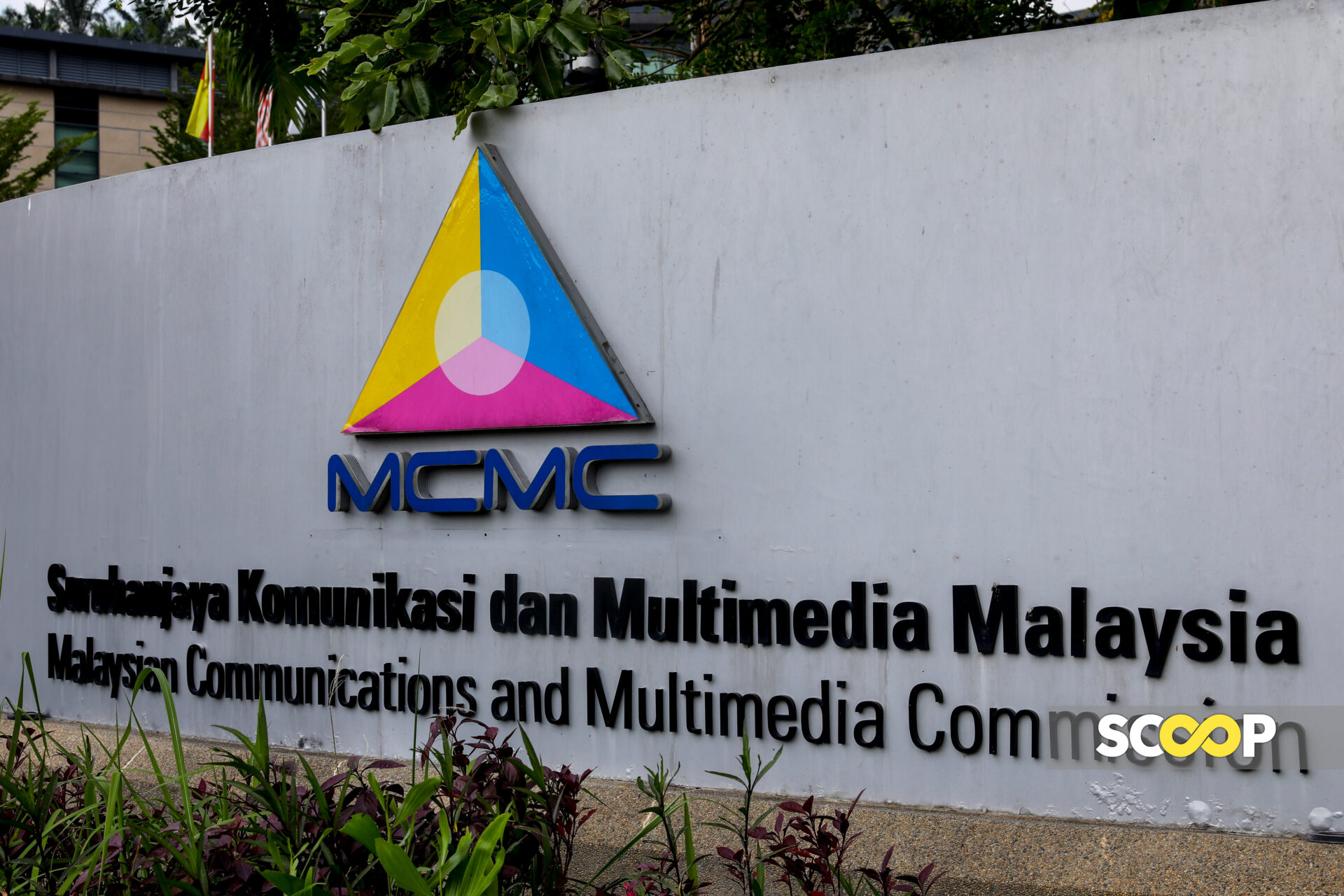

KUALA LUMPUR – The Malaysian Communications and Multimedia Commission’s (MCMC) decision to invoke the Deeming Provision under Section 46A of the Communications and Multimedia Act 1998 has garnered strong backing from the Legal Affairs Division of the Prime Minister’s Department (BHEUU), Members of Parliament (MPs), and industry experts.
This new provision, which will come into force on January 1, 2026, will extend Malaysian jurisdiction to major international online platforms, even if they do not have a physical presence in the country.
It is considered a significant step in the enforcement of the Online Safety Act 2025 (Act 866), a landmark piece of legislation aimed at ensuring the safety of internet users, particularly vulnerable groups such as children.
BHEUU has welcomed the move, emphasising that the Deeming Provision reinforces the Online Safety Act’s key objective of regulating online platforms effectively.
In a statement released today, BHEUU highlighted that the clause ensures major overseas-based platforms, including WhatsApp, Telegram, Facebook, Instagram, TikTok, and YouTube, are held accountable for protecting users from harmful content, cyberbullying, financial fraud, and child exploitation.
“This approach ensures that these platforms are held accountable under Act 866, guaranteeing they operate responsibly within Malaysia’s regulatory framework,” said the statement.
“In particular, it will help protect vulnerable groups, including children, from a wide range of online harms, ensuring that these platforms are subject to the same laws that govern other service providers in Malaysia.”
Furthermore, BHEUU stressed that the move strikes a balance between online safety and freedom of expression. The department reaffirmed its commitment to working closely with MCMC, as well as relevant ministries, agencies, and stakeholders, to ensure a transparent, phased, and effective rollout of the Act.
The department also reiterated the Madani Government’s broader goal of establishing a safe, ethical, and responsible digital ecosystem that can support technological progress while safeguarding public safety and welfare.
Support for the move has also come from Members of Parliament, particularly Syahredzan Johan, MP for Bangi. In a statement, Syahredzan praised the Deeming Provision, noting that it addresses a long-standing regulatory gap in the way international platforms operate in Malaysia.
“Social media platforms have an enormous influence in Malaysia,” Syahredzan said.
“They play a crucial role in shaping public discourse, yet many of these platforms have avoided the regulatory oversight that is necessary to protect users, particularly children, from harm. This move will help close that gap.”
Syahredzan further emphasised that the government’s goal is not to restrict free expression online, but to ensure that platforms bear responsibility for the content they host.
“We are not trying to limit the use of social media, but we want these platforms to fulfil their obligations to users, especially when it comes to online safety and accountability,” he added.
He also cautioned that the implementation of the Deeming Provision must be handled carefully, ensuring that regulatory powers are not misused.
“It is important that the MCMC and other relevant bodies continue to engage with stakeholders in a transparent and consultative manner, ensuring that any regulatory actions are in line with the principles of fairness and justice,” he said.
Legal experts have also welcomed the new provision, acknowledging the importance of holding online platforms to account for their impact on local communities. They have, however, stressed that the enforcement of the Deeming Provision must be balanced with safeguards to prevent overreach.
“The Deeming Provision is a step in the right direction, but it must be implemented in a way that upholds the principles of fairness and justice,” said one legal expert. “There is a need to ensure that regulatory powers are used appropriately and that there are clear mechanisms for appeal and oversight.”
The MCMC’s latest announcement also noted that, starting January 1, 2026, all internet messaging and social media service providers with eight million or more users in Malaysia will be automatically deemed registered as holders of an Application Service Provider (Class C) [ASP(C)] Licence. This includes the major global platforms WhatsApp, Telegram, Facebook, Instagram, TikTok, and YouTube.
This development is part of a wider effort by the Malaysian government to ensure that online platforms, regardless of their geographical location, are held to the same standards as local service providers, particularly when it comes to user protection and compliance with local laws. – December 15, 2025