

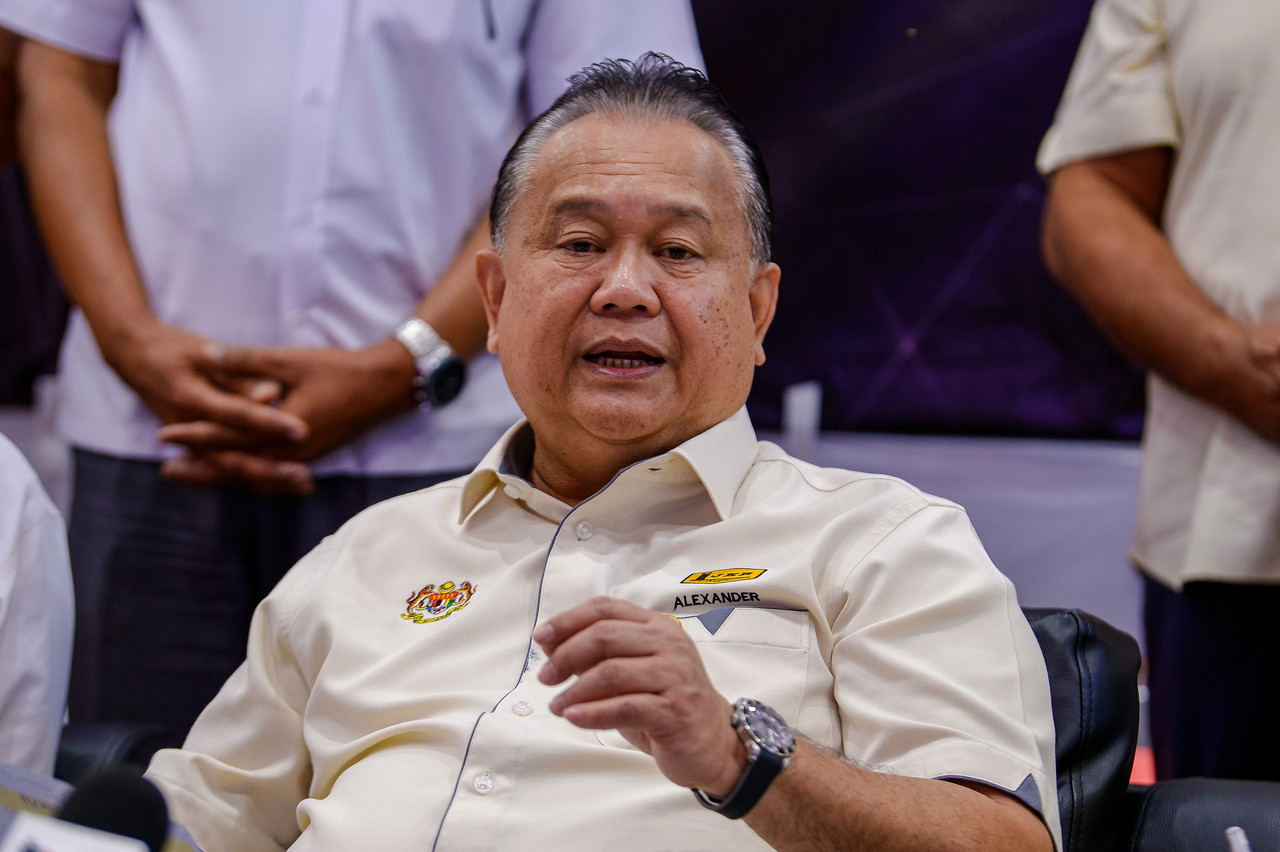

KUALA LUMPUR — The introduction of smart lanes at the Rawang Interchange has led to a 74 per cent reduction in accidents, underlining the success of the initiative in improving road safety and easing traffic flow.
Works Minister Datuk Seri Alexander Nanta Linggi highlighted that routes like the Putra Mahkota–Southville area saw a 22% decline in accidents since the smart lanes were activated.
“Overall, accident rates in these smart lane zones are very low and not significant when compared to the volume of vehicles using these areas,” he said during an oral question session in Parliament today.
Nanta’s comments followed a supplementary query from Manndzri Nasib (BN–Tenggara), who sought clarification on the accident statistics for smart lanes and the ministry’s monitoring strategies to ensure the initiative does not pose higher risks, especially during festive periods.
Smart lanes, which allow light vehicles to utilise emergency lanes, aim to enhance highway capacity, particularly during peak traffic times or festive seasons, thus alleviating congestion.
The Minister attributed most accidents to human error rather than road design, citing factors such as speeding in smart lanes, unsafe lane changes without signals, and misuse of emergency lanes outside of operational hours.
For sustained improvements, the Ministry of Works is pursuing comprehensive infrastructure projects, including widening highways and upgrading key routes like the North–South Expressway (PLUS) from Senai Utara to Machap, and the Juru–Sungai Dua Traffic Dispersion Project (PTJSD), which aims to reduce congestion.
“Widening the Kuala Lumpur–Karak Expressway will also help alleviate traffic, especially during festive periods. Transitioning to the Multi Lane Fast Flow (MLFF) toll system will streamline toll payments and reduce congestion at toll plazas,” Nanta added.
The Malaysian Highway Authority (LLM) continues to monitor traffic with CCTV surveillance from the Traffic Management Centre and collaborates closely with the police and the Road Transport Department (JPJ) to prevent misuse of smart lanes.
“We will continue to raise public awareness about safe driving in smart lanes. While enforcement is key, fostering awareness and responsible driving is just as important,” he stated.
“Smart lanes are part of a broader strategy. Long-term safety hinges on infrastructure upgrades, effective traffic management, and cooperation from all road users,” Nanta concluded.
“During festive seasons, we enhance monitoring and work closely with the police and JPJ to ensure that the lanes are used appropriately and accident risks remain minimal,” he added. – January 21, 2026