

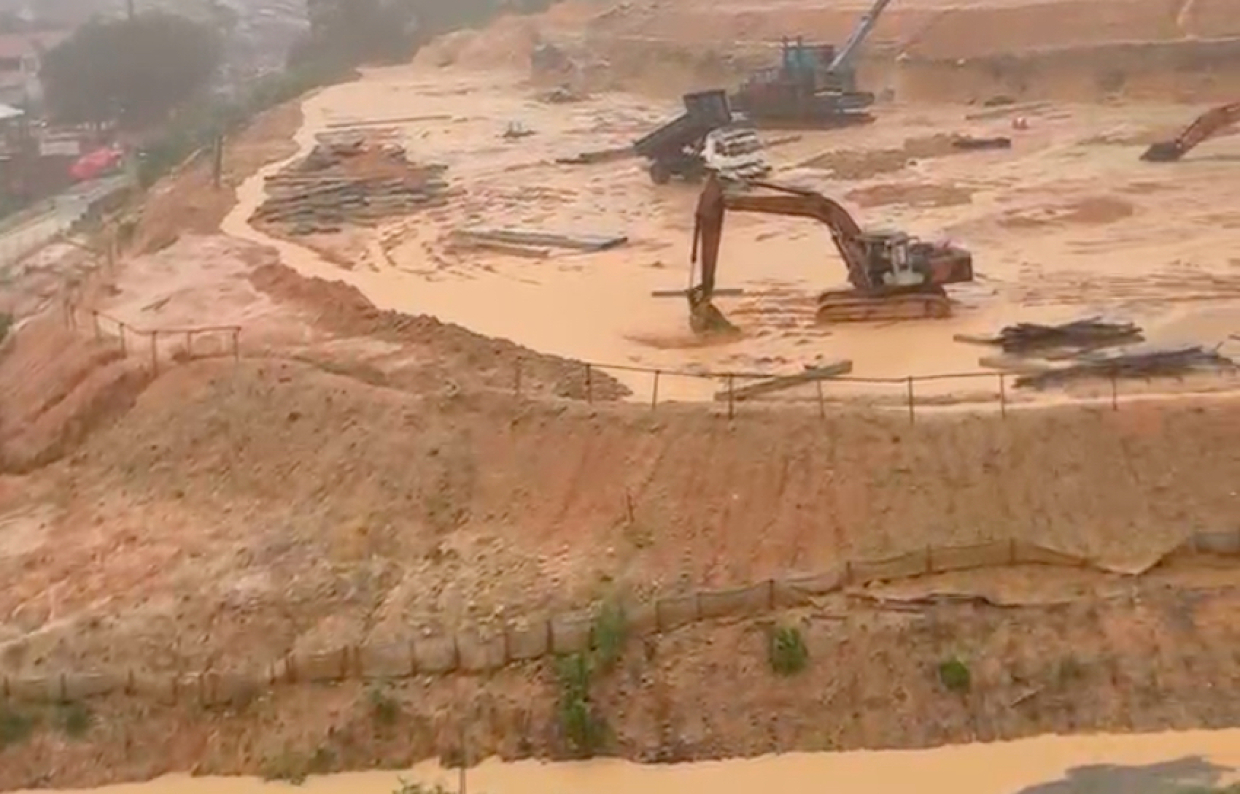
KUALA LUMPUR – Malaysian Institute of Architects (PAM) president Dexter Koh Yew Peng has warned that hillside developments cannot be approached solely from a density or commercial perspective, stressing the need for greater sensitivity in high-risk areas.
“For high-risk hillsides, the primary consideration is whether they should be developed at all,” he said in an exclusive interview with Scoop.
According to Dexter, development should be carried out in phases rather than through large-scale land clearances undertaken all at once.
He added that the architectural industry is increasingly moving towards a “passive design” approach that works with the country’s intense heat and heavy rainfall rather than against it, noting that architects have a responsibility to weave “hydrological and geological data into the DNA of every project”.
“Our job is to ensure public safety and environmental integrity are never sacrificed for the sake of density or developers’ profits,” he said.
Dexter also noted that architecture in Malaysia is increasingly embracing the “passive design” methodology to ensure buildings are better suited to local climate conditions.
This includes optimising building orientation, shading, and natural ventilation. He added that PAM has championed the adoption of its Green Building Index (GBI) sustainability assessment tool to ensure projects are energy-efficient and resilient from the outset.
“While these actions may not completely solve flash flooding and climate-related disasters, they can mitigate and reduce their impact on communities,” he added.
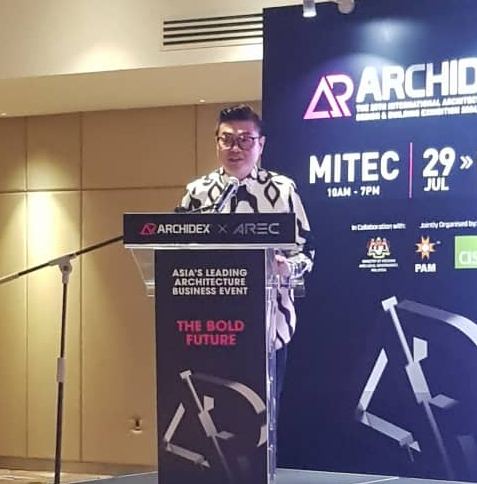
On balancing rapid urban growth with the preservation of heritage buildings and cultural identity, Dexter stressed that development and conservation should go hand in hand.
“A vibrant city needs both new growth and old roots; they are not mutually exclusive and can co-exist harmoniously,” he said.
He explained that PAM advocates “adaptive reuse”, which involves repurposing heritage buildings into functional offices or community hubs instead of demolishing them.
Dexter cited Hin Bus Depot as “an exemplary showcase of this endeavour”, noting that the project had also spurred the revitalisation of surrounding areas.
He added that integrating public spaces into affordable housing developments is crucial to ensuring rapid urbanisation does not result in “urban conformity”.
“Our identity is found in the ‘in-between’ spaces: five-foot ways, public squares and more. Architects must incorporate these as the social connectors of our cities,” he said.
Recently, Kuala Lumpur Mayor Datuk Seri Fadlun Mak Ujud announced that all developments on critical slopes in Kuala Lumpur must be carried out in phases, with each stage subject to inspections and approval by authorities before the next phase can proceed.
The initiative was introduced following the recent mudslide incident at Jalan Abang Haji Openg. – May 16, 2026