

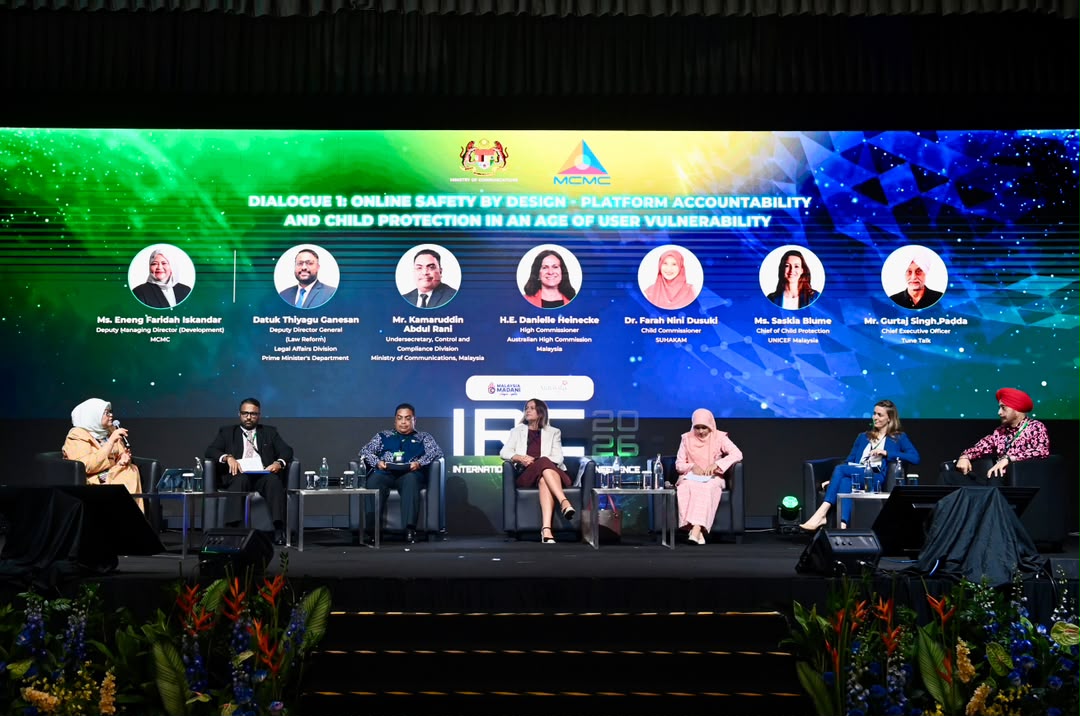
KUALA LUMPUR – Malaysia’s Online Safety Act (ONSA) signals a major change in the way digital spaces are regulated, shifting the focus from merely removing harmful content to making online platforms responsible for creating safer environments by design.
The approach was a key discussion point at the International Conference on Online Safety, where regulators, industry representatives and global organisations agreed that tackling harmful material after it appears is no longer sufficient.
Prime Minister’s Department Legal Affairs Division Deputy Director General (Law Reforms) Datuk Thiyagu Ganesan said ONSA was developed to address broader systemic challenges instead of relying solely on content removal.
“I think they have a big challenge in any country, not only Malaysia. Even Australia, UK, maybe Canada, they also have this problem, how to balance between online safety and also freedom of expression,” he said during a forum at the International Regulatory Conference (IRC).
He stressed that the legislation was not intended as a tool for censorship, but as a framework to ensure online service providers take greater responsibility.
“We have obligations being imposed under this particular legislation on the platform providers where there is a duty that platform providers to ensure that the platforms are safe,” he added.
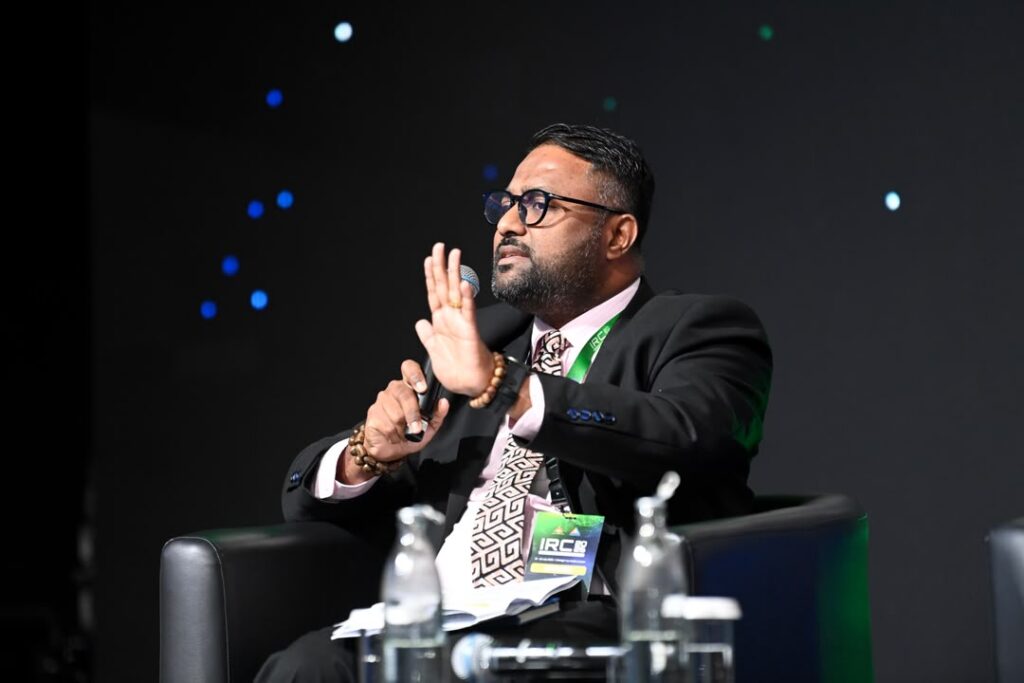
Thiyagu said ONSA was drafted with safeguards for freedom of expression, emphasising that any regulatory measures must remain necessary and proportionate.
He added that the law could evolve as regulators gain more experience with its implementation.
“But along the way, we have opened to improvement. If you want to improve the terminology of harmful content, we can do it,” he said.
Chief of Child Protection at Unicef Malaysia Saskia Blume said platform accountability had become a growing global priority, although countries continued to adopt different regulatory approaches.
“I think it’s very clear that the status quo is not acceptable and sustainable.”
“So, when we see countries around the world really looking at platform accountability and responsibility, there is an agreement around what needs to happen, and then there are some different approaches on how to implement that in terms of the regulations,” she said.
She said the shift in regulatory thinking required platforms to consider safety at the design stage, rather than only responding after harmful content had already spread.
“So, if we’re looking at it holistically, it needs to start with safety by design,” she added.
Saskia also highlighted ONSA’s requirement for child protection plans as an important step towards establishing clearer and more consistent safety standards across online platforms.
Industry players similarly argued that greater responsibility should rest with technology companies instead of being placed mainly on parents or authorities.
Tune Talk chief executive officer Gurtaj Singh Padda said monetary penalties alone might not be enough to influence the behaviour of large technology platforms.
Instead, he argued that companies must take proactive steps to prevent harmful content from being uploaded.
“I said, the solution is very simple, do not allow anything to go on your content, on your platform which is not checked,” he said.
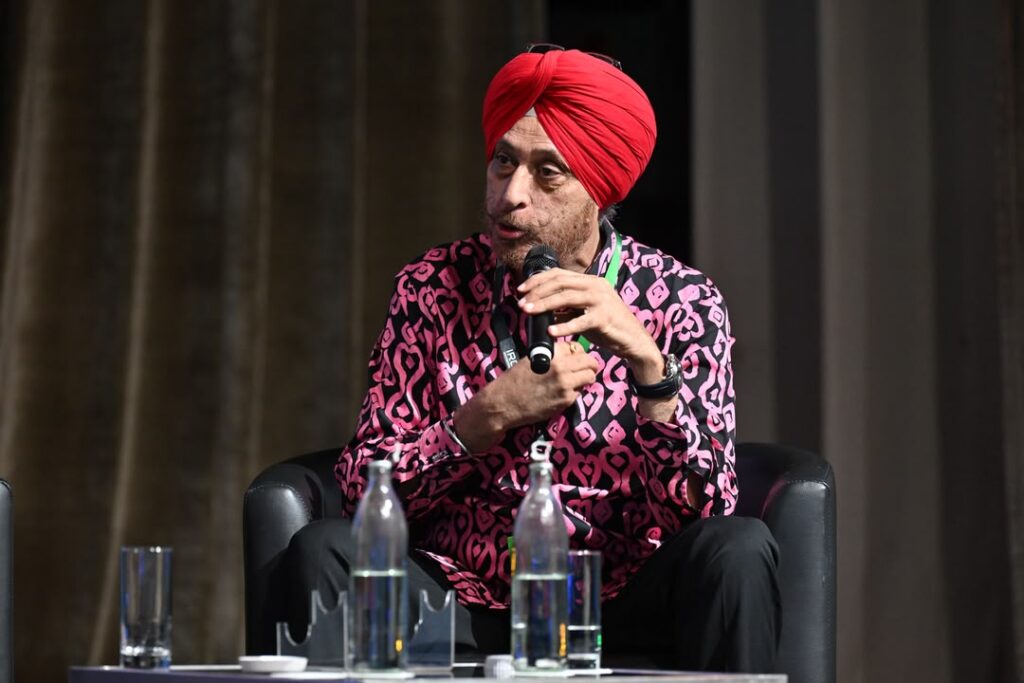
He said ONSA provided the necessary legal basis to ensure platforms were accountable for maintaining safer digital spaces.
Australia’s regulatory experience was also cited as an example of how governments are increasingly shifting responsibility towards platforms.
Australian High Commissioner to Malaysia Danielle Heinecke said the country’s age assurance regulations placed the responsibility on social media companies, rather than parents or governments, to prevent children under 16 from accessing their services.
“So what we did which many of you would also be aware is that we took on the social media platforms and we put the role of enforcement based on strong regulation on them.”
“They were the ones that had the requirement to verify that they did not have under 16 on their platforms,” she added.
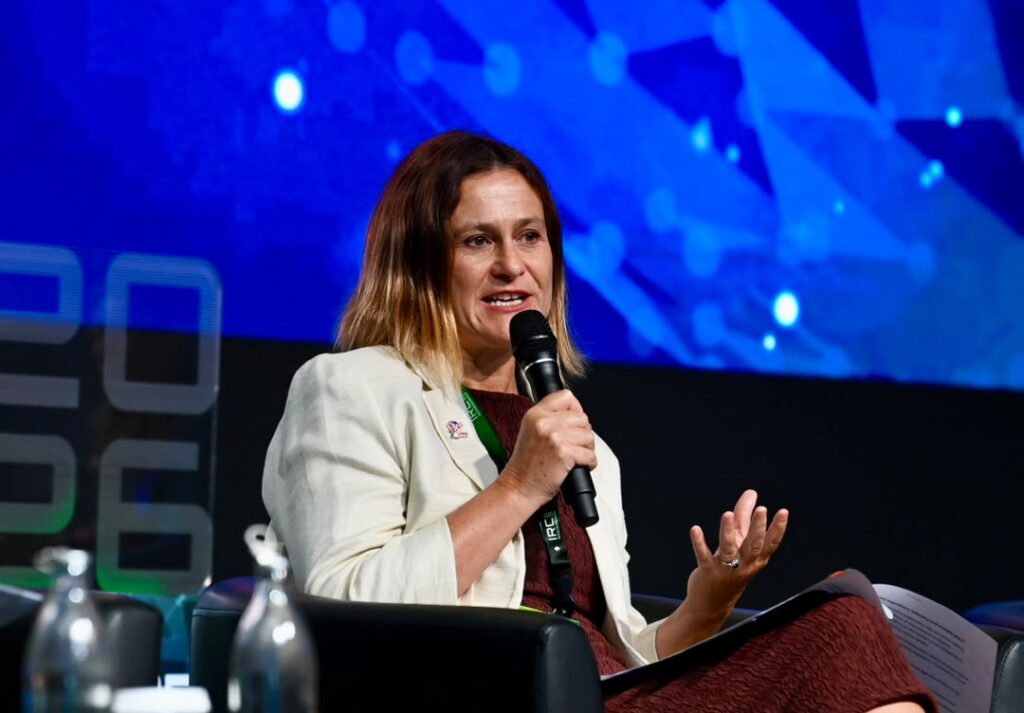
Australia later strengthened penalties for non-compliance after finding that some platforms had policies in place but failed to effectively enforce them.
For Malaysian regulators, the effectiveness of ONSA will not be determined by the number of removed posts or enforcement actions alone, but by whether online services become safer by default.
As countries continue to address the challenges posed by digital harms, discussions surrounding ONSA indicate that the regulatory debate is moving beyond policing individual pieces of content. The focus is increasingly on ensuring platforms are built, operated and governed in ways that prevent harm before it reaches users. – July 21, 2026