

KUALA LUMPUR – Plans to ease traffic congestion in central Johor Bahru are being studied to prevent the emergence of new bottlenecks ahead of the launch of the Rapid Transit System (RTS) Link connecting the city with Singapore.
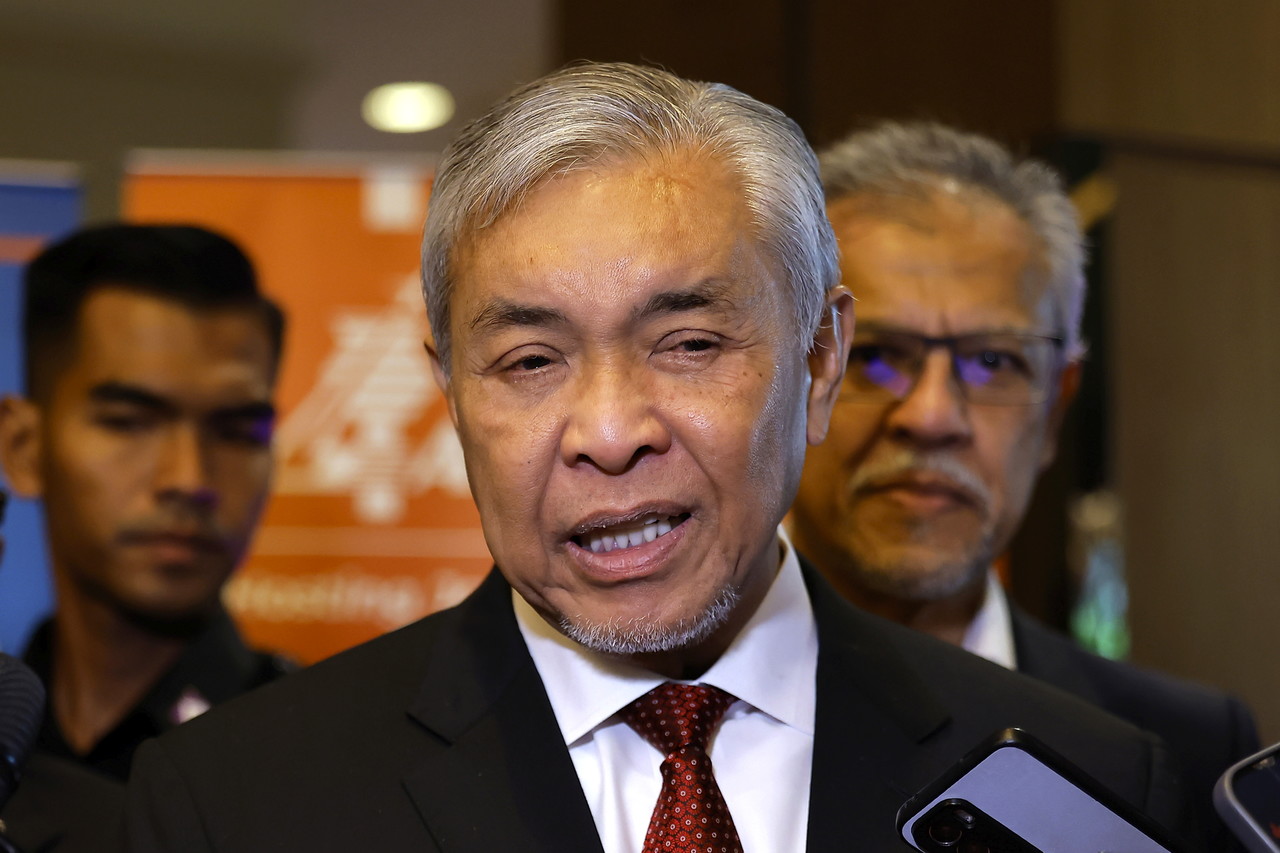
Deputy Prime Minister Datuk Seri Ahmad Zahid Hamidi said the planning process involves coordination between relevant agencies and the integration of public transport systems, as travel patterns are expected to change once the service begins operations, Bernama reported.
He said the changes would be particularly felt in the city centre and areas directly connected to the RTS Link network.
“This approach is in line with the aspiration for a more integrated, efficient, safe and people-friendly public transport system, particularly in supporting smoother cross-border mobility,” he said in a statement after chairing the Cabinet Committee on Road Safety and Congestion (JK-MKKJR) Meeting No. 1/2026 here today.
The RTS Link is scheduled to begin operations on Jan 1 next year and is expected to handle up to 10,000 passengers per hour in each direction.
The rail system will connect Bukit Chagar in Johor Bahru with Woodlands North in Singapore.
On July 2, Transport Minister Anthony Loke told the Dewan Rakyat that the Federal Government would provide funding for the development of the Elevated Autonomous Rapid Transit (E-ART) project in Johor as part of efforts to address projected congestion following the RTS Link’s commencement.
Loke said the Transport Ministry (MOT), in collaboration with the Johor state government, was preparing a traffic dispersal plan to strengthen existing public transport networks, including the expansion of the BAS.MY bus service to 28 routes involving 254 buses, including electric buses.
He said under the Stage Bus Transformation Programme (SBST) 2.0, 157 buses would be allocated specifically for routes connecting Johor Bahru Sentral and Bukit Chagar, with operations expected to begin in early 2027. – August 17, 2026