

KUALA LUMPUR — Worker accommodation should be incorporated into development plans from the outset, particularly in areas expected to house large numbers of labourers, the National Housing Rental Association (NHRA) said.
Its president Prakash P. Kalivanan said workers’ accommodation needs should not be addressed later by placing excessive numbers of them in existing residential areas without considering infrastructure capacity and the needs of surrounding communities.
“Worker accommodation should form part of development planning from the outset, rather than being addressed later through existing residential areas without considering infrastructure capacity and community needs,” he said in a statement today.
Prakash said employers who hire large numbers of workers, particularly foreign workers, should provide proper accommodation that meets the required standards instead of placing the burden on ordinary residential neighbourhoods.
He said foreign workers were not the issue, stressing that they were entitled to safe, clean, suitable and dignified accommodation.
“Foreign workers are not the issue, as they have the right to safe, clean, suitable and dignified accommodation, but their housing needs should not place an undue burden on the ordinary residential rental market and local community,” he said.
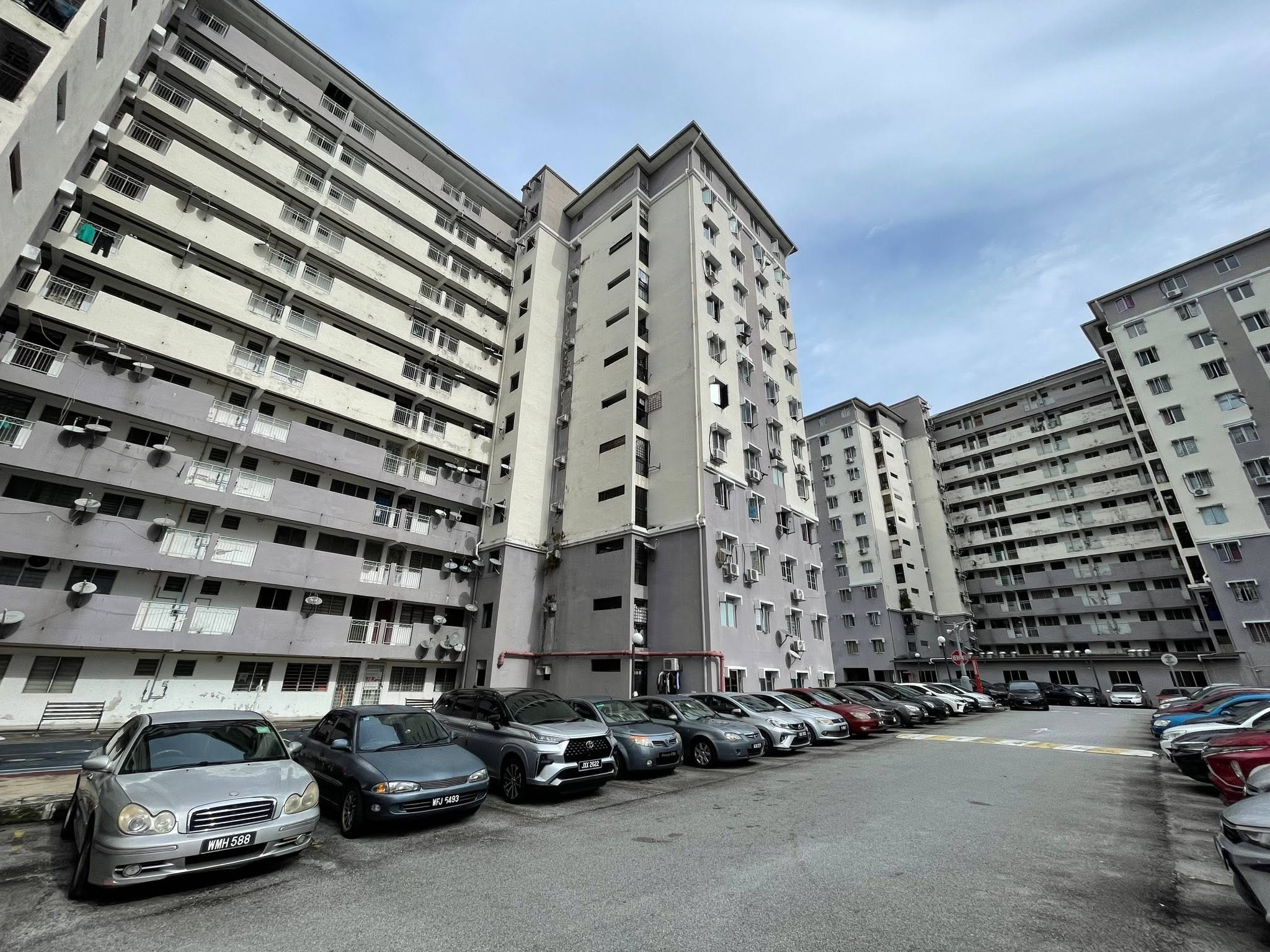
His statement followed media reports about concerns among residents of Putra Harmoni Apartment, Precinct 9, Putrajaya, over the growing number of foreign nationals living there.
Malay-language news portal Kosmo Daily reported on Sept 4 complaints by apartment of the large numbers of workers from Bangladesh, Nepal, and Pakistan who resided there, some of whom loitered outside till late at night.
Prakash said when a family-sized residential unit was continuously occupied by a much larger number of people, the resulting pressure could extend to shared facilities such as lifts, car parks, rubbish disposal systems, water supply, security and common areas.
The changing occupancy pattern at the apartment should not be viewed solely through the nationality of its occupants, but in terms of the development’s capacity, occupancy density and its impact on the local community.
He said Malaysia already had a legal framework to ensure minimum standards for workers’ housing, accommodation and amenities under the Employees’ Minimum Standards of Housing, Accommodation and Amenities Act 1990 (Act 446).
He said concerns over cleanliness, safety and the use of common spaces should be addressed through systematic enforcement and proper management, rather than sentiments based on race or nationality.
NHRA also urged the relevant authorities to inspect premises being used for group worker accommodation, with checks focusing on the number of occupants, suitability of the premises, compliance with worker accommodation standards, safety and cleanliness.
Prakash said the government and industry should work together to expand centrally planned and certified worker accommodation, particularly in areas with high workforce density.
Areas with industries or economic activities requiring hundreds or thousands of workers should have suitable accommodation incorporated into development plans at an early stage.
He added that similar pressures could become more pronounced in industrial cities and high-density areas if worker accommodation needs were not properly addressed through planned development.
Malaysia introduced the concept of Centralised Labour Quarters (CLQ) in 2018 for the construction sector, whereby developers are to build centralised lodgings for workers. However, Act 446 still allows various types of housing accommodation, and implementation of CLQs is not across all sectors. – Sept 7, 2026