


IN a recent televised interview, two Malaysian reporters—one returning from a Gaza-bound flotilla—broke down in tears while recounting their experience. The moment was raw, emotional, and widely circulated. But for some viewers, it felt more staged than sincere.
There’s no denying that journalists are human. Emotion is not a flaw—it’s a signal of empathy, of moral engagement. But when those emotions eclipse the story itself, we risk turning solidarity into spectacle.
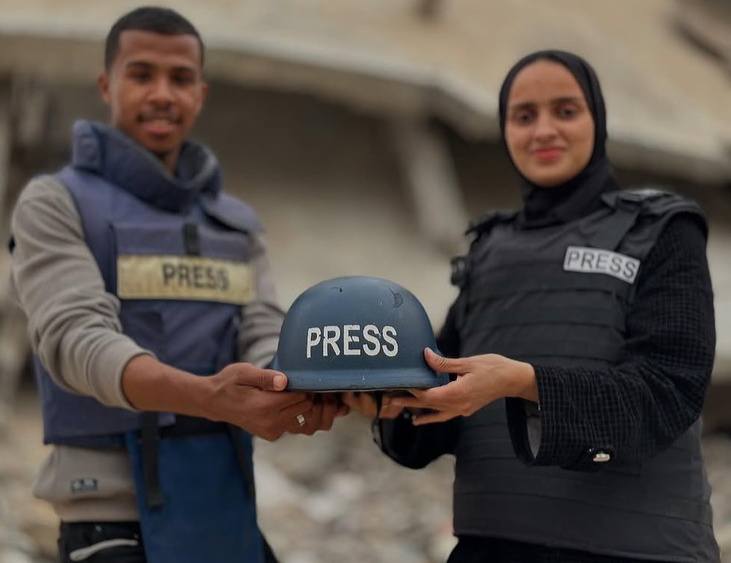
In this case, the tears of Malaysian reporters—far removed from the daily horrors of Gaza—seemed disproportionate, especially when compared to the stoicism of Gaza-based journalists who continue reporting despite losing homes, families, and colleagues. Many of them do not cry on camera. They hold the line, not because they feel less, but because they understand the weight of their role.
When reporters cry on camera over secondhand experiences—especially in orchestrated interviews—it can feel like emotional inflation. The pain is real, but the presentation risks undermining the gravity of frontline suffering.
My own editor was shot at in Iraq in the early 2000s. A member of his media corps died. When I asked if he cried during later interviews, he gave a hard “no.” Not out of callousness, but out of respect—for the dead, for the story, and for the audience.
Veteran journalists often develop a kind of emotional armour—not because they feel less, but because they know the weight of their presence. A single tear can shift the lens from the subject to the journalist. In places like Iraq, Gaza, or Afghanistan, that shift can feel like a betrayal.
Not all viewers respond the same way. Some may find televised grief moving. Others may feel put off, sensing emotional inflation or performative grief. In trying to show how much we care, we may inadvertently centre ourselves in someone else’s tragedy.
It’s not about denying emotion. It’s about calibrating it to the context. If Gazan reporters, who’ve lost homes and families, can hold the line during standuppers, then surely solidarity coverage should aim for restraint, not spectacle.
Journalistic decorum isn’t about emotional suppression. It’s about editorial discipline. It’s about knowing when to step back, when to let the story speak, and when to remember that the most powerful solidarity is often the quietest. — October 13, 2025
A. Azim Idris is a News Editor at Scoop