


KUALA LUMPUR – Malaysia’s Klang Valley rail network, comprising the LRT, MRT, KTM Commuter, and ERL, continues to offer affordable travel despite high operational costs, transport experts said, highlighting its vital role in easing congestion and linking communities.
The discussion took place on a recent Scoop Insight podcast hosted by Big Boom Media Group Editor-in-Chief Terence Fernandez and Scoop News Editor A. Azim Idris, focusing on fare structures, system integration, long-term planning, and operational challenges.
The episode featured Datuk Dr Mohd Yusoff Sulaiman, President of MARIC (Malaysia Rail Industry Corporation) Rail; Datuk Seri Dr Shahril Mokhtar, Executive Director of Destini Bhd and former CEO of MRT Corp, and Malcolm G. Owens, an International Railway Expert and Advisor.
Shahril praised the affordability of Klang Valley’s rail network, particularly for commuters using passes such as the My Pass 50.
“The My Pass 50 is bloody cheap considering the service you get. From the commuter’s perspective, it’s amazing. Ridership continues to grow, and the capacity is there. People want to ride, but services must be punctual and reliable,” he said.
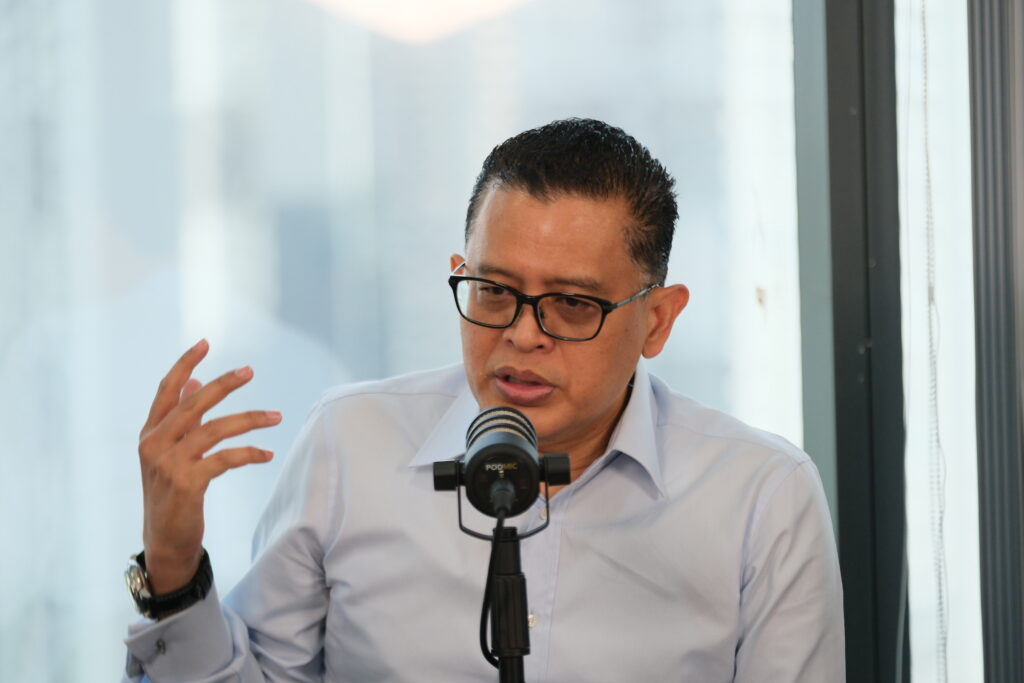
He stressed the importance of long-term planning to ensure a sustainable network.
“When I do projects, I look 50 years ahead. You need to plan for capacity, signalling, communication, and local technical capability. Spare parts and maintenance over decades must be considered,” he added.
Shahril acknowledged that overcrowding remains an issue during peak hours.
“Peak hours can reach 110 to 120% capacity. The stations were designed decades ago, so they’re smaller than what the current demand requires. But you learn from experience, and newer stations like those in MRT are much bigger,” he said.
He also defended ERL fares, often viewed as costly by commuters.
“Before the ERL, tourists had a bad deal with taxis or buses. ERL provides certainty—you know the price, you can book a seat, and it’s fast, clean, and comfortable. If you travel with a family of four, taxis may be better, but for solo travellers, ERL is unbeatable,” he said.
Looking ahead, Shahril highlighted projects like LRT3 as key to connectivity.
“The Klang Valley has multiple systems—monorail, LRT, MRT, KTM Commuter, and ERL—for a reason. They each serve different capacities and purposes. Once LRT3 is operational, it will ensure greater connectivity and reduce travel time significantly. LRT3 will complete the network—it is the final piece of the puzzle,” he said.
Yusoff explained that fare revenue alone is insufficient to cover operating and infrastructure costs.
“The ability to pay is very important. Government subsidies for targeted segments, like students and retirees, help sustain the system. But the business case doesn’t rely solely on the fare box—it relies on the economic benefits that growth generates,” he said.
He emphasised that public rail should function as a utility rather than a profit-making enterprise.
“You can’t expect public transport entities to make money. Globally, cities like London subsidise TfL billions per year. Even Singapore’s SMRT struggled when listed publicly—it’s a huge challenge to prioritise profitability in public transport,” Yusoff added.
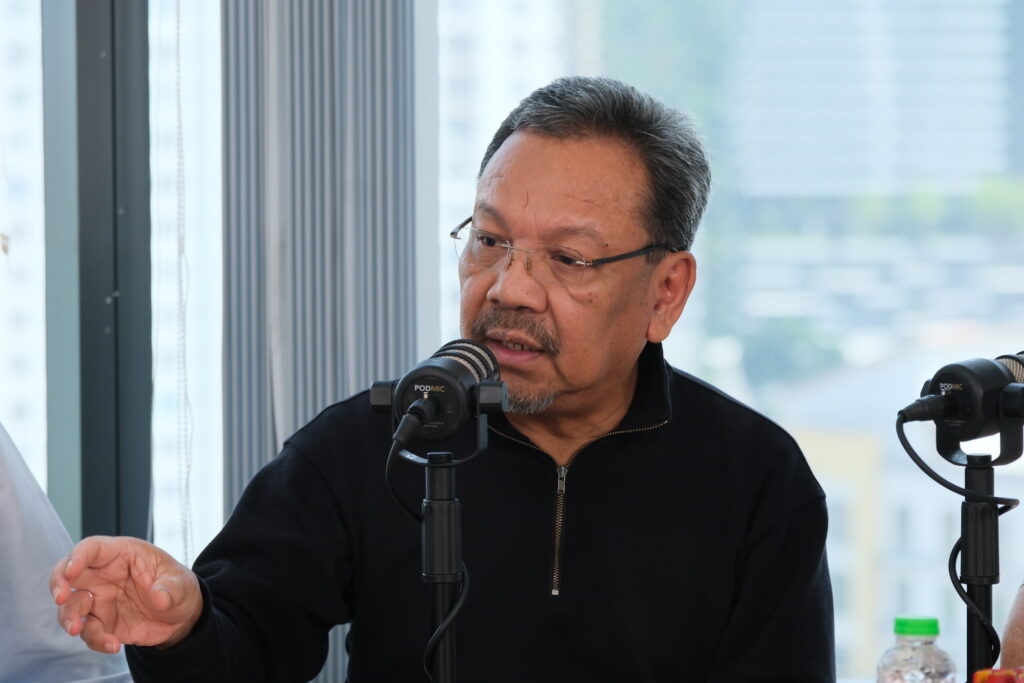
On fare structures, Yusoff said balancing commuter affordability with operational sustainability is essential.
“The fare structures must consider the urban population’s ability to pay and provide a balance between affordability and sustainability. Public rail should be treated as a utility, not a profit-making venture. The bigger benefits—reducing road congestion, improving urban mobility, and supporting economic growth—outweigh short-term losses,” he explained.
Owens added an international perspective, noting that high operating costs are common worldwide.
“If you look at major cities globally, very few rail systems break even from fare revenue alone. Hong Kong’s MTR makes money only through transport-oriented development, not from fares,” he said.
He highlighted the economic rationale for investing in public transport.
“Nobody can afford to pay back the actual infrastructure cost directly. It’s the economic spillover—growth generated by improved transport—that pays for it. When the Bangalore MRT opened, the fare was four times the price of a bus. Only the wealthy used it. The buses were packed. It’s the broader economic benefit that justifies investment, not fare collection alone,” Owens said.
Owens also spoke on system integration.
“There will always be some disconnects because the railway lines don’t go everywhere. But the lines that exist generally interact well. Transfers between MRT 1 and MRT 2 are easy, bus systems complement the network, and airport connections are functional. Continuous review is key as the population grows,” he said.
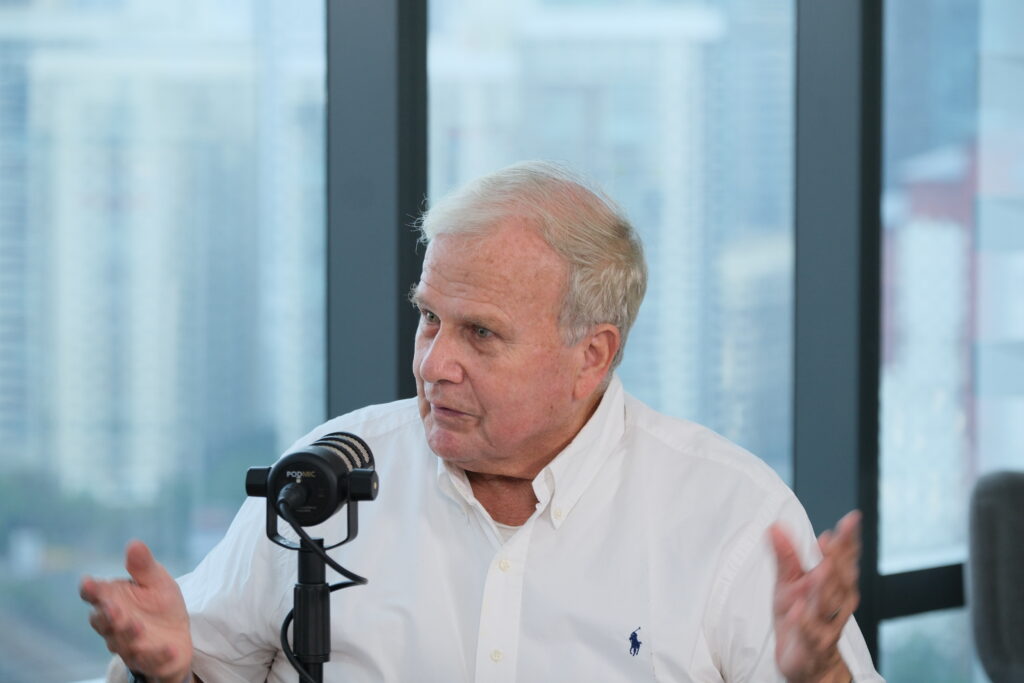
The panel agreed that ongoing investment in signalling, local technical capability, and communication with commuters is vital to maintaining reliability across Klang Valley’s rail system.
Recent operator data shows strong usage across the network. Rapid Rail — which runs the LRT, MRT, and monorail — recorded over 1 million passenger trips in a single day on May 29, 2024. Prasarana-operated services, including buses and rail, aim for an average daily ridership of around 1.2 million trips.
The LRT3 (Shah Alam) line, part of the Klang Valley integrated transit network, is under construction, covering 37.8 km from Bandar Utama to Johan Setia in Klang. Its cost has been revised to RM21.93 billion following the reinstatement of five stations announced in Budget 2024, adding RM5.3 billion to the project. – March 11, 2026