

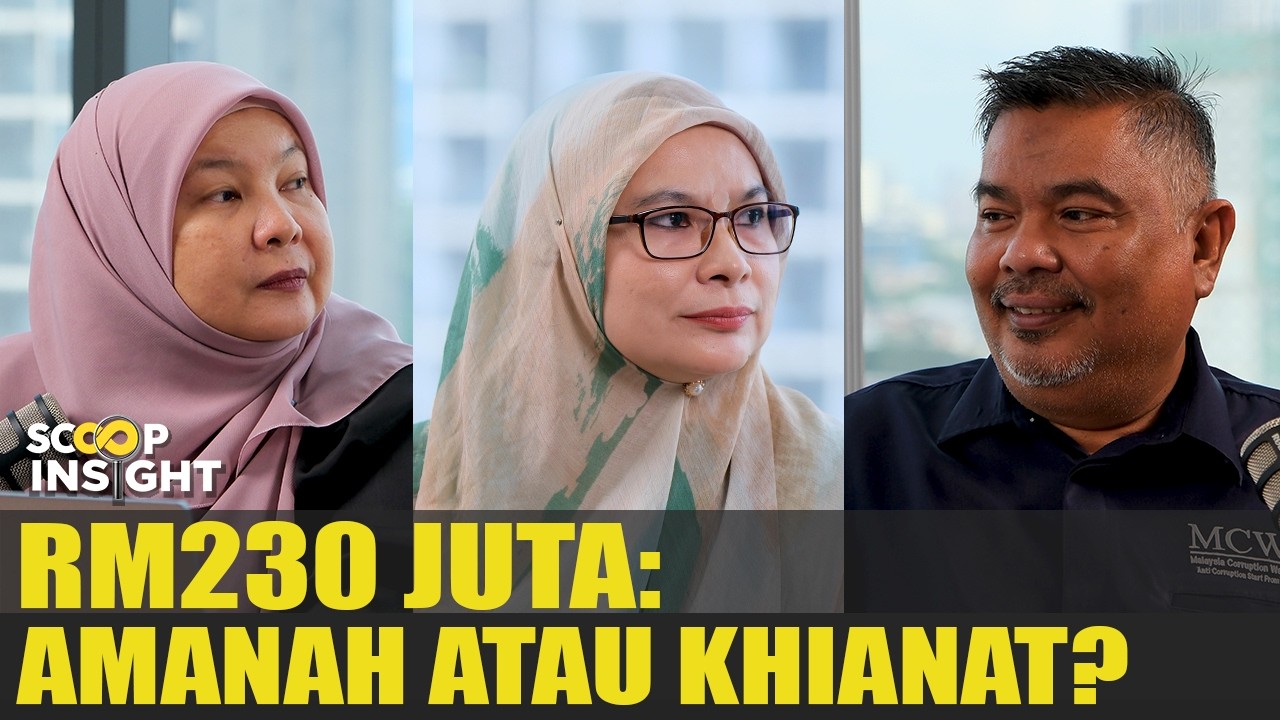

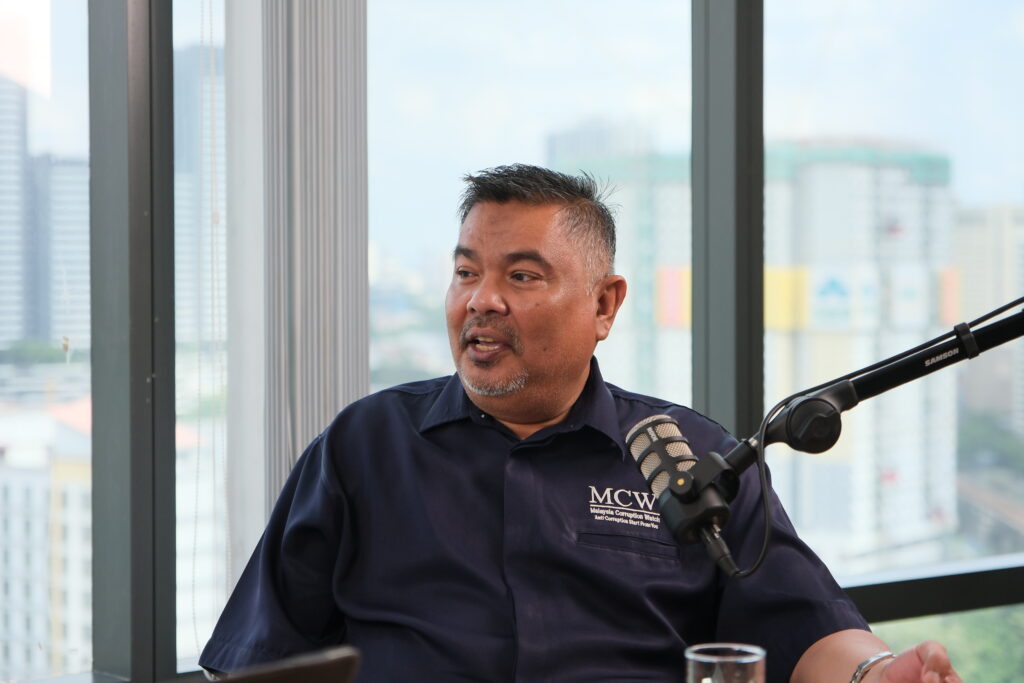
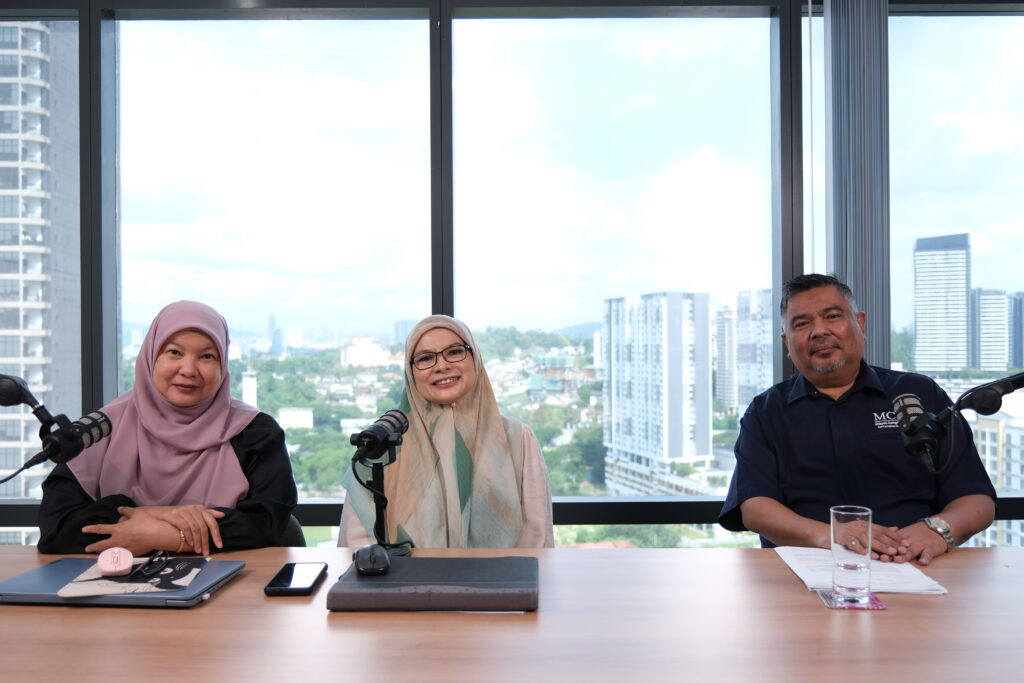
KUALA LUMPUR — The president of Malaysia Corruption Watch (MCW), Jais Abdul Karim, has urged religious institutions to take bold steps in implementing blockchain systems to ensure radical transparency in mosque fund management.
Speaking in a recent Scoop Insight podcast titled RM230 Million: Trust or Betrayal, he revealed that three states have already launched pilot projects with private companies, although bureaucracy at the district level remains a key obstacle.
“The impact of the blockchain system is very interesting… but when it was proposed to streamline it in one district, that district refused. The state had already implemented it, but the district said, ‘We don’t need to do it,’” he said.
QR codes exist, transparency does not
Jais stressed that mosques have already adopted QR codes for donation collection and even display monthly expenditure boards. However, the actual collection figures are still not publicly disclosed.
“Why don’t they declare it in WhatsApp groups? How many thousands were collected this month, how much was spent, how much was saved? There are still questions surrounding that,” he said.
He added that blockchain does not need to be complicated — a simple system that displays donation and expenditure data in real time would be sufficient.
Lessons from Caliph Umar
Linking the issue of transparency with Islamic history, Jais recalled that Umar ibn al-Khattab once said: “If I am wrong, correct me.”
“We often feel that becoming transparent makes religious institutions appear flawed. But we must remember that a system of checks and balances is a trust,” he said.
Corruption at a critical stage: Stage 4 cancer
During the same discussion, Jais described corruption in Malaysia as having reached a critical level.
“Corruption or abuse of power has reached stage-four cancer. People ask me if it can be eradicated. I say yes… when the sun rises from the west. That means we are already in a very bad state,” he said.
He stressed that a culture of integrity must be nurtured from a young age, with parents serving as role models instead of placing blame solely on teachers or educational institutions. – May 19, 2026