

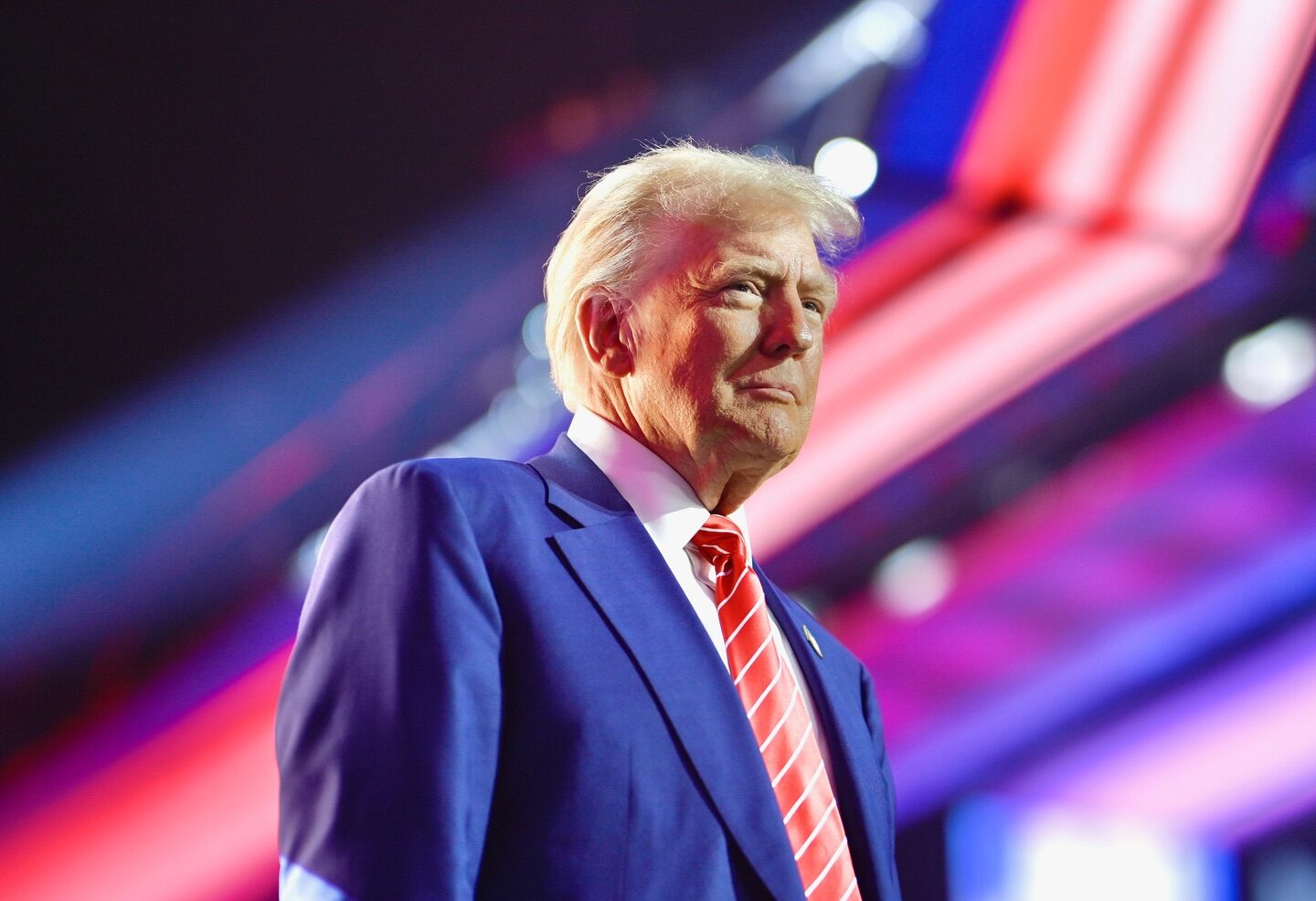

KUALA LUMPUR – The President of the United States, Donald Trump, has reportedly ‘invited’ Iran to take part in this year’s FIFA World Cup in North America, despite ongoing conflict in the Middle East, according to FIFA President Gianni Infantino.
The conflict, which escalated after US and Israeli strikes on February 28, has raised questions about Iran’s participation in the summer tournament, co-hosted by the United States, Mexico, and Canada.
During a meeting on World Cup preparations, Infantino said the discussions went beyond routine logistics to address broader concerns about global tensions and the safety of participating teams. He added that the situation involving Iran was also discussed.
“We also spoke about the current situation in Iran, and the fact that the Iranian team has qualified to participate in the FIFA World Cup 2026,” Infantino wrote on Instagram.
“During the discussions, President Trump reiterated that the Iranian team is, of course, welcome to compete in the tournament in the United States.”
This marks the first time Infantino has publicly commented on the ongoing conflict, which has heightened regional tensions and sparked international concern over security and player safety.
Notably, Infantino presented Trump with the FIFA Presidential Award for Peace in December last year, a move that drew mixed reactions from the global football community.
Iran’s football authorities have voiced doubts about attending the tournament. Mehdi Taj, President of the Iranian Football Federation, reportedly questioned the feasibility of sending a national team under the current circumstances.
His remarks followed reports that several female Iranian footballers defected during the Women’s Asian Cup in Australia, raising concerns about player morale and safety abroad.
“Given a World Cup like this, who would realistically send their national team to such a location?” Taj told state television, reflecting anxieties about the volatile political climate.
While FIFA insists all qualified nations are welcome, the situation highlights the broader challenge of organising global sporting events amid geopolitical crises. — March 11, 2026