

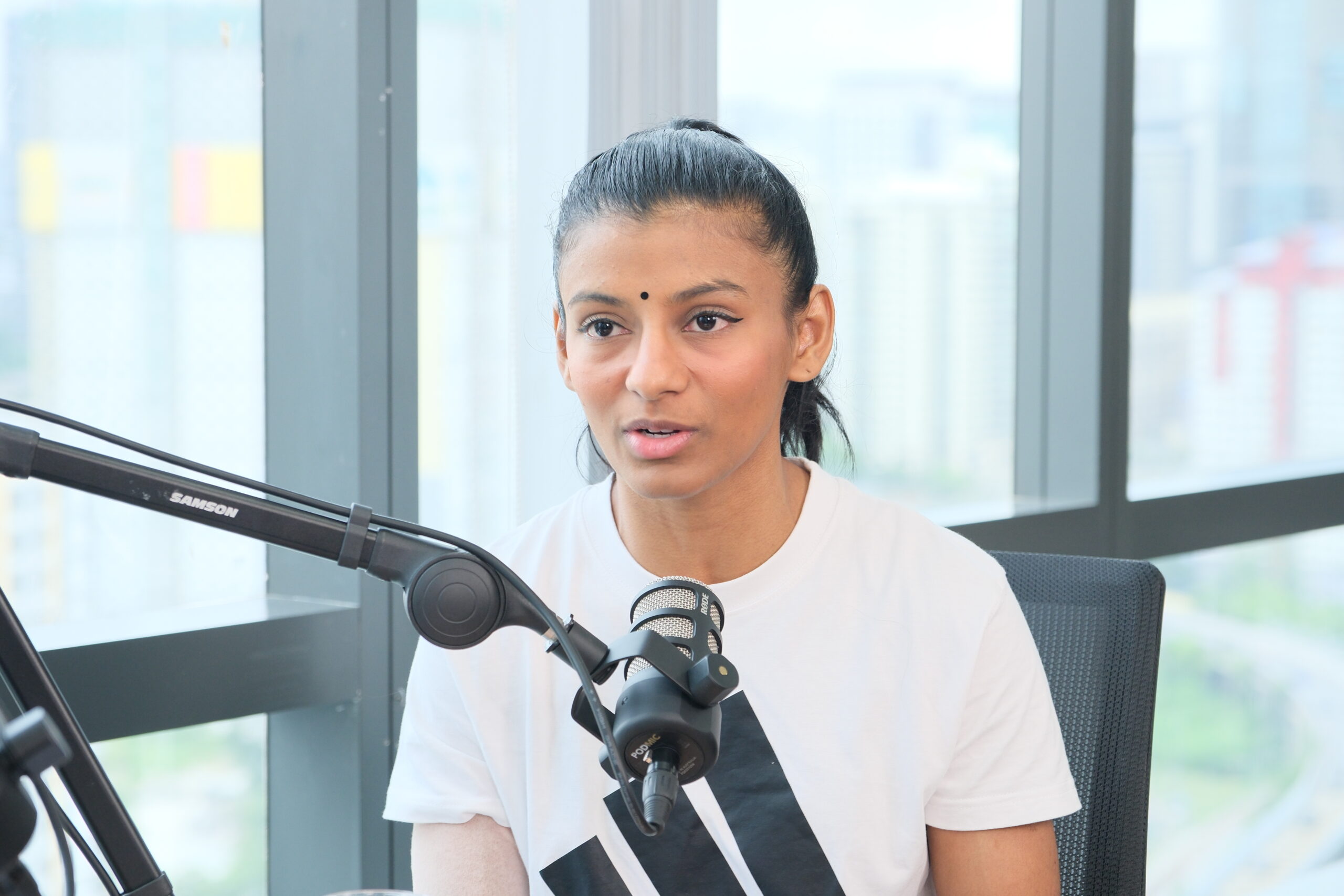

KUALA LUMPUR — National karate athlete Shahmalarani Chandran hopes karate will one day enjoy the same level of recognition as badminton in Malaysia, saying the sport has consistently delivered strong results on the international stage but remains underappreciated in the mainstream sporting landscape.
Speaking on Scoop’s Sport Check episode, Shahmalarani said Malaysian karate deserves greater visibility given its track record at SEA Games, Asian-level competitions and World Championships.
“I want my sport to be known. I want it to be celebrated,” she said.
“Because when I step into any competition or any stage, I want people to say, ‘Wow, karate’, and actually respect what we do. I’ve always seen how badminton gets that attention, and I hope one day karate can also reach that level.”
She said Malaysian karatekas have repeatedly proven themselves internationally, but the sport still lacks the cultural prominence and institutional support enjoyed by more mainstream disciplines.
At the same time, the 28-year-old Ipoh-born athlete also spoke about her plans beyond competitive sport, saying she hopes to remain involved in karate after retirement through mentoring and guiding younger athletes.
“I will definitely be contributing my best,” she said.
“I’m not sure yet if I will be full time as a coach, but I know I want to give back to the sport. This sport has given me everything — my discipline, my values, my mindset — so I feel responsible to pass that on in whatever way I can.”
She added that her long-term goal is to help shape the next generation of karate athletes, not only in performance but also in character development.
Shahmalarani said her commitment to karate goes far beyond medals, as the sport has shaped her identity and life values over more than a decade at elite level.
“The sport has given me life values, not just medals,” she said, highlighting discipline, respect, resilience and emotional control.
She also pointed to the importance of martial arts in today’s increasingly digital-driven generation, saying young people are spending less time in environments that build communication, discipline and adaptability.
“We are building a generation that is very attached to gadgets,” she said.
“But in karate, you learn from people. You learn from losses. You learn from experience. You don’t get that kind of learning from a screen.”
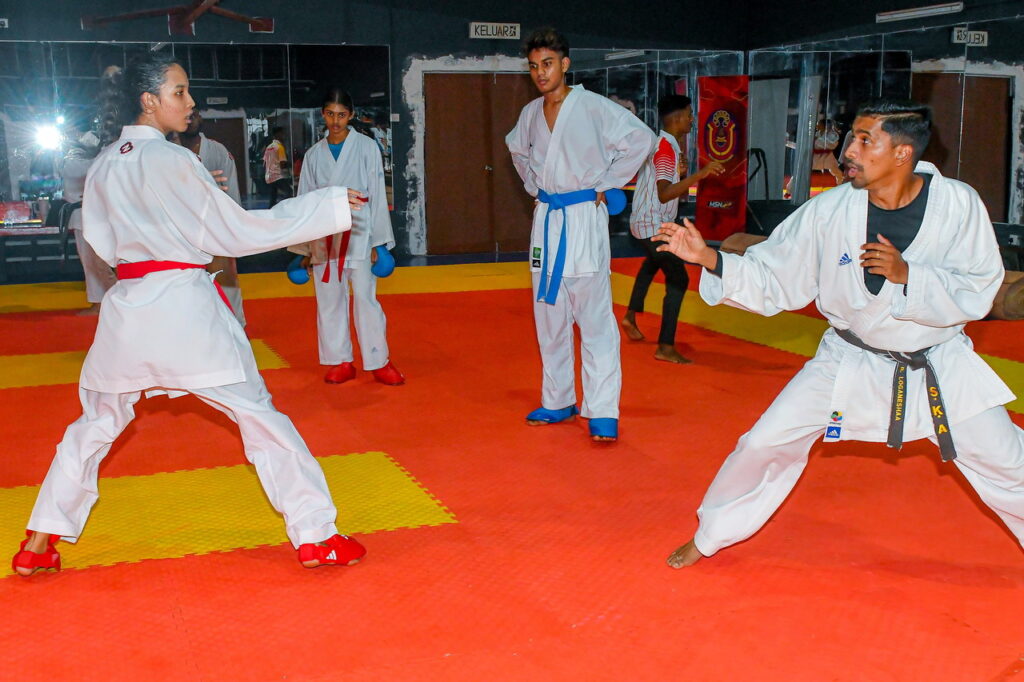
Shahmalarani explained that martial arts training helps children develop structured discipline, social interaction skills and respect through both victory and defeat.
“Acceptance is a very big thing,” she said.
“If you cannot accept losses or situations you cannot control, that is where life becomes difficult. Karate teaches you that early.”
She added that these experiences are crucial in building emotional resilience, particularly among young athletes still developing their character.
Beyond sporting performance, she said karate plays a broader role in preparing individuals for life by fostering confidence, independence and adaptability in unfamiliar environments.
“You travel, you communicate with people you don’t even know, sometimes in countries where you don’t speak the language,” she said.
“You learn how to survive and adapt. That is something very powerful, and it stays with you even outside sport.”
Shahmalarani stressed that karate should not be viewed purely as a competitive discipline, but as a long-term investment in personal development.
“It is not just about medals,” she said.
“It is about building a person in this life. If you can build a strong person, everything else will follow.”
She also urged parents to consider martial arts as part of their children’s development, especially amid growing concerns over excessive screen time among youth.
Shahmalarani is one of Malaysia’s most accomplished karatekas, having represented the country for more than a decade.
She is a multiple SEA Games gold medallist and a World Karate Championships silver medallist, and remains among Malaysia’s most successful karate athletes on the international stage. – June 7, 2026