

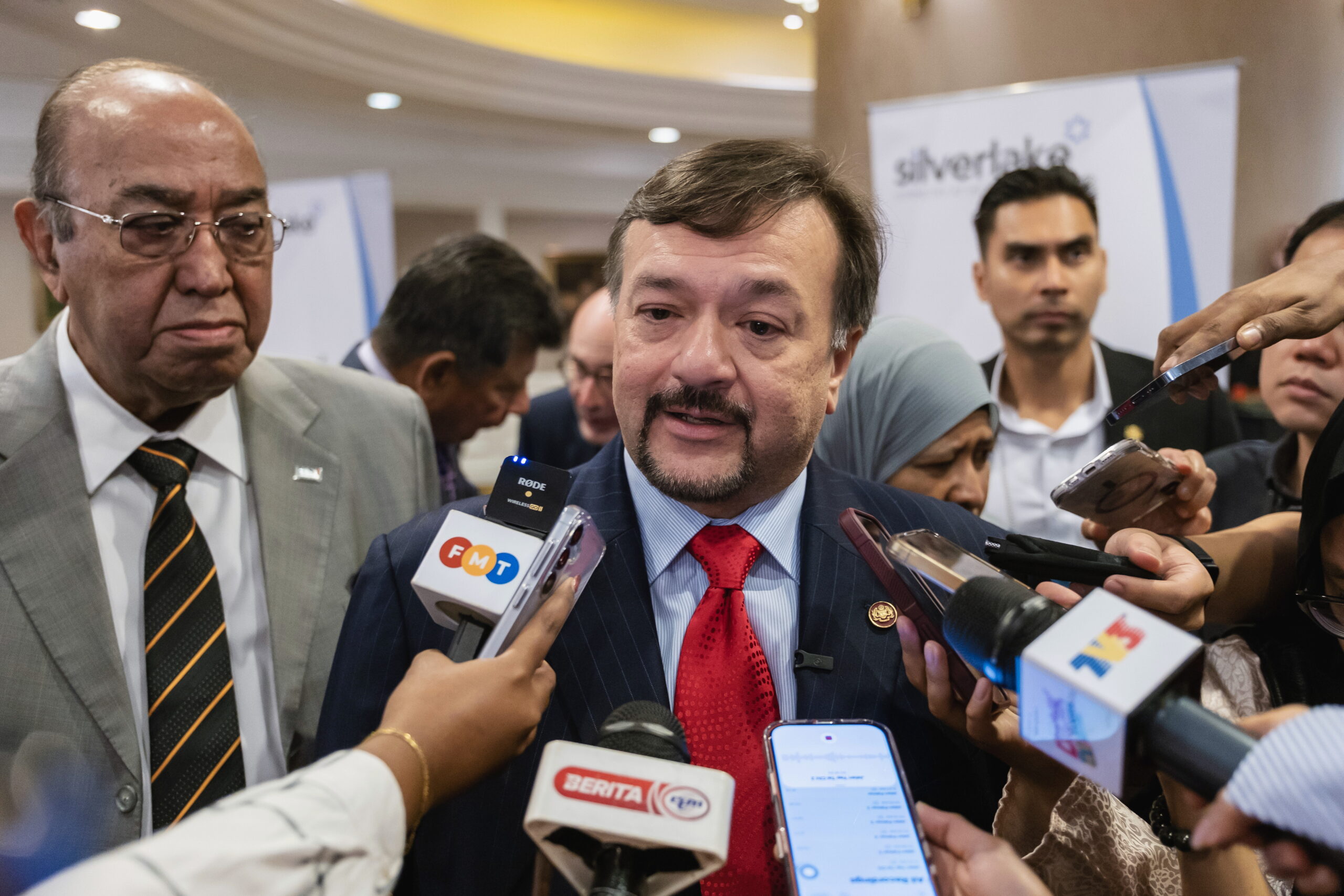
KUALA LUMPUR – Malaysia’s 5.2% economic growth last year is expected to shield the country from global uncertainties and support performance in the first quarter of 2026, said Finance Minister II Datuk Seri Amir Hamzah Azizan.
He highlighted that the ongoing Middle East conflict carries global repercussions, with energy prices influencing inflation and borrowing costs.
“However, for Malaysia, the government is managing the situation and monitoring developments in the Middle East very closely.
“Malaysia’s position as a net oil exporter places the country in a reasonable position despite oil prices surging above US$100 per barrel today,” he told reporters after attending the 2nd Asean Banking and Finance Summit, themed “Navigating Banking in a New Geoeconomic Era – Enhancing Trust, Technology, Talent, Transformation.”
Global oil prices have surged sharply following recent tensions in the Middle East, with Brent crude now trading at US$115.40 per barrel, compared with around US$70 per barrel a week ago.
“Malaysia’s economy grew 5.2% in 2025, exceeding our own forecasts. Domestic demand remains resilient and investment is surging, driven by multi-year infrastructure projects,” Amir Hamzah said.
He also noted that the country’s fiscal deficit is narrowing towards the three per cent target set under the Fiscal Responsibility Act, while the ringgit has strengthened.
On the RON95 petrol price, the minister said the government would aim to maintain the subsidised price at RM1.99 per litre for the next two months.
“This is because we have the capacity to do that. However, for the open market, the current (global) price will reflect the price being transmitted through,” he said.
When asked whether a higher subsidy bill could be offset by increased petroleum revenue or whether Petroliam Nasional Bhd’s dividend would rise due to higher oil prices, Amir Hamzah said it was too early to tell.
“This is still in the early days, but the key is for us to make sure that we secure a steady supply,” he said, assuring that oil supply in the country remains stable with no disruptions expected.
In his keynote speech, Amir Hamzah emphasised that the escalating geopolitical conflict involving the United States, Israel and Iran has grown from a contained crisis into a regional conflict with global consequences.
He said retaliatory strikes across the Gulf indicate mounting instability, with immediate effects on the financial sector and the broader global economy.
“Energy prices feed directly into inflation, borrowing costs and the credit risk calculations that banks make every day.
“Supply chain disruptions also affect the borrowers that banks finance,” he said.
The minister added that geopolitical instability could reshape multinational corporations’ investment appetite in countries such as Malaysia.
“When energy routes are threatened and trade corridors become contested, every economy in Asean feels the impact,” he said. – March 9, 2026