

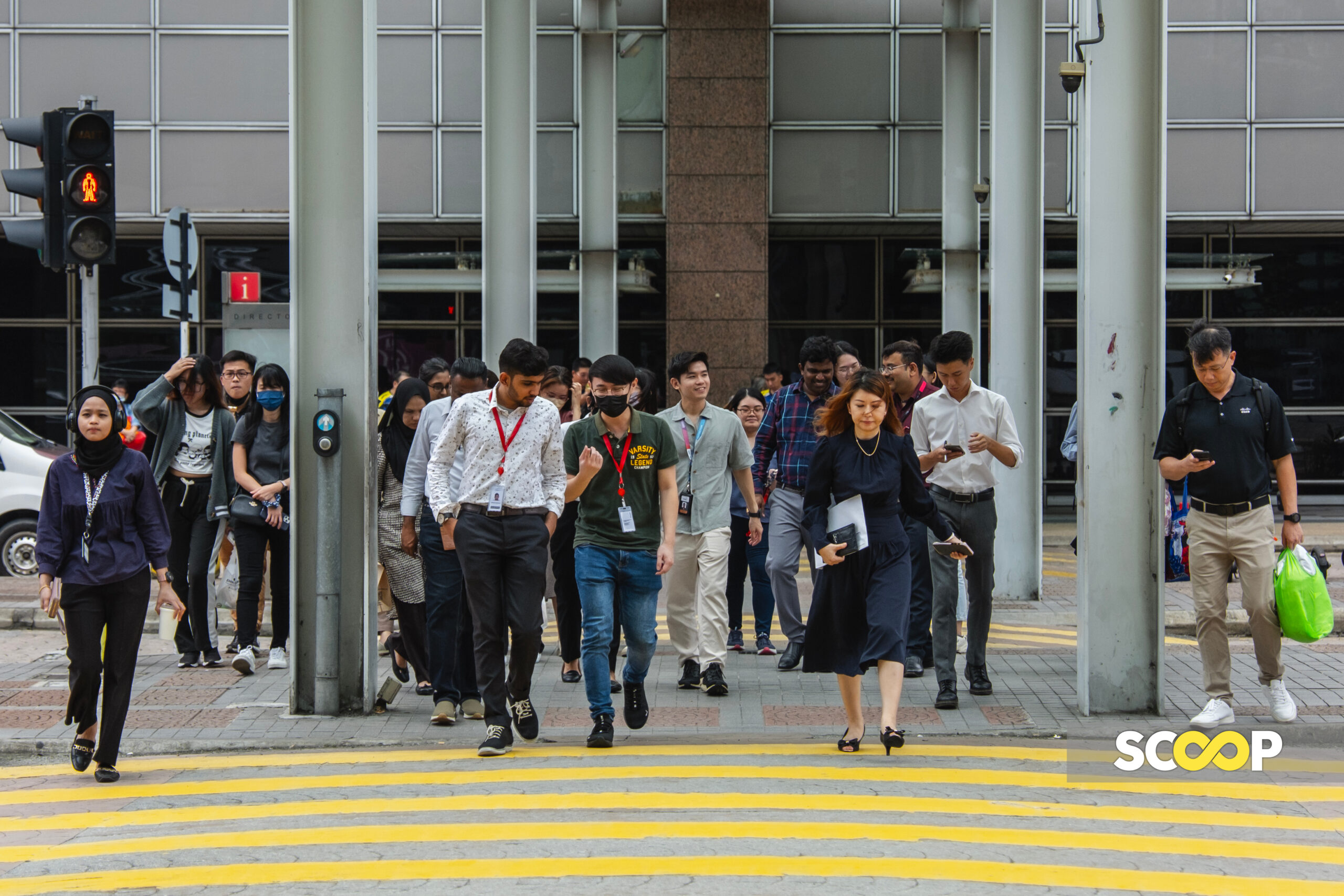
PUTRAJAYA — Employers can implement Flexible Work Arrangements (FWA) to reduce the impact of rising energy costs, the Human Resources Ministry (Kesuma) said.
The move can also help strengthen organisational resilience and support sustainable economic growth, the ministry urged the private sector.
It said employers should assess the suitability of adopting FWA based on operational needs, including work-from-home (WFH), flexible working hours, job rotation or hybrid models.
“Kesuma believes that implementing FWA offers comprehensive benefits to both employers and employees, particularly in the context of rising energy costs driven by geopolitical tensions and the reliance on daily commuting,” the ministry said in a statement, adding that such arrangements can help optimise resource usage and also promote work-life balance for employees.
The call follows a recent suggestion by Prime Minister Anwar Ibrahim urging the private sector to adopt work-from-home practices, as already implemented by several companies and financial institutions.
FWA provisions have been introduced through amendments to the Employment Act 1955, which came into force on Jan 1, 2023.
Under Sections 60P and 60Q of the Act, employees are allowed to apply for flexible working arrangements, including adjustments to working hours, days and workplace location.
The ministry stressed that employers implementing FWA must not reduce statutory employee benefits such as overtime pay, rest days, public holiday entitlements, annual leave and sick leave.
The Department of Manpower Peninsular Malaysia (JTKSM) has also issued the 2024 FWA Implementation Guidelines to assist organisations in adopting structured and sustainable flexible work policies.
Employers can also obtain further information or participate in related initiatives via TalentCorp’s FlexWorkLife platform at [email protected] or by visiting www.flexworklife.my. – March 27, 2026