

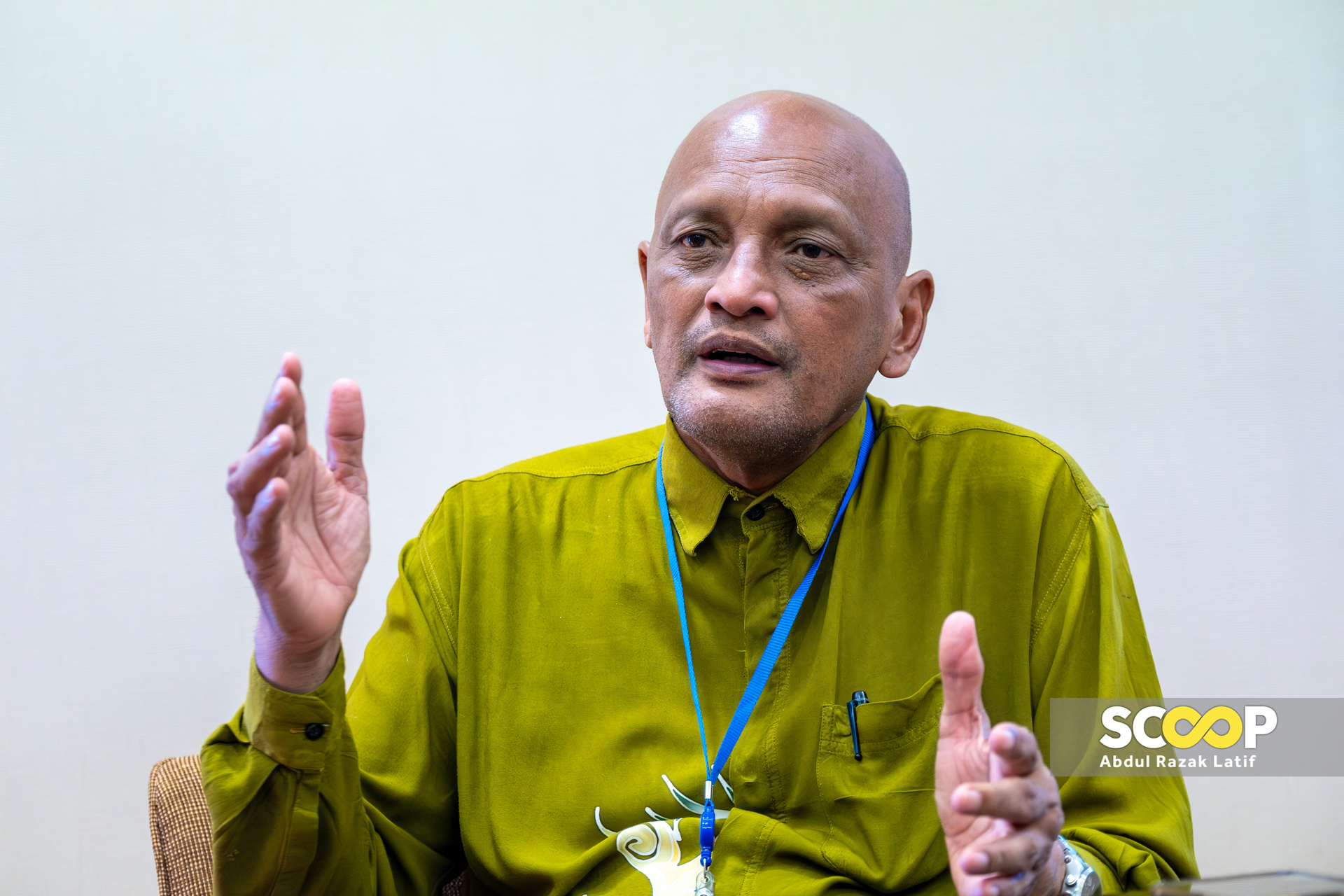
KUALA LUMPUR – The corporate-style CEO and deputy CEO model for Harimau Malaya has come under intense scrutiny, with senior football analyst Datuk Dr Pekan Ramli saying that the national men’s football team does not need such positions, a point he says has been proven by the team’s past performance.
Speaking to Scoop, Pekan warned that the structure risks slowing down decision-making, adding unnecessary bureaucracy, increasing costs, and diverting focus from the team’s core objective: improving technical quality, tactical preparation, and player development.
Since the adoption of the new management setup, reportedly under the purview of the Football Association of Malaysia (FAM), Harimau Malaya has been mired in controversy, most prominently the heritage players scandal.
Pekan highlighted that CEO Rob Friend had denied holding the title during FIFA’s investigation into alleged document falsification concerning player eligibility.
“In the aftermath of the FIFA storm, many discovered that Friend was not even based in Malaysia,” Pekan said.
“He was allegedly working remotely from his hometown in Canada. That shocked us. A CEO of an organisation, paid God knows how much, only working online? This isn’t the COVID era anymore. For Harimau Malaya, you must be with the team. You must always be here, especially with so many issues happening.”
The remote working arrangement, he said, has fuelled widespread anger among supporters, many of whom openly questioned how such a setup was ever allowed.
“For a national team, being physically present is essential. You cannot manage the critical decisions, oversee preparations, or handle daily challenges from overseas,” he said.
Further aggravating the issue, Pekan noted that Friend had informed FIFA investigators that he was not actually the Harimau Malaya CEO, but merely a consultant.
“That was extremely upsetting. FAM needs to look into this properly and explain it. With everything that has happened, I don’t see any grounds left to defend these people. But ultimately, the final decision is for the national football management,” he said.
Pekan also questioned the role of Deputy CEO Stanley Bernard, saying that until recently it was unclear what his actual function was.
“Only lately have we seen his real function. It seems he has been acting more on behalf of the CEO and handling things on the ground with Harimau Malaya. Essentially, Stanley has been carrying most of the responsibilities,” he said.
The senior lecturer at UiTM’s Sports Science and Recreation Faculty also drew a comparison with Jurgen Klinsmann’s tenure in South Korea, where the German coach was heavily criticised for operating like a part-time coach working mostly online.
“The principle is the same,” he said. “In football, it’s not practical. Everyone in the team must be present, because so many decisions are made daily. And we saw another mistake during the CAFA Nations Cup incident.”
Pekan was referring to Harimau Malaya’s last-minute withdrawal from the tournament last year, which damaged relations with the Central Asian Football Association (CAFA).
“That was a mistake by the CEO. CAFA had informed us well in advance about the match location and player availability. But we still pulled out at the last minute, forcing us to prepare only for Palestine and Singapore. That should never have happened, especially from someone supposedly experienced. In the end, FAM became the victim,” he said.
Beyond the recent scandals, Pekan expressed concern that the CEO structure adds layers of administration that could slow decisions and create accountability issues.
He said that the CEO and deputy CEO, operating outside Malaysia, face challenges understanding the local football culture, politics, and grassroots development — critical elements that shape player mentality, team motivation, and overall squad cohesion.
“The reality is that the national coach (Peter Cklamovski) must retain full autonomy over technical and tactical decisions, including player selection and match strategies. A CEO interfering in these areas is a recipe for confusion, conflict, and weaker performance,” he said.
“FAM should focus on logistics, facilities, and long-term planning, while the coach drives technical development. That is how a national team succeeds.”
Datuk Pekan also addressed cost efficiency, arguing that the CEO model inevitably increases management expenditure without guaranteeing better results.
“FAM officials already have the expertise to manage the team’s operations, provided they delegate wisely. A CEO adds costs, slows decisions, and risks creating unnecessary bureaucracy,” he said.
He acknowledged that the intention behind a CEO could be to professionalise team management and improve strategic planning, but warned that the model must be carefully implemented and closely monitored.
“Without proper oversight, it risks creating friction between the CEO, FAM, and coaching staff, which could undermine morale and performance. A CEO must understand the nuances of local football to avoid making mistakes that could impact the team,” he said.
Looking ahead, Pekan stressed that the national team’s priorities must remain firmly on professional coaching, systematic youth development, and establishing a consistent playing philosophy.
“The CEO can assist with administration, but the real power must remain with the coach and FAM to ensure Harimau Malaya achieves long-term success. Focus must be on the players, tactical continuity, and building a strong Malaysian football identity,” he said.
“While the corporate-style CEO structure is intended to professionalise the team, it must be implemented properly. If mismanaged, it will add bureaucracy, slow decision-making, and weaken Harimau Malaya’s progress. The priority must always be the players, the coaches, and the systematic development of Malaysian football at every level.” – April 7, 2026