


KUALA LUMPUR — Prime Minister Datuk Seri Anwar Ibrahim’s government must do more to communicate its reform achievements, with two returning PKR veterans warning that poor messaging is allowing significant changes to go unnoticed by the public.
Former PKR vice-presidents Tian Chua and Dr Xavier Jayakumar said the administration had made considerable progress on reforms but had failed to communicate those achievements effectively, creating a perception that little had changed.
Speaking on the latest episode of Trick Lama, a podcast co-hosted by Big Boom Media Group chief executive officer Datuk Zainul Arifin, Group Editor-in-Chief Terence Fernandez and Group Executive Director Datuk “Rocky” Ahiruddin Attan, the two veterans said the government needed to sharpen its communication strategy.
Xavier said the administration should take greater ownership of its achievements instead of allowing others to define its record.
“The messaging is not there. Though we have done quite a bit,” he said.
He said the failure to communicate the government’s achievements had contributed to a disconnect between what was being done within the administration and what Malaysians perceived.
“The messaging on reform that has been done, like you were telling me, you were telling us about what’s done, is not communicated outside,” he said.
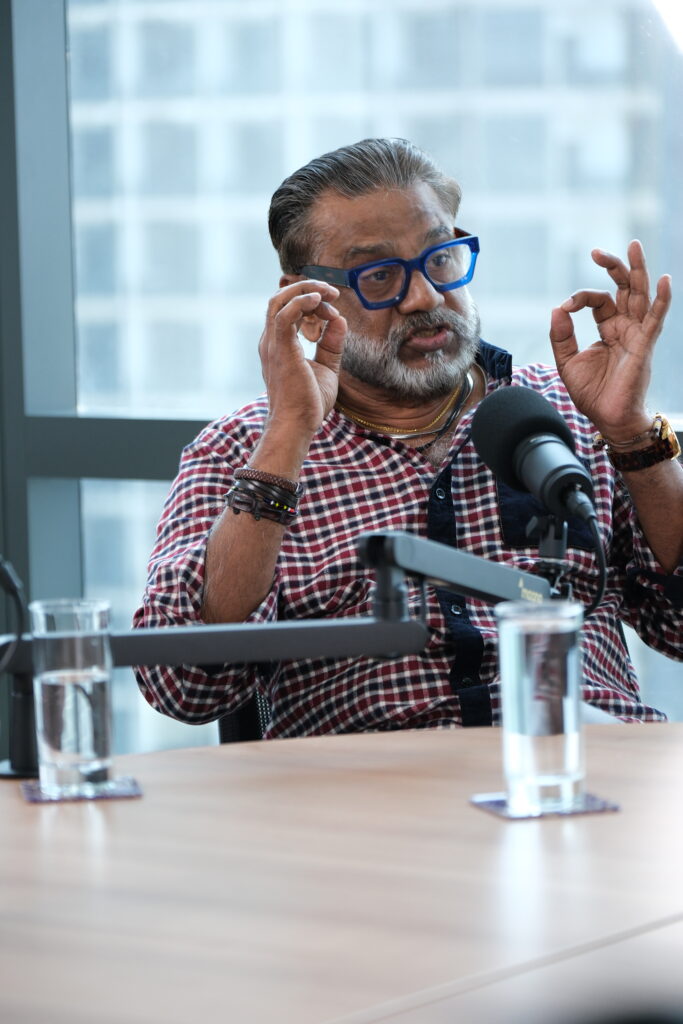
Xavier said this was particularly evident in the government’s work in Sarawak, where he believed major initiatives had not received sufficient attention.
“Somebody from Sarawak came and said that this government has done stuff for Sarawak, big things for Sarawak, which this government does not take credit for,” he said.
At the same time, Tian Chua agreed there was a mismatch between governing and communicating, saying those in government now had to divide their attention between implementing policies and explaining them to the public.
“Maybe in their position, running government is a full-time job. So messaging, like last time, messaging is a full-time job,” he said.
He said former leaders could potentially help address the communication gap following their return to PKR.
“So I agree there’s a mismatch there. Hopefully, we can help, and we can try to rectify the situation. And that’s probably our contribution,” he said.
However, Tian Chua said the problem was not confined to individual policies but also extended to how the government presents its wider reform agenda.
He argued that Malaysians should recognise some of the political and institutional changes taking place as evidence of reform.
“Reform is going on. The only thing is to brand it as reform,” he said, citing the fact that former prime ministers could now face legal proceedings as an example of how Malaysia’s political landscape had changed.
“Three prime ministers in court, the government should claim credit for it,” Tian Chua said, arguing that the government should be more confident in highlighting institutional developments taking place under its administration.
He also pointed to Malaysians’ ability to openly criticise the government and participate in demonstrations as another example of how the country had changed since the early years of Reformasi.
“Legal assembly. So all these things are part of the entire reform process,” he said.
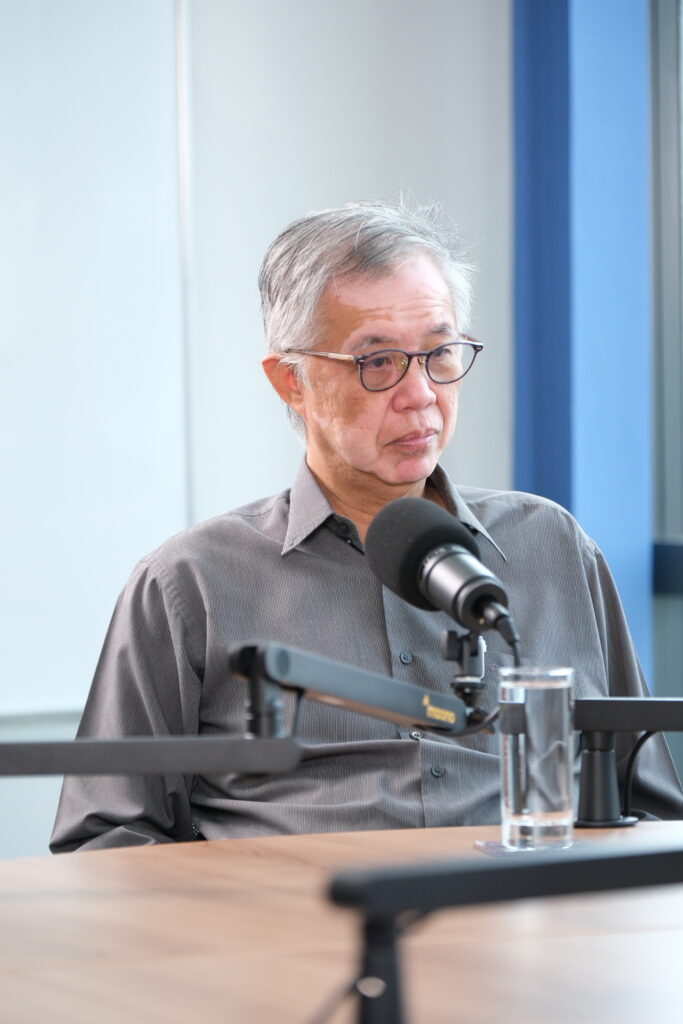
Tian Chua said the government needed to recognise that reform was a continuous and sometimes messy process, rather than something that could be completed within a single administration.
“This reform is a messy and ongoing process. It’s never enough,” he said.
“You can’t satisfy everyone. In governance, you must know that you can’t satisfy everyone. For me, the more important thing is to create room for everyone’s voice to be heard,” he added.
He said the government should continue expanding public discourse while deciding which demands could realistically be implemented, adding that greater public engagement was itself part of the reform process.
Xavier, meanwhile, said the government’s reform agenda also needed to be viewed within the realities of coalition politics, where competing interests require compromise.
“In politics, it’s always a compromise. Whichever angle you take, there’s always a pragmatic approach, and you have to make it work,” he said.
The two veterans said better communication would be crucial if the government wanted Malaysians to understand the significance of the changes being implemented, rather than judging its performance solely through day-to-day political disputes. — September 4, 2026