

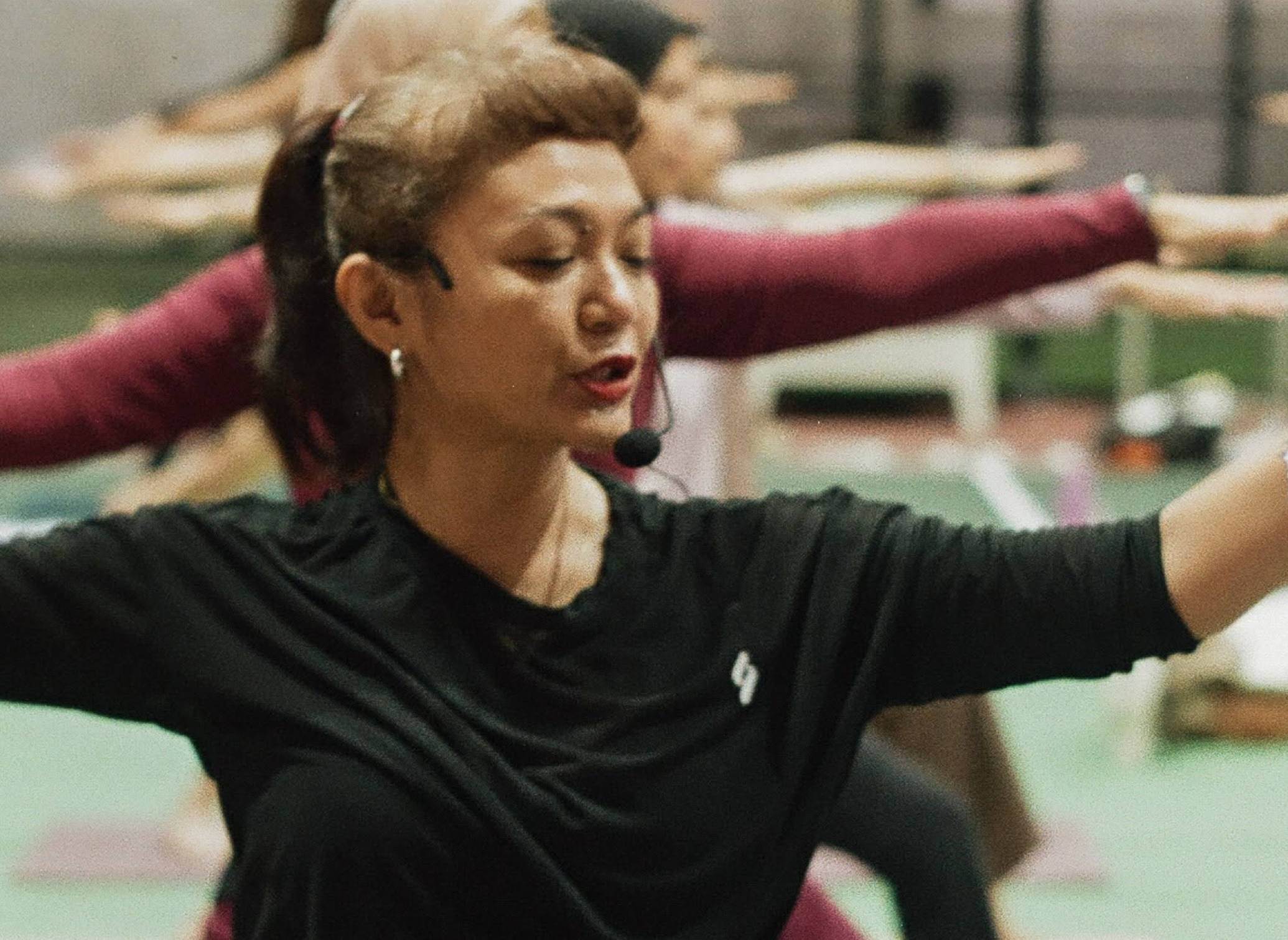
KUALA LUMPUR — Yoga should not be seen as a replacement for prayer, faith or a Muslim’s relationship with Allah, says singer and yoga instructor Atilia Haron, who believes the practice can form part of maintaining the health and strength entrusted to the body.
Speaking to Scoop, Atilia said yoga, when practised as physical movement, stretching, breathing and relaxation without religious rituals or beliefs, could contribute to physical and mental wellbeing while remaining consistent with a person’s faith and values.
“Yoga does not replace prayer, faith or our relationship with Allah. In fact, taking care of our health can be part of appreciating the body and strength that Allah has entrusted to us,” she said.
Atilia, a familiar voice in Malaysia’s music scene, has also built a name for herself as a yoga instructor and wellness advocate, having practised yoga for more than two decades.
She has since incorporated her experience into teaching, using yoga and wellness to help others improve their physical and mental wellbeing.
Atilia said her experience with yoga had brought benefits including improved breathing, flexibility, strength, balance, posture and mobility.
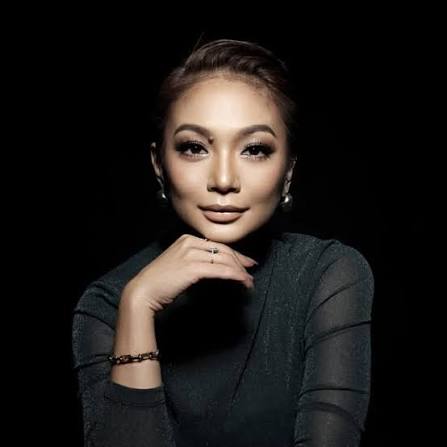
The 51-year-old artist said the practice had also helped her release tension, calm her nervous system and become more aware of her body.
“For me, yoga is about moving with awareness, breathing with intention and creating space for greater physical and mental wellbeing,” she said.
Her remarks come after the Department of Islamic Development Malaysia (JAKIM) recently reiterated that yoga should not be viewed simply as an exercise involving stretching, sitting and breath control, warning that certain forms can incorporate philosophical, ritual or religious elements.
The issue has also drawn renewed attention from the Federal Territory Mufti’s Office, which said the 2009 Federal Territory fatwa remains applicable to yoga that combines physical practices with religious elements, mantras or worship.
In its latest Tinta Mufti, the office stressed that physical movements performed without such religious elements are not automatically subject to the same ruling, while urging Muslims to be cautious about practices that could involve beliefs or rituals contrary to Islamic teachings.
The latest debate was sparked by a viral social media video involving yoga and a reference to learning the practice at Shiva Yoga Peeth in Rishikesh, India, prompting renewed discussion over whether yoga can be separated from its religious and spiritual origins.
Atilia said the way yoga is practised was important, particularly when distinguishing physical exercise from religious practices.
“For me, the answer depends on how yoga is practised and the intention behind it,” she said.
She said yoga could involve physical movement, stretching, breathwork and relaxation without incorporating mantras, worship, meditation directed towards another religion or religious rituals.
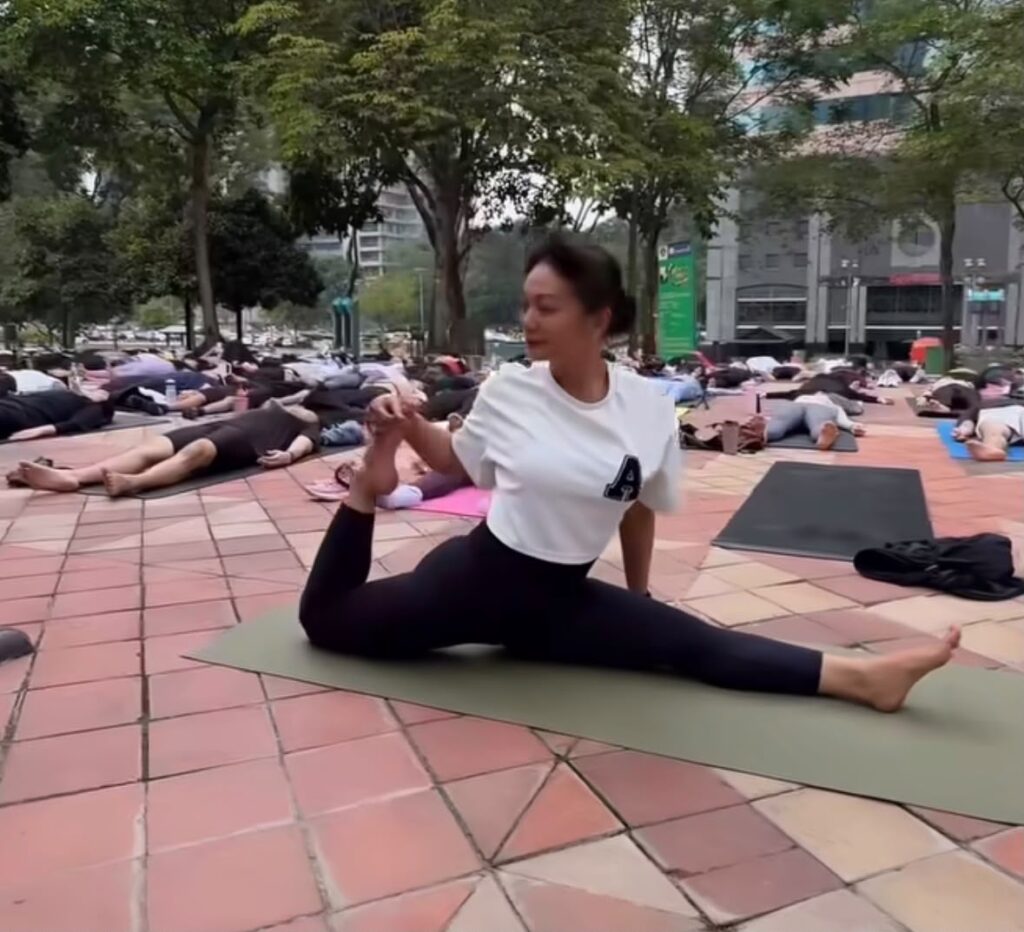
“When we leave out mantras, worship, meditation directed towards another religion and religious rituals, yoga becomes a wellness practice, not a religious practice,” she said.
Atilia said her long experience with yoga had allowed her to view the practice primarily through its physical and wellness benefits.
She maintained that taking care of one’s physical health should not be seen as being at odds with faith, adding that her approach was to practise yoga while remaining conscious of her religious beliefs and personal values.
“And all this while we stay true to our faith and our values,” she said. – September 9, 2026