


KUALA LUMPUR – Foreign digital service providers such as Netflix, Apple, Microsoft, and Google are now required to collect and remit service tax when their services are used by Malaysian customers.
This is part of the Service Tax on Digital Services (SToDS), a policy that has seen steadily increasing revenue since its implementation.
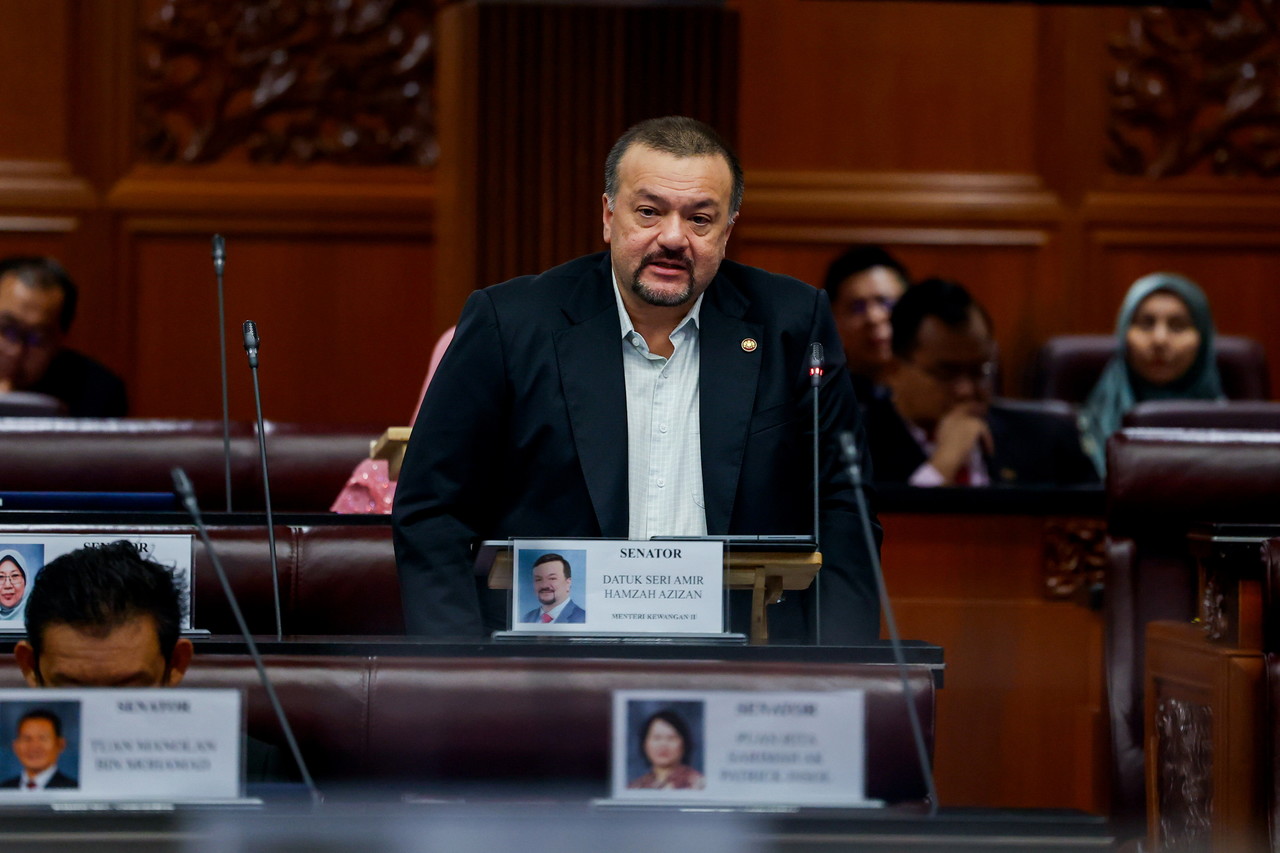
Finance Minister II Datuk Seri Amir Hamzah Azizan said that SToDS contributed RM1.62 billion in revenue in 2024, up from RM802 million in 2021. The tax ensures that foreign service providers are subject to the same tax responsibilities as local companies, promoting a level playing field within Malaysia’s digital marketplace.
“This effort ensures that foreign service providers bear tax responsibilities equivalent to local providers, thereby creating a fair market environment within the digital ecosystem,” he said in the Dewan Rakyat.
The service tax on foreign digital services has consistently risen, from RM802 million in 2021, RM999 million in 2022, to RM1.15 billion in 2023. The projected RM1.62 billion in 2024 marks a significant increase, reflecting the growing volume of digital transactions.
Additionally, the Low Value Goods (LVG) Tax was introduced to address the disparity between locally produced and imported goods. The tax was imposed on low-value imported goods, which previously escaped taxation, putting local businesses at a disadvantage. The LVG tax generated RM476 million in 2024, and the minister stressed that the tax promotes fairness for both domestic and imported products.
“LVG ensures that all goods, whether domestic or imported, are treated equally, creating a more level playing field for local businesses,” Amir Hamzah explained.
The Finance Minister also clarified that Malaysia does not provide sales tax exemptions for goods imported through foreign online platforms. Only items listed under the Sales Tax (Goods Exempted From Sales Tax) Order 2025 are eligible for exemptions, regardless of their origin.
“The exemption applies solely to items listed under the Sales Tax Order 2025, regardless of whether they are imported or locally produced,” he added.
This approach aims to close the revenue gap that existed due to the exclusion of digital services and cross-border transactions from the national tax system. By expanding tax coverage, the government aims to support domestic businesses while ensuring fair competition based on product quality, value, and service, rather than price alone.
The government’s measures in both the digital and physical goods markets aim to ensure that local businesses remain competitive, while consumers continue to benefit from a fairer, more transparent digital economy. – November 25, 2025