

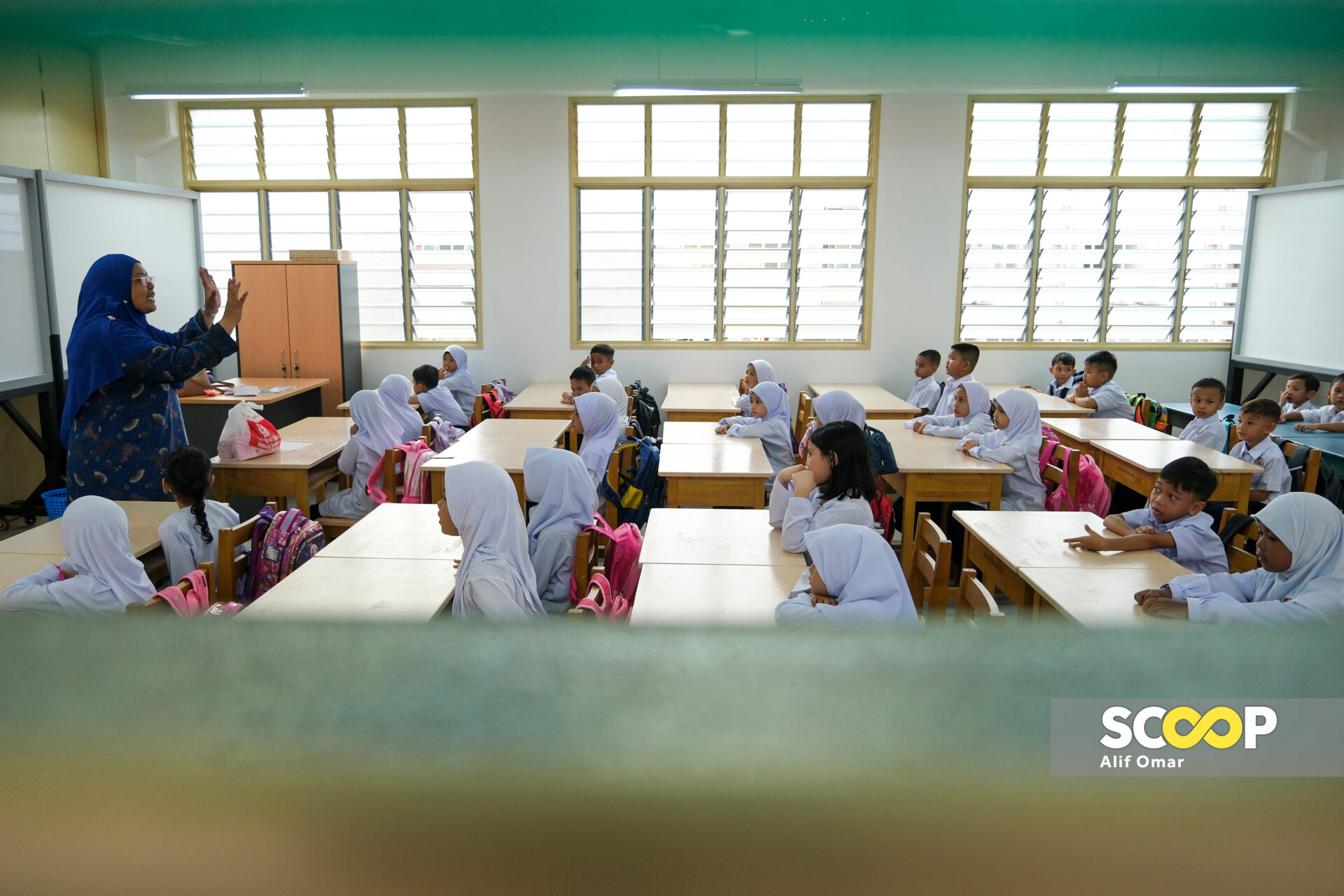

KUALA LUMPUR – The Parent Advocacy Group for Education (PAGE) has cautioned that children from lower-income or rural backgrounds risk falling behind under proposed school entry reforms if they lack access to quality preschool education.
PAGE’s warning follows the unveiling of the National Education Plan 2026–2035 by Prime Minister Datuk Seri Anwar Ibrahim, which aims to reshape Malaysia’s education system over the next decade.
Among the proposed reforms are lowering preschool entry to age five, raising Primary One entry to age six, and introducing a standardised assessment for Year Four pupils to track learning outcomes earlier.
The blueprint also proposes transferring Form Six and matriculation programmes to the Higher Education Ministry, expanding free education initiatives, upgrading polytechnics and community colleges, and placing greater emphasis on values, reading culture, and digital literacy.
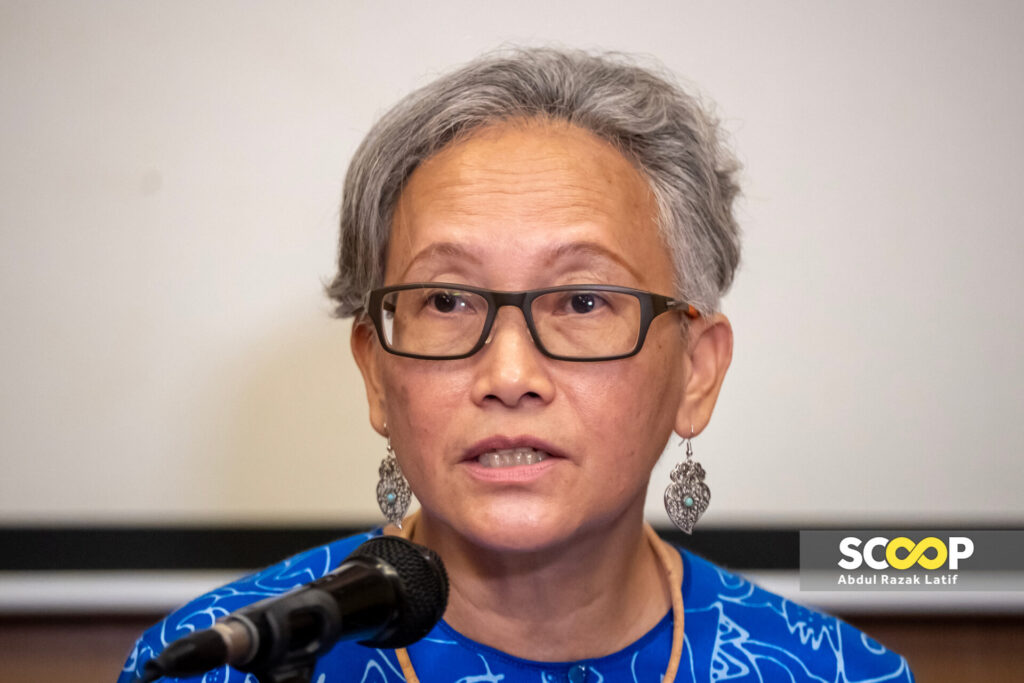
Speaking to Scoop, PAGE chairperson Datin Noor Azimah Abdul Rahim said the reforms could bring benefits if implemented with adequate support, but stressed that underlying disparities must first be addressed.
“Early childhood education is critical, but policies must ensure that no child is left behind simply because of where they live or their family’s financial situation,” she said.
“Without proper bridging measures, such as subsidised pre-primary programmes in rural areas and community support for low-income families, these reforms could widen the very gaps they aim to close.”
Azimah also warned that optional or flexible entry policies often favour families with greater resources.
“When entry ages are flexible, it is often those with more means who can take advantage of early schooling or enrichment programmes, while children in underprivileged communities may face delays or limited access,” she added.
The parent group further urged the government to account for hidden education costs.
“Even if preschool and primary education are officially free, families still face expenses such as transport, uniforms, learning materials, and digital devices,” she said.
“Comprehensive support measures are needed to make free education truly inclusive.”
PAGE welcomed the blueprint’s emphasis on values and reading culture but stressed that effective implementation would be key.
“Embedding moral values and fostering a love of reading are commendable goals, but without proper teacher training, funding, and monitoring, these initiatives risk becoming mere slogans,” Azimah said.
“Success in ten years would mean smaller learning gaps, supported teachers, and curious, resilient students.
“Failure, on the other hand, would mean increased pressure, earlier inequality, and disengaged learners.”
Meanwhile, Education Minister Fadhlina Sidek was reported as saying that a special diagnostic screening will be introduced from 2027 to determine the eligibility of six-year-old children to enter Year One.
Only pupils who meet the criteria and pass the screening will be selected for early admission. Parents will be required to register their children for the assessment, and entry at age six will not be mandatory for all pupils. — January 22, 2026