

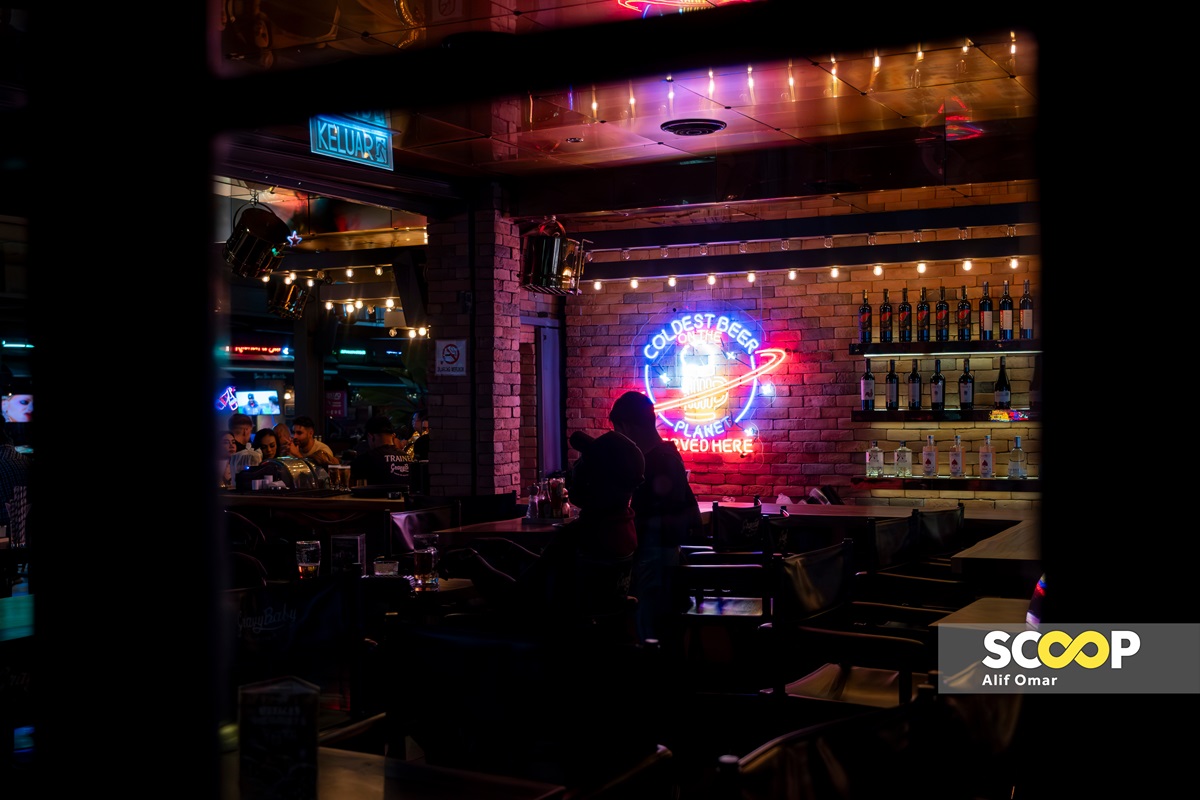

KUALA LUMPUR – Bar operators in Bangsar are expected to record revenue growth of between 30 and 60 per cent during the FIFA World Cup 2026 period, with businesses rolling out special campaigns, extending operating hours, and preparing for large match-day crowds following the government’s move to secure nationwide broadcasting access.
The upbeat outlook comes after Communications Minister Datuk Fahmi Fadzil confirmed that Unifi TV, in collaboration with Radio Televisyen Malaysia (RTM), will broadcast the tournament in Malaysia.
A RM24 million government allocation, supplemented by private sector partnerships, has been committed to ensure the World Cup is accessible, legal and inclusive across platforms nationwide.
Speaking to Scoop, Bangsar Commercial leader Joshua Devarajoo said the decision provides much-needed certainty for the hospitality sector, which relies heavily on major sporting events to drive footfall and revenue.
“The World Cup is one of the world’s most commercially significant sporting events.
“Historically, we see a noticeable increase in revenue across bars in Bangsar, with customer spending time increasing significantly during match screenings — with operators typically recording growth of around 30 to 60 per cent,” said Joshua, who also owns one of Bangsar’s oldest bars, Bilique.
“With proper broadcasting access now secured, operators have the certainty needed to plan marketing activities, staffing and customer engagement initiatives well in advance.”

He added that many operators are already preparing themed promotions, viewing packages, beverage collaborations and extended operating hours where permitted, all aimed at maximising customer engagement throughout the tournament.
Joshua said legal and stable broadcast access is critical for operational planning, particularly for venues that depend heavily on live sports to attract crowds.
“It is extremely important. Legal and accessible broadcasting ensures consistency, broadcast quality and operational confidence for businesses,” he said, adding that Bangsar remains one of Kuala Lumpur’s key nightlife and entertainment hubs.
He noted that matches involving globally supported teams such as England, Brazil, Argentina, Portugal and France typically draw the biggest crowds, especially during weekend and prime-time fixtures.
Beyond direct bar revenues, Joshua said the spillover effect of the tournament would benefit surrounding businesses, including restaurants, transport operators, convenience stores and retail outlets, all of which typically see increased activity during major football events.
However, he stressed that a stable and high-quality broadcast experience remains essential, particularly during high-stakes knockout matches where customer expectations are significantly higher.
“Even minor disruptions can affect customer experience and venue reputation. In this industry, seamless live coverage is absolutely essential,” he said.
While acknowledging the rise of home streaming options, Joshua said many customers still prefer watching matches in bars for the atmosphere and communal experience.
“The energy of a live crowd remains difficult to replicate at home,” he said.
Looking ahead, he expressed optimism that the 2026 edition could outperform previous tournaments, citing increasingly experience-driven consumer behaviour and strong demand for social viewing environments.
This year’s World Cup will feature an expanded 48-team format, up from 32, with a total of 104 matches staged across three host nations — the United States, Canada and Mexico from June 11 to July 19. – May 8, 2026