

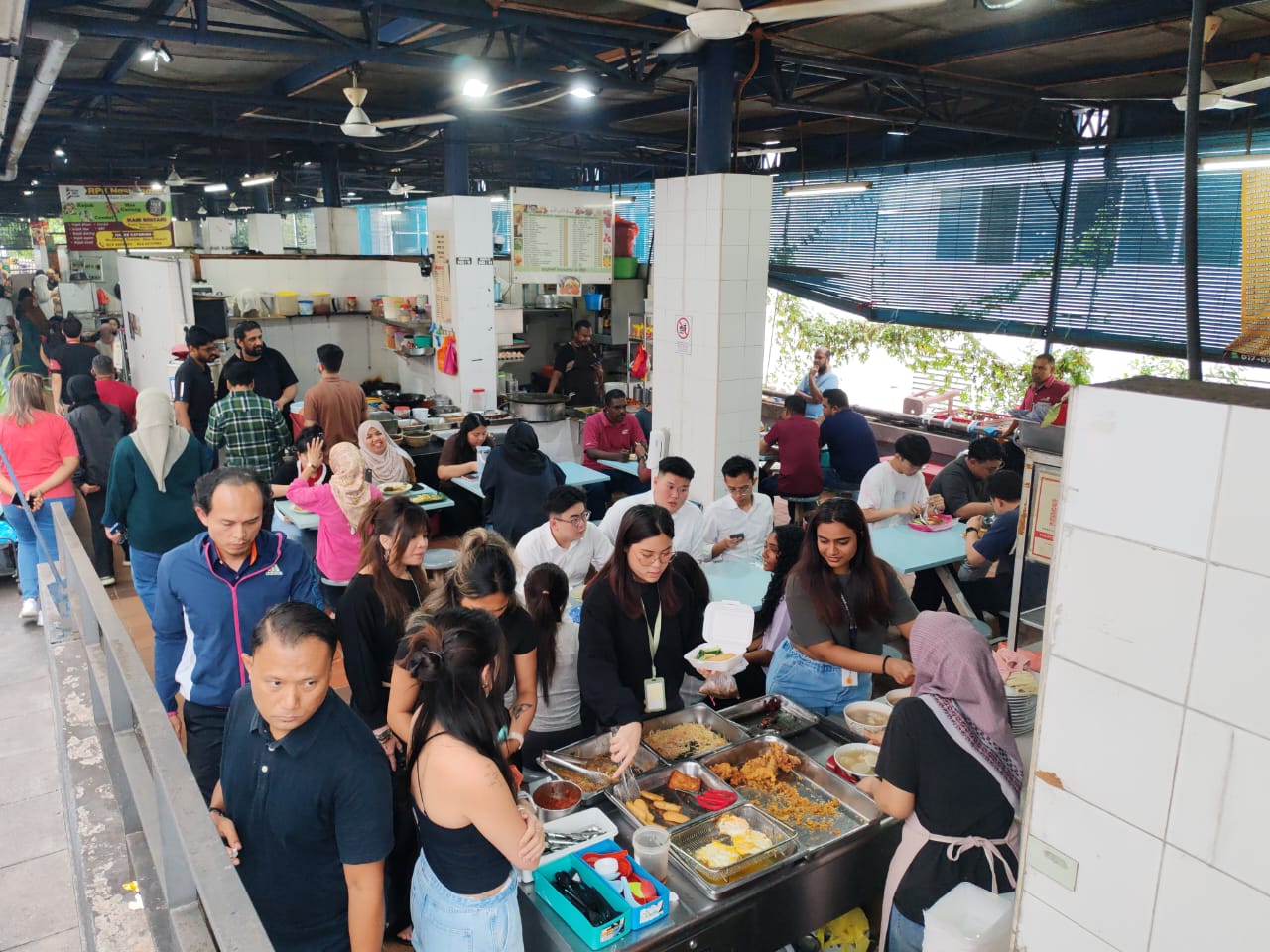
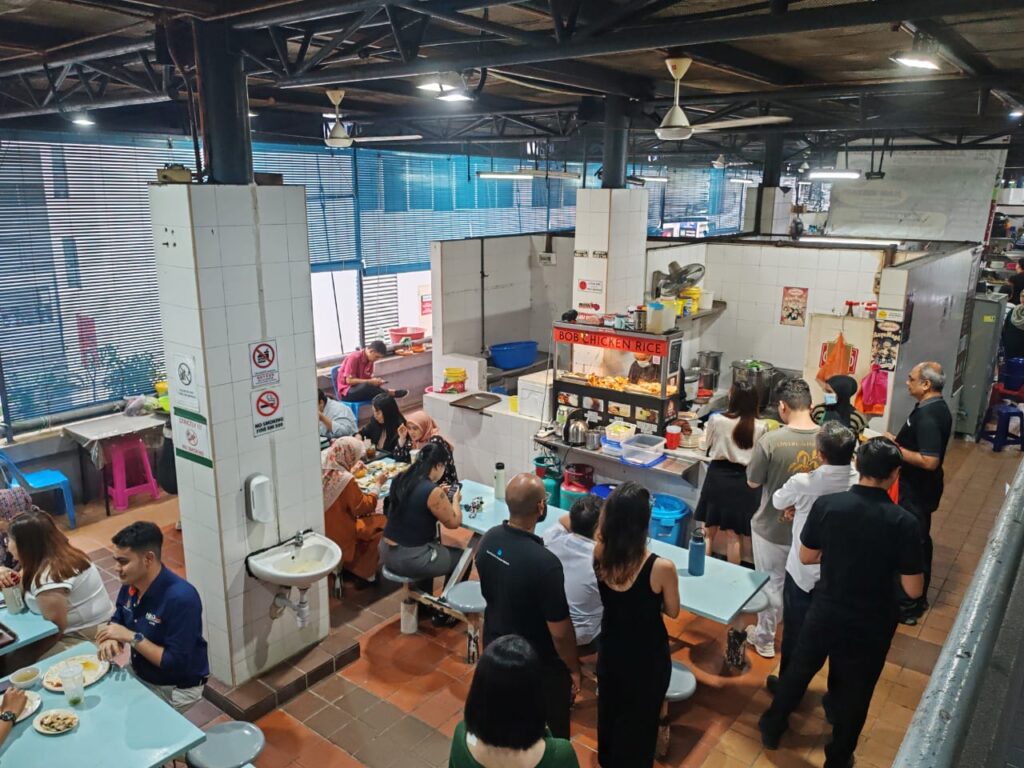
STEP into the only hawker centre serving Semantan’s teeming office belt, tucked in the shadow of the Zurich building and similar glass-and-steel towers and within seconds, the heat hits you like a wall. Not the gentle warmth of a humid Malaysian morning, but the suffocating, damp blast of a sauna. Pots of fried rice sizzle on open flames. Roti canai is slapped onto screaming-hot iron skillets. Bowls of soup and yong tau foo steam openly in narrow, enclosed spaces. Above it all, a ceiling fan turns lazily, a cosmetic gesture at ventilation, more performance than function. Welcome to lunch. Eat with dignity, if you can.
A crisis hidden in plain sight
This is not an isolated complaint. Across Kuala Lumpur, from Semantan to Chow Kit, from Jalan Duta to Bangsar, the urban office worker faces a daily dilemma that no one in power seems to take seriously: the only affordable food option available is often a health hazard disguised as a meal.
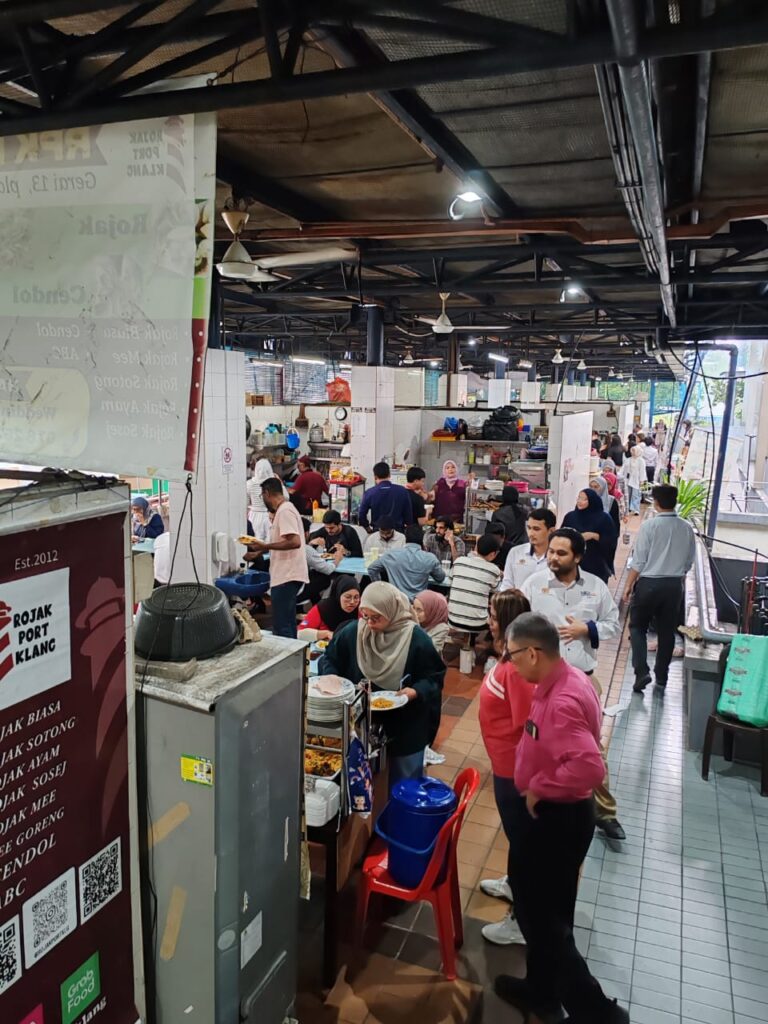
The hawker centre near Semantan is a case study in benign neglect. It is a single, multi-cuisine hub, Chinese, Malay, Mamak and Indian stalls all crammed under one roof, catering to hundreds of office workers daily. The food? Genuinely excellent. Fried rice prepared to order, aromatic noodles tossed with practiced flair, a roti canai that rivals the best in Bangsar. Those who have tasted it keep returning. That, ironically, is part of the problem. Loyalty to flavour has become acceptance of misery.
Poor ventilation is not just a comfort issue; it is a public health crisis in waiting. Research has consistently shown that cooking activities generate significant indoor pollutants: fumes, carbon monoxide, and fine particulate matter that accumulate in spaces without adequate air circulation.
Studies on indoor air quality in Malaysian food settings found that workers in old food outlets record the highest prevalence of Sick Building Syndrome symptoms, reaching as high as 66.7%. Yet the fans remain underpowered. The exhaust systems remain absent. And the sauna serves another round of lunch.
The real cost of eating cheap
Malaysia’s hawker food culture is a point of national pride, rightly celebrated on international food lists and in tourism brochures. But the pride stops at the glossy photographs. Behind the image of steaming char kuey teow and fragrant nasi lemak is a reality that neither DBKL nor the Ministry of Health appears eager to confront: the conditions in which this food is prepared and consumed are, in too many places, fundamentally undignified.
Office workers in Semantan and similar urban corridors are not eating at hawker centres by whimsy or choice. They are there because they cannot afford the restaurants in the towers above them. They are the administrative assistants, secretaries, executives, the junior executives, the security guards, the clerks. They eat from paper plates in conditions that would be unacceptable in any regulated workplace. And they return, not because the conditions are acceptable, but because there is nowhere else to go. This is the real cost of cheap food: it is not just paid in ringgit. It is paid in sweat, in discomfort, and in the quiet indignity of eating a meal while dripping in heat.
What is missing — and who is responsible
Walk into the Semantan hawker centre and take stock of what is not there. There is no adequate exhaust ventilation above cooking stations. Food handlers, their dedication unquestionable, are often seen without aprons. Some men work with unkempt beards unguarded near open food. Utensils are occasionally visible but not always stored in ways that inspire hygiene confidence.
A clean, accessible toilet nearby? An afterthought, if it exists at all.
Research paints a sobering picture. A 2025 study on hawker food safety compliance found that the lowest compliance rates were consistently recorded in the use of protective clothing, aprons, gloves, and hair coverings, which vendors frequently neglected due to cost, inconvenience, and the discomfort of working in hot, poorly ventilated spaces. Poor ventilation thus creates a vicious cycle: the heat discourages hygiene compliance, which compounds the health risks of the very food being served.
The Food Hygiene Regulations 2009 are unambiguous: food handlers must maintain personal hygiene, use protective clothing, keep food-contact surfaces clean, and operate in premises that meet sanitary standards. DBKL’s own Health and Environment Department is mandated explicitly to supervise hygiene in food premises, monitor food quality through inspections, and conduct public health education. The mandate exists. The enforcement, at Semantan and countless locations like it, does not.
DBKL’s health officers: A mandate collecting dust
Let us be direct about what DBKL’s Health Department is supposed to do and what it is not doing.
Under Section 11 of the Food Act, a health officer can order the immediate closure of any premises that fails to meet sanitary requirements and poses a health hazard. The department’s officers are empowered to inspect, compound, educate, and enforce.
What a genuinely proactive Health Department officer should be doing, but too often is not includes:
Conducting unannounced, regular inspections of all licensed hawker centres, not just after complaints or media reports
Verifying ventilation adequacy at every food premises, checking that exhaust fans and air circulation meet minimum standards before and after licensing
Enforcing personal hygiene standards — ensuring food handlers wear aprons, hair coverings, and that male handlers maintain groomed facial hair near food preparation areas
Inspecting food storage and utensil hygiene, ensuring orderly storage and minimised cross-contamination risks
Mandating clean, accessible toilet facilities within reasonable proximity of all food premises, a baseline standard embarrassingly absent at many KL hawker centres
Issuing improvement orders, not just closure orders, guiding operators toward compliance rather than simply punishing them
Collaborating with hawker associations to deliver hygiene training, subsidise protective clothing, and build a culture of compliance
Publishing inspection results publicly, so consumers can make informed choices and operators face reputational pressure to comply
Working with DBKL’s planning department to widen hawker spaces to accommodate proper ventilation infrastructure and adequate dining space
The contrast between mandate and reality is jarring. In Petaling Jaya alone, the city council issued 230 closure orders in a single year after discovering rat droppings, cockroach infestations, and poor washroom hygiene, a 70% increase from the previous year. In KL, DBKL has conducted occasional raids in Wangsa Maju and Jalan Alor. These are reactive measures, responses to visible scandal, not evidence of a systematic, proactive approach to food safety.
Reactive enforcement protects the city’s image. Proactive enforcement protects the public’s health. DBKL must choose the latter.
Give the office worker a meal, and their dignity back
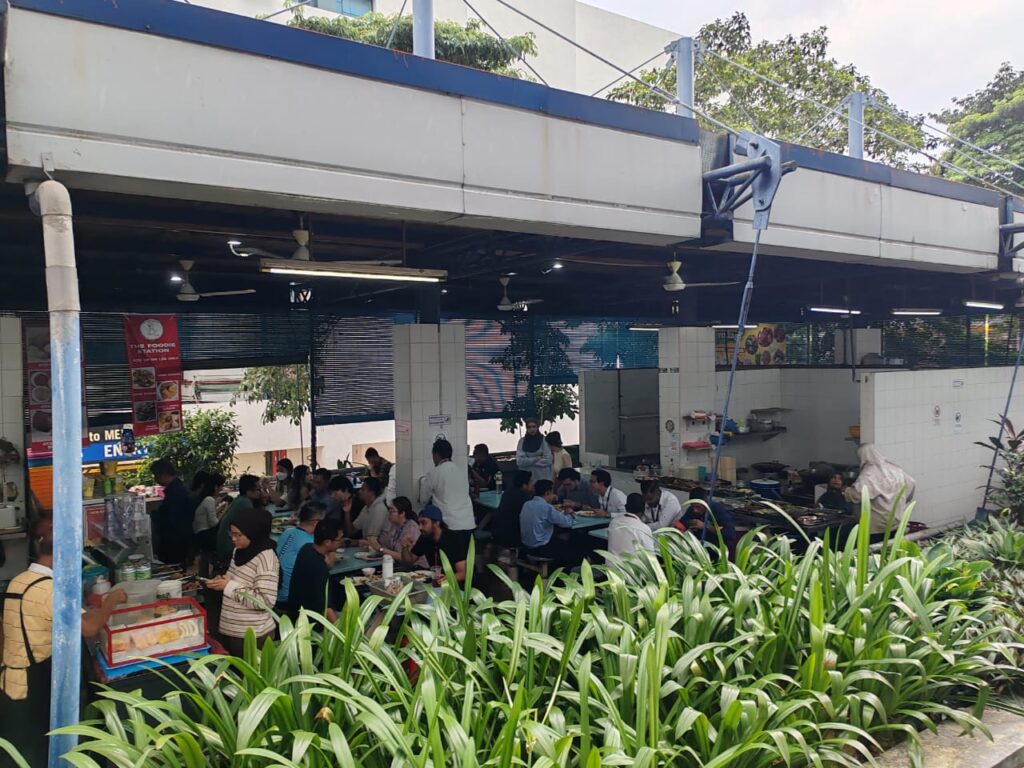
The workers of Semantan and of every office corridor in Kuala Lumpur, deserve better. They are not asking for five-star dining. They are asking for basic dignity: a space that does not suffocate them with cooking fumes, food handlers who take pride in their presentation, a toilet that is clean and accessible, tables that are not in permanent disrepair, and the assurance that the food sustaining them through their working day is prepared under conditions the Health Department has verified as safe.
The hawker centre near Semantan is irreplaceable. It sustains livelihoods. It produces food of genuine quality that keeps people coming back. That is exactly why it deserves the attention of those whose duty it is to ensure it thrives, not merely survives. The food is already excellent. Fix the infrastructure. Enforce the standards. Widen the space. Install proper ventilation. Make the toilets habitable.
A nation that celebrates its food culture on international stages must be willing to ensure that the men and women who cook and eat that food are treated with the same dignity it claims to offer the world.
The sauna must be aired. The hawker centre must be allowed to breathe. Making the eating experience a joy and not a chore. – June 4, 2026
Ravindran Raman Kutty is an award winning PR practitioner