

KUALA LUMPUR – Singapore is currently experiencing a steady increase in Covid-19 infections, reporting 14,200 cases in the week of April 27 to May 3—up from 11,100 cases the previous week.
Despite this rise, authorities in Singapore and Malaysia alike stress that there is no immediate cause for alarm, emphasising that the healthcare systems remain prepared and the circulating variants have not shown greater transmissibility or severity compared to earlier strains.
In a joint statement released on May 13, Singapore’s Ministry of Health (MOH) and the Communicable Diseases Agency (CDA) noted that average daily hospitalisations increased from 102 to 133, but importantly, the average number of Covid-19 patients requiring intensive care unit (ICU) admission fell from three to two.
“The hospitals are currently able to manage the increase in cases,” the statement said.
Singapore’s Health Minister Ong Ye Kung reaffirmed this message on social media recently, reminding the public that periodic waves of infection are expected in the endemic phase of Covid-19—similar to how influenza and dengue are managed.
“The key thing is that our healthcare system is able to manage the increase in cases,” he said.
The variant landscape
The rise in cases is believed to be driven by several factors, including waning immunity among the population. Currently, two main variants—LF.7 and NB.1.8—dominate Singapore’s local Covid-19 landscape.
Both are descendants of the JN.1 lineage, which also forms the basis of the updated vaccines currently in use. These vaccines include those from Pfizer-BioNTech (Comirnaty), Moderna (Spikevax), and Novavax, which have been reformulated to target JN.1 specifically.
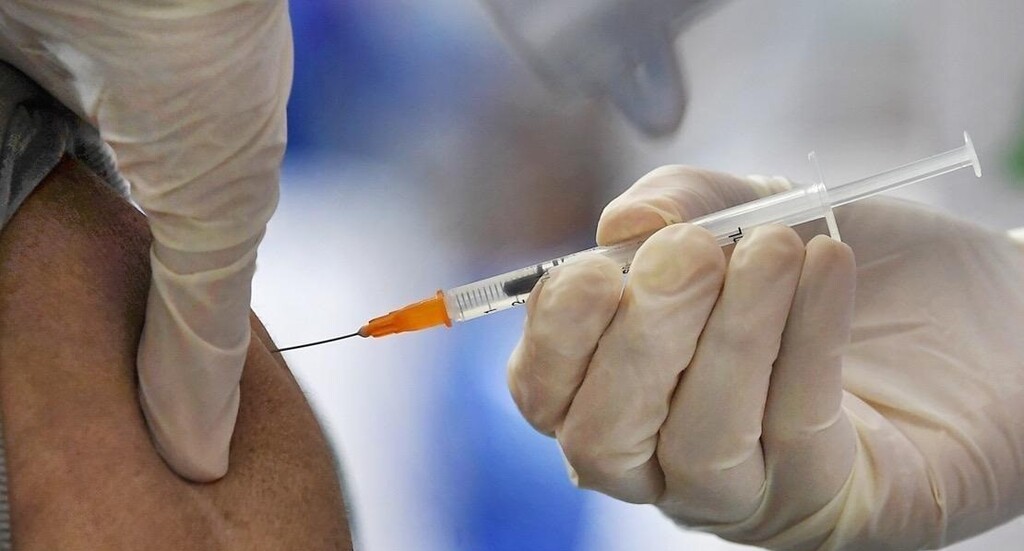
Vaccination remains the cornerstone of protection against severe illness. The MOH and CDA continue to urge high-risk groups—such as seniors aged 60 and above, medically vulnerable individuals, and residents of eldercare facilities—to stay up to date with booster shots, recommended about one year after their previous dose.
Healthcare workers and those living with vulnerable individuals are also encouraged to receive the vaccine. For the general population, vaccinations remain available on a voluntary basis for those aged six months and older.

Malaysia’s cautious outlook
Across the border, Malaysian health authorities are keeping a close watch on Singapore’s situation, alongside recent surges reported in other parts of the region including Hong Kong and Thailand. While Malaysia’s Covid-19 case numbers have remained relatively stable without a significant spike, public health experts urge continued
vigilance.
Prof Dr Malina Osman, epidemiologist at Universiti Putra Malaysia, told Scoop: “While Malaysia’s Covid-19 situation remains relatively stable at the moment, we cannot be complacent. The recent surge in Singapore, as well as increases seen in Hong Kong and Thailand, highlight how quickly the situation can change.
“Given our close regional ties, it’s critical that Malaysia maintains strong surveillance and encourages vulnerable populations to stay current with vaccinations. Personal responsibility and adherence to preventive measures remain essential tools in managing this endemic phase.”
Dr Malina highlighted that waning immunity and seasonal factors could contribute to fluctuations in Covid-19 case numbers.
“It is important that Malaysians, especially vulnerable groups such as the elderly and those with underlying health conditions, remain up to
date with their vaccinations. This is the best defence we have against severe outcomes,” she added.
Vaccination and public health measures
Despite high initial uptake of Covid-19 vaccines in Malaysia, booster shot rates have slowed in recent months. Health officials are considering targeted public awareness campaigns to encourage booster uptake, particularly as the region faces new variant waves.
Dr Malina emphasised that vaccination alone is not sufficient to curb transmission and recommended continued adherence to precautionary measures. These include practising good hand hygiene, avoiding close contact with people when symptomatic, and wearing masks in crowded or enclosed spaces.
“Even though Covid-19 is now endemic, it has not disappeared. Sensible personal and social responsibility is key to protecting ourselves and our communities,” she said.
Regional cooperation and future preparedness
The recent Covid-19 surges across Southeast Asia serve as a reminder that the pandemic remains a regional challenge requiring coordinated responses. Singapore’s ability to manage the current wave without overwhelming hospitals offers a hopeful example of how healthcare systems can adapt.
Meanwhile, Malaysia continues to strengthen its surveillance and vaccination infrastructure to respond swiftly to any changes in the pandemic’s trajectory. Cross-border information sharing and transparency are also critical to early detection and containment of emerging variants.
Dr Malina expressed optimism that with continued public cooperation and robust health policies, Malaysia and its neighbours can navigate the endemic phase while minimising disruptions to daily life and the economy. – May 24, 2025